


How to find suppliers of precision custom bevel gears
It can be hard to find dependable sources for precise Custom Bevel Gears, especially when the performance of your factory machinery, mining equipment, or aerospace systems depends on it. Custom Bevel Gears are unique transmission parts that are made to move power between shafts that cross each other, usually at a 90-degree angle, while meeting exact requirements for tooth shape, material makeup, and tight tolerances. Unlike off-the-shelf options, these gears are custom made to fit specific space requirements, handle heavy loads, and work quietly and efficiently in tough conditions. To find the right manufacturer, you need to do a lot of study, communicate clearly, and think strategically about how to make sure that the quality and dependability of the product meet your business goals.
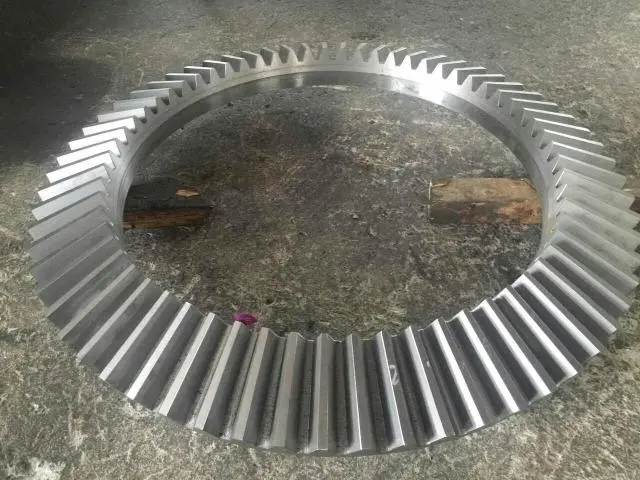
Understanding Precision Custom Bevel Gears and Their Unique Requirements
Precision bevel gears work by meshing cylindrical surfaces that change the direction of spinning at certain angles. This is why they are so important for small mechanical transmission systems. Customization helps with problems that regular gears can't, like fitting into small spaces in aircraft actuators or dealing with huge shock loads in mine crushers.
Advantages Over Standard Bevel Gears
Customized solutions have many advantages that standard goods just can't match. Customized tooth shapes improve contact patterns under load, making up for bending in the case and ensuring a straight fit. This means that the transmission efficiency goes up, often hitting 95–98%, and noise and shaking go down a lot. Choosing the right material is very important. High-grade alloy steels like AISI 8620, SAE 4340, or 42CrMo are very durable, and heat processes like quenching and carburizing make the surface hard (58–62 HRC) to fight wear without weakening the core toughness.
Main Types and Material Considerations
There are three main types of business uses. Straight bevel gears have easier tooth shape and lower production costs, but they make more noise when all of their teeth touch at once. Spiral bevel gears have bent teeth that connect gradually. This makes them easier to use and can hold more weight, making them perfect for high-speed situations. Hypoid gears let you place the shafts at an angle, which lets you make small designs with higher torque densities. The choice of material has a direct effect on how long something works. For example, 20CrMnTi and 18CrNiMo7 work best in high-stress situations, while 40CrNiMo is the best choice for complex shapes because it is both strong and easy to shape.
Manufacturing Process and Quality Control
To make blanks, the production process starts with forging or precision cutting. Next, rough turning is used to set the outer sizes and bore dimensions. The first tooth shape is made by gear cutting, which can be done by hobbing, grinding, or shaping. Some heat treatments, like cooling, tempering, and induction hardening, make the steel stronger, but they also change its shape on purpose. Thermal distortion can be fixed by precision grinding or hard skiving, which makes sure that tooth shapes meet ISO 8-9 grade limits. Before shipping, strict checking procedures, such as tooth contact analysis and hardness verification, make sure that the dimensions are correct and the structure is solid.
Criteria for Selecting Precision Custom Bevel Gear Suppliers
To find the best manufacturing partner, you need to make sure that the supplier's skills match your unique buying goals and application needs. Figuring out what makes a good seller different from a great one can save you a lot of time, money, and trouble in the long run.
Defining Your Gear Specifications and Requirements
Start by writing down exact technical details, such as the number of teeth, the module range (0.5–50), the pressure angles (14.5° or 20°), and the load that you expect it to hold. Make sure you know if you need Gleason or Klingelnberg tooth shapes for your purpose. These two systems have very different ways of cutting and making contact. For low-quantity prototypes, manufacturers need to be flexible and ready to take orders for a single item. For high-volume production, manufacturers need to be able to expand their capacity and keep wait times steady at 35 to 60 days.
Core Evaluation Metrics for Supplier Assessment
The ability to hold precise tolerances is what sets industry stars apart from average sellers for Custom Bevel Gear production. Look for companies that use high-tech grinding tools to meet ISO 1328 or AGMA Q10+ quality standards for Custom Bevel Gear. Custom Bevel Gear flexibility shows if a provider can work with angles that aren't standard, use special materials, or do reverse engineering from old plans. How well they can grow with your business without losing delivery efficiency depends on how much they can produce for Custom Bevel Gear. Prices must strike a mix between quality and cost for Custom Bevel Gear. Quotes that are too low often mean that the materials aren't good quality or that the heat treatment wasn't done right for Custom Bevel Gear. Figuring out when customization is worth it and when stock gears will do helps buying budgets work better while making sure performance standards are met for Custom Bevel Gear.
How to Research and Identify Top Custom Bevel Gear Manufacturers?
To find reliable manufacturers, you need to do a lot of study that uses both digital and traditional industry information. There are both well-known Western suppliers and new global rivals who are giving competitive prices and higher quality standards.
Leveraging B2B Marketplaces and Industry Networks
Searching Alibaba, Made-in-China, and Global Sources for dependable Custom Bevel Gear suppliers is common. These marketplaces let buyers instantly compare manufacturers by certifications, manufacturing capacity, materials, and user reviews. Supplier verification—checking ISO compliance, machining skills, and export experience—adds value. Industry networks including mechanical engineering groups, trade fairs, and procurement forums may provide more reliable, experienced advice. Many established manufacturers, like YIZHI MACHINERY, showcase their precision bevel gear solutions and customisation skills in these ecosystems. Combining online platform research with offline industry ties improves sourcing choices and decreases procurement risks.
Verifying Credentials and Certifications
Certifications provide tangible evidence of manufacturing capability. ISO 9001 confirms quality management systems but doesn't prove gear-specific expertise. Verify compliance with ISO 1328 governing gear precision standards. Third-party audits by Bureau Veritas or SGS add credibility by ensuring documented process adherence and calibrated measurement equipment. AGMA membership demonstrates commitment to industry best practices and continuing professional education.
Evaluating Reputation Through References and Case Studies
Customer references reveal actual performance beyond supplier claims. Request references from similar industries; aerospace suppliers understand aviation requirements while mining-focused manufacturers handle harsh conditions. Case studies demonstrating successful problem resolution like non-standard shaft angles show technical depth. Direct conversations with current clients reveal communication responsiveness, problem-solving speed, and continuous improvement collaboration readiness. References provide practical performance insights.
Preparing Comprehensive RFQs
Effective requests for quotations (RFQs) let you compare suppliers on the same level. Include full technical drawings or precise specs that describe the tooth shape, material grades, heat treatment needs, and expected surface finish. Give details about the minimum order amount, wait times, and shipping terms. Ask about the guarantee, the availability of after-sales help, and the ability to make a prototype before going into full production. Ask about samples. Reliable makers will usually give you initial samples to make sure everything works right, but the terms can vary in terms of cost and wait time.
Best Practices for Engaging with Custom Bevel Gear Suppliers
Good partnerships with suppliers start with clear, detailed conversation and grow through mutual respect and goals that are the same for both parties. Setting standards and skills early on is very important during the engagement phase because it sets the tone for everything that comes after.
Initiating Meaningful Technical Dialogue
Before the first interaction for Custom Bevel Gear procurement, make sure you have all the basic information you need. Include more information than just basic images about how the Custom Bevel Gear will be used, such as the expected torque ranges, rotational speeds, and any environmental factors like high temperatures or exposure to corrosives that might affect the Custom Bevel Gear. Also, be sure to include any fitting limitations for the Custom Bevel Gear. This lets providers suggest the best choices for Custom Bevel Gear materials and ways to make things. Talk to the maker about their best working methods, such as cutting, hobbing, milling, or grinding for Custom Bevel Gear, to find out if their equipment meets your precise needs. Suppliers can suggest cost-effective options for Custom Bevel Gear without sacrificing important performance factors when budget limits and timeline flexibility are made clear.
Evaluating Samples and Prototypes
Risk is greatly reduced when real samples are requested before big orders are made. Check the quality of the surface finish, look at the tooth shapes with a coordinate measuring machine if one is available, and make sure the measurements are correct compared to the specs. Functional testing in real-world situations shows performance traits that aren't shown in the specs, like noise levels, temperature rise during long-term use, and shaking patterns. Clear terms should be negotiated for the production of prototypes, such as prices, timelines, and safeguards for intellectual property. Good providers see making samples as an investment in long-term relationships rather than a way to make quick money, and they often offer good terms to show what they can do.
Negotiation Strategies Balancing Multiple Factors
When negotiating prices, you should never give up on quality or dependability. Talk about the total cost of ownership instead of just the unit price. This means taking into account things like the expected service life, the amount of upkeep that needs to be done, and the risk of downtime due to early failure. Making large volume agreements can lead to big savings, but flexibility terms that protect against changes in demand are also useful. To meet delivery dates, manufacturers need to be honest about how hard their products are to make. For example, rush orders may cost more, while normal 35–60 day lead times give manufacturers time to do the right heat treatment processes and check the quality. Collaboration leads to benefits beyond just transactions, like giving priority to capacity sharing during times of high demand and being ready to make design changes as projects change.
Ensuring Long-Term Success with Your Custom Bevel Gear Supplier
Sustainable partnerships provide security, access to new ideas, and flexible support as operating needs change, giving value that lasts far beyond the original transactions. For these relationships to grow, both people have to put in some work.
Building Trust Through Consistent Communication
Being honest with your suppliers for Custom Bevel Gear production is the key to building trusting partnerships. Share production forecasts for Custom Bevel Gear to help makers plan their output and buy raw materials, which cuts down on wait times and makes costs more efficient. Give comments on the Custom Bevel Gear that has been delivered, including both praise and helpful advice about any problems. Regular performance reviews that talk about quality measures, on-time delivery, and responsive contact for Custom Bevel Gear create chances to keep getting better. Suppliers who want to work with you spend time and money to learn about your Custom Bevel Gear business cycles, the latest technological developments in your field, and new problems that need new answers.
Collaborating on Innovation and Process Improvements
Leading makers don't just provide parts; they also offer technical knowledge that makes product designs better. Get manufacturers involved early in the development process to use their understanding of how to make the product, how to cut costs, and new material technologies. Talking about ways to make the process better could lead to design changes that make production easier without lowering performance and increase efficiency. Some suppliers do research and development to look into new treatments like isotropic superfinishing or specialized finishes that make things more resistant to rust. If these are used early on, they can give companies a competitive edge.
Maintenance Support and Warranty Considerations
Comprehensive guarantee policies show that the source trusts the quality of the product. Look for coverage that lasts at least a year and covers things like material flaws, mistakes made during production, and early wear and tear in normal use. Make it clear what "normal" function means and make sure everyone knows the limits of the load and the weather conditions. Production interruptions are kept to a minimum by ongoing repair assistance that includes troubleshooting help and the availability of new parts. When problems come up quickly, responsive customer service and expert staff who are available during business hours, even if they work different time zones, are very helpful.
Strategic Planning for Scalability and Bulk Orders
When planning for growth, it's important to know how provider capacity limits and lead times change over time. Talk about the highest levels of creation and wait times during busy times. Look into the options for consignment inventory or planned releases that would make storing easier while still making sure that parts are available. For foreign suppliers, logistics optimization is very important. Combining packages lowers the cost of freight per unit, and custom packing with shock-absorbing liners and wooden boxes keeps delicate surfaces safe during transit. Real-time tracking services let you see what's going on at every step of the supply chain, so you can plan ahead and keep track of shipping times and product levels.
Conclusion
When done in a planned way, finding the right precision Custom Bevel Gear provider can go from being a difficult task to a strategic benefit. Access to high-quality parts that meet exact specs is made possible by understanding technical needs, evaluating suppliers based on clear criteria, and forming partnerships where people can work together. The money spent on thorough study and building relationships pays off in the form of reliable supply lines, new ways to deal with new problems, and top-notch operations in aerospace, mining, and industrial machines.
FAQ
1. What advantages do customized bevel gears offer over standard options?
Customization lets you get specs that are exactly right for your application, which is something that off-the-shelf goods can't do. Some of the benefits are choosing the right material for the working environment, making sure the tooth shape is optimized for specific load patterns, and making sure the dimensions are exact enough to fit in small spaces. Performance improvements include being able to hold more weight, making less noise and shaking, and making the product last longer by using advanced heat processes.
2. What lead times should I expect for precision bevel gear manufacturing?
It usually takes between 35 and 60 days to make something, which includes casting, machining, heat treatment processes, and precise grinding. Timelines may be a little longer if the geometry is complicated or the materials are unique. Lead times can be cut down to 4 to 5 weeks with expedited services, but access depends on how ready the tools are and how the production queue is doing. Making a reasonable schedule depends on being clear about goals during the quotation process.
3. Which quality certifications validate supplier credibility?
The ISO 9001 certification proves that quality management systems are in place, and the ISO 1328 certification talks about standards for gear accuracy. Being a member of AGMA and following the 2000-A88 standards show that you are committed to the best practices in your business. Third-party audits by well-known companies like Bureau Veritas or SGS give you more confidence in the factory's skills and process controls.
Partner with YIZHI MACHINERY for Premium Custom Bevel Gear Solutions
Precision-engineered Custom Bevel Gears are delivered by YIZHI MACHINERY, which has been in business for 15 years and serves the mining, aircraft, and industrial machinery industries worldwide. Our production plant is ISO-compliant and has modern CNC gear machining centers, automated grinding equipment, and full inspection capabilities that guarantee ISO 8–9 grade accuracy. We are experts in a wide range of materials, such as 20CrMnTi, SAE 4340, and AISI 8620. We also know how to treat them with heat in ways like cooling, carburizing, and induction hardening. Fast 35–60 day lead times and clear real-time tracking throughout production and shipping make flexible customization possible for everything from single-item trials to large orders. Our full-service offering includes design advice, real-time reports on work, quality checks, and a one-year warranty. Contact us at sales@yizmachinery.com right away to talk to our engineering team about your unique needs and find out why top manufacturers trust us as their Custom Bevel Gear supplier.
References
1. American Gear Manufacturers Association. "AGMA 2000-A88: Gear Classification and Inspection Handbook." 1988.
2. Dudley, Darle W. "Handbook of Practical Gear Design and Manufacture." CRC Press, 2012.
3. ISO 1328-1:2013. "Cylindrical Gears - ISO System of Flank Tolerance Classification."
4. Klingelnberg GmbH. "Bevel Gear Technology: Theory and Application." Engineering Publications, 2016.
5. Townsend, Dennis P. "Dudley's Gear Handbook: The Design, Manufacture, and Application of Gears." McGraw-Hill Education, 1991.
6. Radzevich, Stephen P. "Theory of Gearing: Kinematics, Geometry, and Synthesis." CRC Press, 2018.

USER EVALUATE
Here is the customer's evaluation of us