


Helical Gear Gearbox OEM/ODM Solutions for Custom Needs
When accuracy, longevity, and smooth power transfer are needed in industrial settings, Helical Gear Gearbox OEM/ODM solutions provide custom-engineered systems that are made to solve specific operational problems. These high-tech transmission devices have angled teeth that connect gradually, lowering vibration and noise while increasing load capacity in heavy machinery, mining conveyors, and aircraft actuators. Custom manufacturing partnerships let procurement teams specify exact torque needs, changes to fit the environment, and size limits. This makes sure that the parts fit seamlessly into existing production lines and meet ISO quality standards and performance standards specific to the industry.
Understanding Helical Gear Gearboxes: Design, Function & Advantages
When it comes to how industrial equipment transfers spinning force through mechanical systems, Helical Gear Gearbox technology changes everything.
How Helical Teeth Create Superior Performance
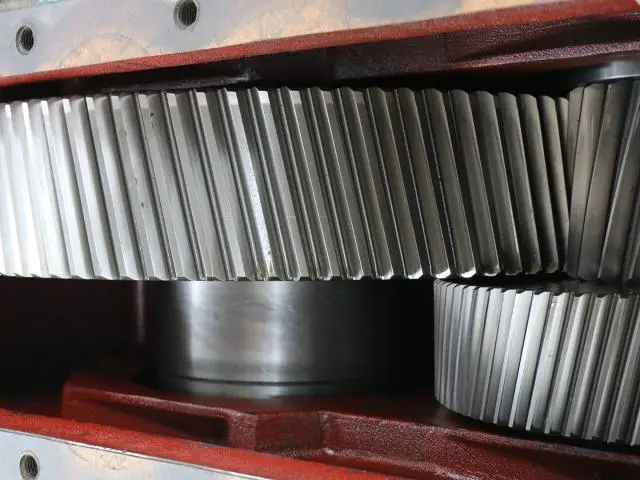
In helical systems, the inclined tooth design makes slow contact across multiple teeth at the same time. This is different from regular spur setups, where teeth connect suddenly. The main difference makes three measurable benefits: it lowers operational noise by 10 to 15 decibels compared to similar spur units; it dampens vibrations to protect connected parts from fatigue stress; and it spreads torque over a larger contact surface, which makes parts last longer. The helix angle, which is usually between 15° and 30° in industrial settings, has a direct effect on these properties. Steeper angles make the process quieter but create more axial thrust, which means that the right bearings need to be chosen.
Material Science Behind High-Performance Gearboxes
We use high-tech alloy steels like 20CrMnTi, 42CrMo, and SAE4340. These steels are precision-forged before they are machined. Material choice has a direct effect on how much weight it can hold and how well it resists wear. The carburizing heat process makes the surface as hard as 58–62 HRC while keeping the core tough so it can handle shock loads in heavy-duty situations. This mix keeps teeth from breaking when they are suddenly overloaded, which can happen in mining breakers or flight control systems in spacecraft. Grinding the gearbox's teeth to ISO 5-6 precision grades makes sure that their shape stays the same, which keeps the efficiency rates between 95 and 98 percent per reduction stage for the whole life of the gearbox.
Configuration Options for Diverse Industrial Needs
When high efficiency and small installation space are needed, parallel shaft setups are perfect. This makes them perfect for conveyor drive systems and industrial pump units. Right-angle designs change the direction of power flow by 90 degrees. This helps material handling equipment that needs to change power from vertical to horizontal because of limited space. Cross-axis designs can handle complicated mounting needs in automatic production rooms and robotic systems. Each design keeps the basic benefit of helical teeth while adapting to different installation shapes seen in industrial machinery, mining equipment, and aircraft control systems.
OEM/ODM Custom Solutions: Tailoring Helical Gear Gearboxes for Your Industrial Needs
Custom production partnerships take basic ideas for the Helical Gear Gearbox and turn them into well-thought-out solutions that meet specific practical needs.
The Custom Design Workflow at YIZHI MACHINERY
Our 15 years of production experience have helped us create a structured way to make custom gearboxes. The process starts with in-depth talks about what the customer needs. Then, our engineering team looks at things like torque loads, speed ratios, mounting interfaces, and weather factors like high or low temperatures, corrosive or explosive atmospheres, and so on. These specs are turned into 3D designs by CAD modeling, which the client reviews before the sample is made. This collaborative method keeps design changes from being too expensive and makes sure that the end product works well with other tools. Depending on the complexity and volume, production scheduling usually takes 35 to 60 days. Milestone reports are given during the manufacturing stages.
Advanced Manufacturing Processes Ensuring Precision
We use high-precision CNC gear machining centers that can make modules ranging from 0.5 to 50 inches in diameter. These modules can fit everything from tiny aerospace controllers to huge mining gearboxes with diameters of more than 2 meters. The first tooth shapes are made by hobbling and milling. Next, the teeth are ground to ISO 5–6 precision levels, which are needed for high-speed uses. Fully automated gear grinding tools keep tolerances within micrometers, which gets rid of the cumulative pitch mistakes that wear out gears too quickly. Smart heat treatment lines precisely control the heating, cooling, and tempering processes, making sure that all of the parts in a production batch have the same case thicknesses and hardness profiles.
Certification and Quality Assurance Standards
Our factory makes special gearboxes, and all of them go through strict testing procedures that are in line with ISO 9001 quality management systems. High-precision inspection tools compare the shape of the teeth to the design specs. They measure things like profile variation, lead accuracy, and surface finish. Load testing mimics real-world conditions to make sure the power capacity and heat stability are correct before shipping. We keep a lot of records, like material approvals, records of heat treatment, and dimensional inspection reports, that help meet the standards for traceability in aircraft and other important industry settings. This methodical approach to quality has led to long-term relationships with well-known mechanical engineering companies on three countries.
Comparing Helical Gear Gearboxes with Other Gearbox Types for Smart Procurement
To make smart decisions about what to buy, you need to know how different Helical Gear Gearbox transmission systems work in key operating areas.
Performance Comparison Across Gearbox Technologies
Helical designs work best in situations where smooth operation at moderate to high speeds is needed. They are also more efficient than worm gear systems, which usually only get 50–75% efficiency because of rolling contact. Planetary designs have small areas and high reduction ratios, but they are harder to make and cost more. For low-speed tasks, spur gears are simple and inexpensive, but they make too much noise and shaking in high-speed industrial settings. While bevel gears are good at redirecting power flow, they make things more complicated when more than one reduction stage is needed. Helical systems are the best way to get the best mix between efficiency, longevity, and maintenance intervals for mining conveyors that work all the time with changing loads.
Evaluating Brand Reputation Versus Customization Capability
Established global makers have large product catalogs and a history of trustworthiness, which makes them good for standard uses where off-the-shelf solutions meet practical needs. New OEM/ODM companies like YIZHI MACHINERY offer flexible customization options and cheap price that helps large-scale project procurement budgets. We can make solutions for non-standard mounting interfaces, special material needs, and application-specific changes that stock goods can't handle because we have technical barriers in precision grinding and full customization options. This difference is very important when gears need to be added to custom-made equipment or old parts need to be replaced because the original makers no longer support older systems.
2026 Cost-Performance Analysis for Industrial Buyers
Prices on the market today range from $800 to $15,000 per unit, based on the torque grade, the level of customization, and the number of orders. Standard stock units may have a lower starting cost, but they may need extra parts or changes that make the total cost of installation higher. Custom OEM/ODM solutions cost a bit more than normal alternatives—usually 15 to 25 percent more—but they don't have to be adapted, so they work better in certain situations. YIZHI MACHINERY offers bulk discounts that close this gap by a large amount, with price systems that favor orders of more than 10 units. Total cost of ownership research over 10-year operational periods repeatedly shows that custom solutions lower lifecycle costs by reducing the number of repair visits, making parts last longer, and reducing the number of times they need to be fixed.
Maintenance and Longevity: Maximizing the Life and Efficiency of Helical Gear Gearboxes
In industrial settings, proactive repair plans have a direct effect on how reliably Helical Gear Gearbox operations work and how long equipment lasts.
Routine Lubrication and Inspection Protocols
How gearboxes are lubricated affects their performance and lifespan. Mineral lubricants must be replaced every 2,500 hours, whereas synthetic ones can last 10,000 under typical conditions. Oil research tools detect contaminants and additive loss before wear. Visual inspections during planned maintenance reveal shaft seal oil leaks, odd noise patterns, and high running temperatures that indicate overloaded or underlubricated bearings. We recommend installing vibration monitors on critical gearboxes for continuous monitoring. This enables you plan preventative maintenance to avert catastrophic breakdowns in production environments when downtime costs over $10,000 per hour.
Troubleshooting Common Performance Issues
The improper lubricant viscosity for the working temperature can reduce efficiency. Churning losses and border lubrication wear can result from thick or thin oils or films. Noise frequently indicates worn tooth surfaces due to improper lubrication, contamination, or misalignment between moving and driven equipment. Overheating can result from bearing preload issues, high ambient temperatures, or insufficient heat escape in sealed settings. Our technical support staff employs 15 years of troubleshooting knowledge across sectors to quickly restore performance. Online diagnostics and on-site warranty service are available.
Case Study: Mining Application Durability Improvements
Waste conveyor systems of a large western US mine broke gears frequently. They needed replacement every 18 months, disrupting manufacturing plans. Analysis indicated that normal catalog units didn't have adequate shaft stiffness to sustain belt stress's high radial stresses, and the housings' design let abrasive dust particles into the lubricating systems, making them less efficient. We made custom housings with superior sealing and too-large output shafts. The shafts were induction-hardened 42CrMo alloy steel. When applied to inner walls, improved coatings prevented water-induced corrosion. The modified devices have worked continuously for almost four years without issue. Application-specific engineering triples operating life and avoids unscheduled downtime.
How to Procure the Right Helical Gear Gearbox: A Strategic Buyer's Guide
Systematic review of technical needs and Helical Gear Gearbox supplier skills is key to successful procurement.
Defining Application-Specific Requirements
Start specifying input power by putting down motor horsepower, working speed, and duty cycle patterns. Determine the torque needed while considering the changing load's safety criteria. Mining uses require 2.0 to 2.5 service factors, but steady industry activities may only need 1.5. Take precise dimensions of the fitting space, including shaft heights, mounting bolt patterns, and any space constraints that effect gearbox size. Environmental factors like temperature, humidity, explosive atmospheres, and wash-down needs effect housing materials, seals, and surface treatments. This detailed definition of requirements prevents costly design errors that delay projects or necessitate field revisions during installation.
Choosing Between Standard and Custom Solutions
Standard catalog gearboxes are appropriate when working factors closely meet the manufacturer's criteria and receiving one quickly is important due to low wait times. Custom OEM/ODM solutions can help when mounting connections need to be altered, torque values aren't accessible from normal vendors, or weather conditions require unique materials and sealing systems. We can handle low minimum order numbers by creating a single unit for prototype development or emergency replacements without catalog options. Aircraft applications that require bespoke mounting arrangements or mining operations that need to use obsolete parts benefit from this versatility.
Supplier Evaluation and Quality Verification
Suppliers must maintain ISO 9001 certification and demonstrate quality control procedures with auditable paperwork. Request material approvals for alloy composition and heat treatment records for hardness. Check the after-sales support system for expert advice, supplementary parts, and warranty terms. YIZHI MACHINERY has a one-year warranty and fast repair. Check case studies or client samples from similar firms to discover how much expertise the provider has with similar activities. Logistics skills should be examined too. Our specialized packing with shock-absorbing padding and hardwood pallets reduces shipping damage to less than 0.1%, while our sea, air, and China-Europe train services provide flexible delivery times.
Managing Bulk Orders and Global Logistics
Consolidated shipping plans reduce unit costs and simplify customs clearance for large-scale buying projects. We ensure that the production schedule matches project timelines and that everyone is informed during manufacturing, quality checking, and packing. Push notifications are sent at important times in real-time order tracking, from plant loading to package delivery. This helps logistics managers be proactive. Our full-cycle visual tracking technology clarifies just-in-time inventories. This reduces multi-phase building project storage space. Negotiating framework deals for routine demands locks in good costs and allocates production capacity amid peak demand.
Conclusion
Helical Gear Gearbox technology improves efficiency, noise, and load capacity in industrial tools, mining, and airplanes. specialized OEM/ODM solutions handle operating problems with specialized materials, accurate production, and application-specific engineering. Standard catalog goods can't do these. Strategic procurement requires comparing technical requirements to practical demands, considering the seller's skills, such as quality certifications and customizing experience, and considering the entire cost of ownership, which goes beyond the initial purchase price. YIZHI MACHINERY has 15 years of manufacturing experience using high-tech production tools, tight quality standards, and flexible customization services to assist consumers achieve their goals for single test units to large-scale industrial projects.
Frequently Asked Questions
1. What factors most significantly influence gearbox operational lifespan?
Proper lubrication affects 40% of lifespan. Choosing the correct thickness and renewing it regularly can slow deterioration. How heavy something is compared to its capacity determines stress. Running anything at near-maximum loads reduces its lifespan compared to light loads. When materials or sealing are improper, extreme temperatures, water exposure, and contaminant penetration accelerate degradation. Upkeep methods' lifespan depends on the original manufacturing's heat treatment uniformity and tooth grinding precision.
2. How do custom helical gearboxes improve industrial machinery performance?
For maximum efficiency, customized gear ratios match motor attributes to load needs to optimize machine speeds. Custom mounting setups exclude connector mounts and coupling kits, which can complicate alignment and increase risk. Application-specific materials can withstand corrosive environments, harsh temperatures, and strong shock loads that would ruin a regular unit. Precise dimensions simplify installation and equipment upgrades.
3. Which certifications should buyers verify when engaging OEM/ODM suppliers?
ISO 9001 certification indicates that quality management systems are well-established and have defined problem-solving procedures. API oil and gas certifications and AS9100 aviation certifications show a corporation can create specialized items. Steel certifications prove the alloys' compositions satisfy the criteria. Heat treatment records with time-temperature curves show that the metal was adequately prepared for hardness and endurance.
Partner with YIZHI MACHINERY for Custom Helical Gear Solutions
Industrial buyers looking for dependable helical gear gearbox suppliers can benefit from YIZHI MACHINERY's full OEM/ODM services, which include analyzing needs and delivering goods all over the world. For use in industrial machinery, mining equipment, and aircraft, our precise production equipment makes custom gears that meet exact torque requirements, mounting measurements, and environmental requirements. Quality methods that are in line with ISO standards make sure that production is uniform across all order sizes, from single prototypes to large purchases. We offer full solutions with a one-year guarantee and quick technical support. Our production times range from 35 to 60 days, our prices are reasonable, and we have logistics experience that includes damage-prevention packaging and real-time shipment tracking. Email our engineering team at sales@yizmachinery.com to talk about your unique application needs and get thorough quotes that fit your project timelines and performance goals.
References
1. Townsend, D. P. (1991). Dudley's Gear Handbook: The Design, Manufacture, and Application of Gears. McGraw-Hill Professional.
2. Radzevich, S. P. (2012). Dudley's Handbook of Practical Gear Design and Manufacture. CRC Press.
3. International Organization for Standardization (2006). ISO 6336: Calculation of Load Capacity of Spur and Helical Gears.
4. American Gear Manufacturers Association (2004). AGMA 2001-D04: Fundamental Rating Factors and Calculation Methods for Involute Spur and Helical Gear Teeth.
5. Lynwander, P. (1983). Gear Drive Systems: Design and Application. Marcel Dekker Inc.
6. Maitra, G. M. (1994). Handbook of Gear Design. Tata McGraw-Hill Education.

USER EVALUATE
Here is the customer's evaluation of us