


Why Spiral Miter Gear Excels in 90 Degree Transmission Systems
Due to their helical tooth shape, Spiral Miter Gears outperform straight-tooth gears in terms of power transfer. By lowering noise levels, minimizing vibration, and supporting higher load limits, these precision parts solve important operating problems in aircraft, industrial machinery, and mining equipment. Their bent tooth shapes make sure that they stay in contact while they're turning, which makes them essential for places where dependability and quiet operation are essential.
Introduction
Right-angle power transfer has its own technical problems that need special answers. When two shafts meet at a right angle, the transmission system has to quickly and effectively reroute the rotational force while keeping the speed constant and the process running smoothly. This condition is especially important for industrial gear, mining operations, and aerospace systems where a broken part can cause expensive downtime and safety issues.
During our 15 years at YIZHI MACHINERY, we've seen that procurement workers are under more and more pressure to find transmission parts that are good in terms of performance, reliability, and cost-effectiveness. Engineers and buying managers need gearing options that can handle heavy loads and work quietly in small areas. This guide tells you everything you need to know about why Spiral Miter Gears are the best choice for these tough jobs. It gives you useful information that you can use to make smart purchasing decisions and improve system performance in a wide range of industrial settings.
Understanding Spiral Miter Gears and Their Design Principles
The Fundamental Architecture of Curved-Tooth Power Transmission
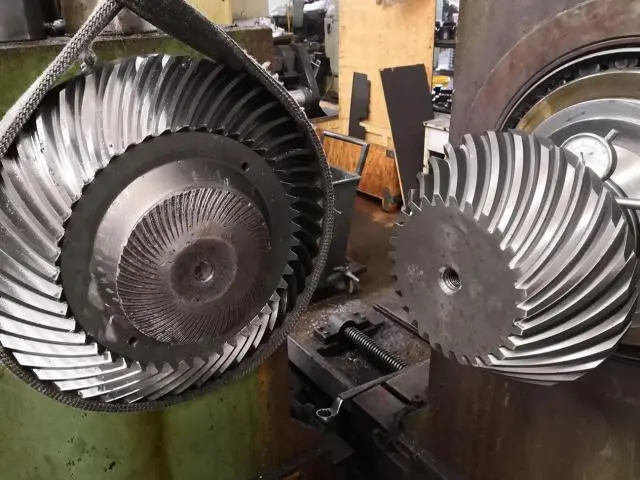
The helical tooth structure of Spiral Miter Gears sets them apart from straight bevel designs, which produce an immediate engagement pattern. This tooth shape lets progressive meshing start at one end and go across the tooth face, making the contact stresses more evenly distributed. When the helix angle is 35 degrees and the pressure angle is 20 degrees, the load is spread out most evenly, and the mechanical efficiency stays between 95 and 98% as long as the bearings are properly oiled.
Material Selection and Its Impact on Operational Longevity
The materials that YIZHI MACHINERY uses to make these parts have a direct effect on how much weight they can hold and how long they will last. By using a special heat process called carburizing, alloy steels like 20CrMnTi, 40CrNiMo, and AISI 8620 can achieve surface hardness values of 58 to 62 HRC while still having a tough core structure. This two-hardness shape keeps teeth from breaking under shock loads and keeps the surface from wearing down from constant contact stress.
Carbon steel types like 45# steel and AISI 4140 are easy to machine for tooth shapes with lots of small details, and they're strong enough for medium-load situations. Different materials are chosen based on specific practical factors, such as the amount of torque needed, the speed of rotation, and the surroundings. When mining equipment is exposed to abrasive particles, it benefits from having a harder surface. On the other hand, military uses may want to reduce weight by carefully selecting the best materials.
Precision Manufacturing Processes That Define Quality Standards
To get ISO 8–9 grade accuracy, you need to use complex manufacturing methods. Cutting, hobbing, and milling are all steps in the production process that work together to make sure the end dimensions are correct. Hobbing makes the basic shape of the tooth, and then grinding smooths out the surface and fixes any flaws that happened during heat treatment. This multi-step process makes sure that the tooth profiles keep their original shape during heat processing, which is important for getting the smooth engagement patterns that make Spiral Miter Gears so good.
Some heat treatment methods, like carburizing, cooling and tempering, and induction hardening, change the qualities of the base material to fit the needs of the application. Carburizing adds carbon to the top layer, making it very resistant to wear while keeping the center flexible. This hardness gradient is locked in place by cooling, and then the metal is tempered to ease internal stresses and keep it from distorting while it's in use. These controlled thermal processes are very important for getting the hardness values of 45–62 HRC that are needed for parts to be able to handle the demands of commercial use.
Key Advantages of Spiral Miter Gears Over Alternative Gearing Solutions
Superior Noise Reduction in Critical Operating Environments
When compared to straight bevel designs, spiral designs have a lot less transmission noise because the teeth connect more slowly. This quieter operation is good for manufacturing facilities, aircraft systems, and precision machinery because it keeps workers from getting too tired from hearing noise and shows that the system is working well. The higher contact ratio—often 20–30% higher than similar straight-tooth designs—makes engagement zones that overlap, which gets rid of the impact forces that cause gear rattle.
Enhanced Load Capacity Through Optimized Contact Patterns
These gear parts can handle much higher power loads while still taking up the same amount of space. The longer contact path spreads forces over a bigger area of tooth surface, which lowers the contact stress levels that cause pitting and spalling failures. This extra capacity is especially helpful for mining and heavy industry equipment, whose working loads often go over the nominal design limits during temporary situations.
Reduced Backlash for Positioning Accuracy
For accurate positioning, precision uses like machine tool spindle drives and robotic systems need very little backlash. Tighter production standards are possible because of the helical tooth shape, and the slow contact pattern naturally limits free play between mating parts. In CNC machining centers, where mistakes in placement lead directly to mistakes in the sizes of finished parts, this trait is very important.
Maintenance Efficiency and Extended Service Intervals
When compared to worm gear sets and hypoid setups, these right-angle transmission options produced through need to be serviced less often. The frictional heat from rolling contact is lower than that from moving contact, which means that oil lasts longer between services. Units that are properly kept in industrial settings often last longer than 50,000 hours, which is a great return on the money spent on them.
Lifecycle analysis helps procurement teams explain the original prices of parts when they know about these benefits. When you add up the benefits of less frequent upkeep, longer operating life, and more reliable systems, the total cost of ownership is much lower than the higher price of precision-manufactured units.
Maintenance Tips and Common Challenges for Spiral Miter Gears
Establishing Effective Lubrication Protocols
Proper lubrication is still very important for achieving the designed service life of a Spiral Miter Gear. The vertical thrust forces generated during operation make greasing challenging, requiring careful attention to both oil viscosity and application method. For low-speed installations, splash lubrication is sufficient. For high-speed installations, forced circulation systems ensure a consistent film thickness across all tooth surfaces. For applications involving shock loads or high temperatures, synthetic gear oils with strong extreme-pressure additives are recommended.
Inspection Routines That Prevent Catastrophic Failures
Visual checks should be done on a regular basis to look for pits on the tooth surface, signs of excessive wear, and staining that could mean the tooth is too hot. Vibration analysis lets you know about problems early on, before they get so bad that a part breaks. Setting up baseline measures during launching lets maintenance teams find deviation trends that show misalignment, poor lubrication, or bearing wear.
Addressing Common Operational Issues
When you hear strange noises, it's usually because of poor lubrication, imbalance, or the presence of foreign material. When teeth are out of line, they are subject to edge loading, which speeds up wear on the ends of the teeth and makes the typical whining sound. Most alignment problems can be fixed by adjusting the attachment specs and making sure the shaft is straight. When metal bits or water get into a lube, they make it less effective. To stop this from happening faster, the oil needs to be changed right away and the system flushed.
Managing load stress means paying attention to the choice of bearings and the stiffness of the housing. Because of the axial thrust forces, you need angular contact bearings or tapered roller bearings that can handle both rotational and thrust loads. If the bearings aren't strong enough, the shaft can bend, which throws off the alignment and causes the load to be spread unevenly across the tooth sides. Housing designs need to be stiff enough to keep the gears in place even when they're under the most stress, so they don't bend and mess up the tooth contact patterns.
These upkeep issues have a direct effect on how well the system works and how long the parts last. Professionals in procurement should check to see if suppliers can offer technical support, such as installation instructions, fixing tools, and training programs for maintenance teams that help them get the most out of their assets.
Procurement Insights: How to Choose and Source Spiral Miter Gears
Evaluating Manufacturer Capabilities and Quality Standards
To choose the right provider, you need to look at more than just prices to see how expert their services are. The accuracy of manufacturing decides whether parts will last as long as they were meant to or break down before their time is up. For business use, ISO 8-9 grade precision is the standard. However, aircraft and medical tools may need tighter tolerances. It is important to check that the heat treatment capabilities are correct because bad thermal processing can damage the features of a material no matter how well it was machined.
Quality certifications make sure that the production method is always the same. ISO 9001 certification shows that you are dedicated to quality management systems, and certifications that are specific to your field show that you have a lot of experience in that field. Following ISO standards at YIZHI MACHINERY shows that we take a methodical approach to making sure that measurements are correct, materials can be tracked, and processes are controlled at all stages of production.
Understanding Cost Drivers and Lead Time Factors
The prices of precision bearing parts are based on how much the materials cost, how hard they are to make, and how many are being made. Customized specs, such as non-standard modules, specialized materials, or different tooth numbers, add engineering costs and tooling inputs that change the price per unit. Module sizes range from 0.5 to 50, so they can be used in a wide range of situations. However, bigger modules take longer to make because more material has to be removed and heated for longer periods of time, especially when is required.
Standard production wait times range from 35 to 60 days. This time includes getting the materials, making them, heat treating them, and checking the quality. These times can be shortened for rush orders by setting priority ordering for production, but these changes usually come at a higher cost. Taking these deadlines into account when making purchases keeps you from having to pay a lot for faster shipping and makes sure that the availability of parts fits in with project plans.
Customization Capabilities and Minimum Order Considerations
For industrial uses, Spiral Miter Gear specifications often go beyond what is available in catalogs. Tooth counts, bore configurations, and attachment features often need to be modified so that they properly integrate with existing systems. Manufacturing partners who can provide full design support add value by offering expert guidance to help select the most suitable gears for each application. We assist customers in choosing the right configurations before they commit to production by providing design drawings and technical consultation.
Another factor to consider when purchasing is the minimum order quantity. Large OEMs can benefit from bulk pricing, but maintenance work or prototype development requires the flexibility of producing even a single unit. YIZHI MACHINERY can handle single-piece orders, enabling customers to obtain replacement parts or sample units without maintaining excessive inventory.
Logistics and Delivery Assurance
When you buy things from around the world, processes get more complicated, which affects both the total cost and the dependability of delivery. Customized packaging made just for protecting gear stops damage during transport that lowers the quality of the tooth surface. When you mix our shock-absorbing cushioning covers with wooden pallets, damage rates drop to less than 0.1%. This protects your investment while it's being shipped internationally.
Multiple modes of transportation, such as sea freight, air freight, and train services, allow for flexible timing that balances need and cost. Real-time tracking tools let you see shipments from the time they are loaded at the plant until they are delivered, so you never have to worry about when parts will arrive. This openness makes it easier to plan output and cuts down on the need for safety stocks that tie up working capital.
Performance Optimization and Future Trends of Spiral Miter Gears
Technological Advancements in Tooth Profile Design
Computer-aided design tools are still improving the shapes of teeth to get the best contact patterns and stress distribution. Cutting-edge shaping methods reduce edge contact loads while increasing load-bearing capacity within limited package sizes. These improvements make it possible to send more power in a smaller package, which is good for small equipment designs used in robots and aircraft.
Material Innovations and Surface Treatment Developments
Diamond-like carbon and tungsten disulfide are two coating technologies that lower friction coefficients and make the surface harder than what can be achieved with normal heat treatment. These treatments are especially helpful in situations where there isn't much grease or where the working area is dirty. New developments in powder metallurgy materials allow for complicated geometries with property gradients that are tailored to specific stress distributions. However, these technologies are still too expensive for most commercial uses right now.
Digitalization and Predictive Maintenance Integration
Industry 4.0 projects put condition tracking sensors right into transmission systems. This lets repair plans plan ahead and reduces unplanned downtime. Machine learning algorithms look at constant operating data from vibration sensors, temperature monitors, and lubricant quality analyzers to guess how much longer something will be useful. When you switch from reactive to predictive maintenance, it completely changes how you buy things, because the stability of individual parts has a direct effect on how well the whole piece of equipment works.
Rising Demand for High-Torque Precision Solutions
Market trends show that there is a greater need for transmission parts that can handle more power. Electric car drivetrains, green energy systems, and high-tech manufacturing equipment all need small gearing solutions that can handle large torque loads while taking up very little space. Because of this trend, more materials and processing methods are being created that improve performance while keeping costs low.
Understanding these trend patterns helps procurement workers guess what the needs of the future will be and choose sources who can meet those needs as technology changes. Partnerships with companies that keep their research and development programs going make sure that people can get new ideas as soon as they are ready to be sold.
Conclusion
Spiral Miter Gears are the best choice for 90-degree motion systems that need to work smoothly, carry a lot of weight, and last a long time. Their spiral tooth design gets around some of the main problems with other designs by making them quieter, less likely to vibrate, and better at handling force in small spaces. For successful procurement, you need to look at what the manufacturer can do, such as their precise production methods, knowledge of materials, and ability to make changes as needed. When experienced suppliers with full technical support are chosen, components are sure to meet the needs of each application and work reliably throughout their operating lifecycle. Procurement experts can make smart buying choices that lower the total cost of ownership for industrial machinery, mining equipment, and aerospace uses by learning about design principles, upkeep needs, and new technological trends.
FAQ
1. What lifespan can be expected from industrial spiral miter gears?
Industrial Spiral Miter Gears: How Long Can They Last? How long a service lasts relies on things like load cycles, the level of upkeep, and the surroundings. When kept in good shape and used in controlled industrial settings, units usually last between 50,000 and 80,000 hours before they need to be replaced. Applications with shock loads, abrasive contamination, or poor lubrication have shorter lifespans, while precision installs with proper upkeep may last over 100,000 hours.
2. Can specifications be customized for non-standard applications?
Customization is one of the most important skills for meeting the specific needs of each application. You can change the module's specs, tooth numbers, hole sizes, and mounting arrangements to fit your needs. The design planning process looks at practical factors to come up with the best specs that balance the need for performance with the ability to make the product and the cost of doing so.
3. How do these components affect transmission system noise levels?
The pattern of gradually engaging teeth lowers noise levels by 15 to 25 decibels compared to straight bevel versions working in the same conditions. This is because there are no longer any impact forces during tooth meshing, which makes the transfer of power easier. These soundproofing benefits will last as long as the system is properly installed and maintained.
Partner with YIZHI MACHINERY for Precision Transmission Solutions
YIZHI MACHINERY has been making gears for 15 years and specializes in making unique gears for the mining, aircraft, and industrial machinery industries. Our precise grinding skills and full customization services help with difficult gearbox problems in a wide range of settings. As a reliable Spiral Miter Gear maker, we offer ISO-compliant parts made from high-quality alloy steels like 20CrMnTi, 40CrNiMo, and AISI 8620. These parts are made using advanced techniques such as hobbing, grinding, and controlled heat treatment.
Our full range of expert services includes figuring out what you need and helping with global shipping, so the buying process goes smoothly. Email our technical team at sales@yizmachinery.com to talk about your unique transmission needs. We offer reasonable quotes, design drawings, expert advice, and quick response after-sales service, which includes guarantees that last for a year.
References
1. Dudley, D.W. (2012). Handbook of Practical Gear Design and Manufacture. CRC Press, Boca Raton, Florida.
2. Stadtfeld, H.J. (2014). Gleason Bevel Gear Technology: Manufacturing, Inspection and Optimization. The Gleason Works, Rochester, New York.
3. ISO 1328-1:2013. Cylindrical gears — ISO system of flank tolerance classification — Part 1: Definitions and allowable values of deviations relevant to flanks of gear teeth. International Organization for Standardization, Geneva, Switzerland.
4. American Gear Manufacturers Association. (2015). ANSI/AGMA 2005-D03: Design Manual for Bevel Gears. AGMA, Alexandria, Virginia.
5. Litvin, F.L. y Fuentes, A. (2004). Gear Geometry and Applied Theory. Cambridge University Press, Cambridge, United Kingdom.
6. Budynas, R.G. and Nisbett, J.K. (2020). Shigley's Mechanical Engineering Design, 11th Edition. McGraw-Hill Education, New York, New York.

USER EVALUATE
Here is the customer's evaluation of us