


Where to buy high-quality internal gear wheels
When procurement workers are looking for high-quality Internal Gear Wheels, they should focus on makers that have a track record of precision gear machining, full customization options, and quality systems that are ISO-certified. Suppliers you can trust that offer Internal Gear Wheel options usually have strong heat treatment facilities and advanced production technologies like gear shaping, grinding, and power skiving. The best way to source parts is to work directly with specialized manufacturers, check their work with industry certifications, and carefully consider customization services to make sure parts work perfectly in industrial machinery, mining, and aerospace applications.
Introduction
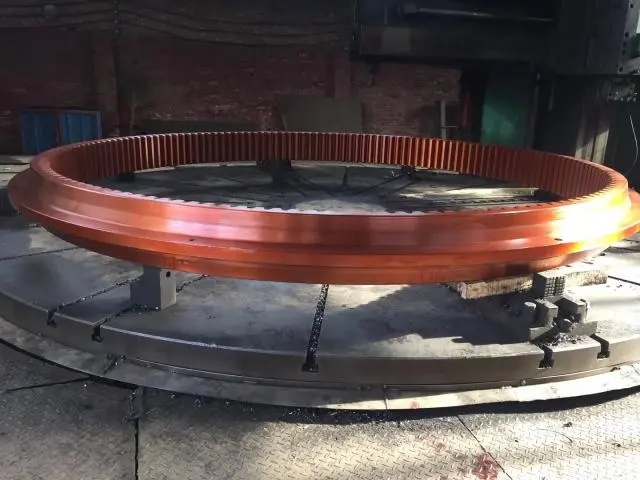
Internal Gear Wheels are transmission parts that are needed in robots, heavy tools, mining equipment, and spacecraft. Unlike regular external gears, these special parts have teeth machined into the inside circle. This makes them small enough to handle large torque loads while keeping noise and shaking to a minimum. In today's competitive business world, procurement workers are under more and more pressure to find parts that balance technical efficiency, dependability, and cost-effectiveness.
This complete guide solves all the problems that purchasing teams face when they need to find ring gears for tough jobs. We will talk about the main things that make good internal gears different, contrast them with other transmission options, and give you useful guidelines for judging suppliers. It's important to know where and how to buy parts for planetary gear reducers, winches, machine tool feed mechanisms, or lifting equipment transfer systems so that the machinery works well and operations don't stop.
Understanding Internal Gear Wheels: Key Insights for Procurement
Fundamental Design and Working Principles
Ring gears feature teeth cut into a cylinder's inner surface, creating concave-convex contact with external pinions. This design offers higher contact ratios and lower Hertzian stress than external pairs. Key parameters include module (0.5-50), helix angle (5°-45°), and pressure angle. These must match transmission system requirements. Planetary configurations using Internal Gear Wheels enable compact, high-torque solutions with superior load distribution and extended component life.
Material Selection and Heat Treatment Considerations
Material choice directly impacts durability. 20CrMnTi and 20CrNiMo suit case-hardened applications requiring tough cores and wear-resistant surfaces. 42CrMo and SAE 4340 handle heavy loads. Aerospace uses 18CrNiMo6 for extreme toughness. Carburising achieves 58-62 HRC surfaces with flexible cores. Quenching and tempering provide 45-50 HRC for medium-duty work. Induction hardening targets specific tooth flanks. Controlled heat treatment with documented case depth (0.8-1.5mm) ensures quality.
Industrial Benefits Driving Procurement Decisions
Space savings from nested construction reduce centre distances, enabling compact gearboxes critical for mobile equipment and aerospace. Higher load-bearing capacity from concave-convex meshing allows greater torque within same dimensions. Noise reduction from lower sliding speeds and smoother load transfer benefits machine tools and noise-sensitive environments. These advantages make Internal Gear Wheels essential for winches, robots, and heavy machinery where space, weight, and performance constraints drive component selection.
Comparing Internal Gear Wheels With Alternative Gear Solutions
Performance Metrics Across Gear Types
Internal gear arrangements in planetary systems offer power densities three to four times higher than parallel shaft designs. Efficiency remains 95-98% depending on precision and lubrication. Maintenance intervals extend through protected meshing and stress distribution. Internal gears excel in compact high-power applications like winch stages and slewing rings. External spur gears offer lower cost but require longer centres and generate more noise. Procurement choices must weigh these trade-offs against specific operational needs.
Lifecycle Cost Considerations
Internal gears cost more initially due to complex shaping and broaching processes. However, reduced maintenance calls, lower bearing loads, and extended component life deliver favourable lifetime economics. Noise reduction eliminates or reduces acoustic enclosure needs. Space savings lower facility requirements. Procurement teams should request lifecycle cost analyses beyond unit prices. System-level benefits like reduced building space and improved fuel economy should influence purchasing decisions alongside component specifications.
How to Choose the Right Supplier for High-Quality Internal Gear Wheels?
ISO 9001 confirms basic quality management for Internal Gear Wheel production, but gear-specific standards matter more. ISO 6 Grade suits general industrial Internal Gear Wheel applications. ISO 4-5 grades serve precision Internal Gear Wheel requirements. AGMA 2000 series standards govern North American Internal Gear Wheel quality. DIN 3962 applies to European Internal Gear Wheel manufacturers. AS9100 certification is mandatory for aerospace Internal Gear Wheel production. Verify Internal Gear Wheel certificates explicitly cover gear manufacturing processes including heat treatment, grinding, and testing. Third-party audit reports provide additional confidence in Internal Gear Wheel supplier quality systems.
Production Capacity and Customization Capabilities
Advanced suppliers maintain comprehensive machining capabilities including gear shaping, power skiving, and grinding for internal tooth forms. In-house heat treatment with carburising furnaces and quenching systems ensures quality control. Customisation breadth includes modules 0.5-50, helix angles 5°-45°, and diverse materials from carbon steels to specialty alloys. Single-piece production capability supports prototyping and replacement parts. Low minimum order quantities reduce inventory costs while maintaining supply continuity.
Reputation Verification and Partnership Track Record
Supplier reputation reveals reliability beyond certifications. Long-term OEM relationships in mining, aerospace, or industrial machinery demonstrate performance in demanding conditions. Customer references indicate communication responsiveness and problem-solving ability. International suppliers should show clear technical communication and organised documentation. Manufacturers with 15+ years experience possess process knowledge difficult for newer companies to replicate. Transparent production reporting builds trust throughout procurement.
Where to Buy: Sourcing High-Quality Internal Gear Wheels Globally
Regional Manufacturing Strengths
European suppliers excel in precision engineering for aerospace and high-end industrial markets with 8-12 week lead times. North American manufacturers offer easier communication, reduced shipping complexity, and no tariff concerns for domestic buyers. Asian manufacturers, particularly Chinese, combine modern German/Japanese machine tools with competitive pricing 30-40% below European equivalents. YIZHI MACHINERY exemplifies this with 15 years expertise, ISO-compliant systems, and 35-60 day delivery times suitable for planned procurement.
Direct Manufacturer Engagement vs. Distributor Networks
Direct manufacturer engagement provides custom engineering support, manufacturing flexibility, transparent pricing, and higher-quality technical data. Established exporters maintain English-speaking technical teams familiar with North American and European standards. Distributor networks offer local availability for replacements and small quantities, consolidated shipping for multi-component orders, and application support. However, customisation options remain limited to catalog specifications, and prices include middleman margins. Direct sourcing suits complex, high-volume requirements.
Online B2B Marketplaces and Verification Strategies
Digital platforms provide global supply network access with supplier verification and transaction protection. Verify credentials beyond platform ratings by requesting facility equipment lists, quality certifications, and production capacity documentation. Video factory tours confirm stated capabilities. Sample parts with material certificates and inspection records verify quality before volume orders. Payment terms reflect supplier confidence: established manufacturers accept letters of credit or milestone-based payments. Excessive upfront deposits may indicate financial instability.
Ensuring Long-Term Success After Purchase: Maintenance and Support
Preventive Maintenance Best Practices
To get the most out of an Internal Gear Wheel's service life, it needs to be oiled, inspected, and its running state must be closely watched. When compared to external gear sets, lubrication has its own set of issues to think about. In spinning ring gears, centrifugal forces tend to push grease away from mesh zones. This is not the case for external gears, where splash lubrication works well. When the pitch line velocity is higher than 20 m/s, high-speed uses need lubrication systems that are fed by pressure or guided oil jets to make sure that the tooth contact surfaces are properly cooled and a film forms.
Check the tooth's surface during frequent checkups for damage. Before major pitting failure, micropitting appears as surface fractures. Scoring markings indicate lubricant or contaminant shortages. Wear patterns in certain tooth locations indicate imbalance or load distribution issues that require immediate attention. Measurements of hole width and tooth thickness may be utilized to monitor wear and plan maintenance.
Monitoring functioning parameters alerts you to issues early. Vibration analysis detects worn bearings, misaligned parts, and broken teeth before they fail. Acoustic tracking detects tooth wear and lubrication-related mesh frequency variations. Temperatures indicate insufficient cooling or friction. Condition tracking tools increase equipment availability and minimize maintenance costs.
Technical Support and After-Sales Service
Supplier loyalty goes beyond just delivering parts; it also includes ongoing professional partnership. A full guarantee, usually for one year, protects against early breakdowns caused by problems with the materials or the way they were made. Rapid reaction methods for technical questions keep systems from being down for long periods of time while they are being fixed. Having access to technical experts can help with installation, break-in, and optimizing working parameters.
Help with installation is especially helpful for complicated planetary systems that have internal ring gears. To do backlash adjustments, tooth contact pattern checks, and alignment processes correctly, you need to know a lot about them. Implementation risks are lower when suppliers offer on-site commissioning help or thorough installation paperwork. Video consultations allow for debugging from a distance, so problems can be fixed without having to journey.
Long-term serviceability is ensured by the supply of spare parts. Manufacturers who keep drawing files and tooling for special parts make it easier to get new parts years after the first delivery. This consistency is very important for capital equipment that has 20–30 year service lives and where parts going out of date can lead to expensive equipment replacements. The deals for buying things should include long-term promises about parts being available and rules for keeping drawings.
Conclusion
To find good Internal Gear Wheels, you need to look at a lot of things, like the technical specs, the supplier's skills, and their long-term support system. When it comes to industrial gear, mining, and aircraft, these parts are essential because they have unique benefits like small sizes, higher load capacities, and lower noise levels. A good procurement process weighs the original cost against the long-term value, knowing that high-quality parts from well-known makers offer better dependability and performance.
Global buying gives you access to specialized production knowledge and prices that are affordable. Working directly with skilled manufacturers like YIZHI MACHINERY gives you access to expert support, the ability to make changes, and quality control systems that are necessary for tough uses. Procurement teams can deliver transmission solutions that improve gear performance and working efficiency across a wide range of industrial sectors by carefully evaluating suppliers, communicating clear specifications, and maintaining ongoing technical partnerships.
FAQ
1. What determines the load capacity of an Internal Gear Wheel?
Material, heating method, and form affect load capacity. High-grade alloy steels like 20CrMnTi or 42CrMo are stronger than carbon steels. Carburizing hardens the surface (58–62 HRC), preventing breaking and wear at high contact pressures. The casing depth, generally 0.8–1.5 mm, balances core toughness and surface sturdiness. Tooth shape—module size, face width, and profile—affects stress distribution and contact formation. Material certifications and heat treatment records from manufacturers provide load value verification.
2. How can I verify a supplier's manufacturing quality before placing large orders?
Multiple reviews are needed to prove quality. Make sure ISO standards include gear manufacturing processes, not just quality management. To verify the facility's documentation, request a list of gear shaping, grinding, and heat treatment equipment. Quality may be verified by having sample parts examined by a third party. Third-party inspection services may examine sites' manufacturing capabilities. Customer recommendations from comparable apps might help you evaluate an app. Letters of credit or goal-based payments reduce financial risk during seller qualifying. A complete evaluation of these criteria enhances supplier confidence.
3. What customization options are available for specialized applications?
Modern manufacturers allow you choose materials, size, and heat treatment procedures. Tooth numbers from 0 to 50, module sizes from 0.5 to 50, and helix angles from 5° to 45° may be employed with varying transmission patterns. Materials include standard alloy steels and airplane and harsh environment-specific varieties. varying heat treatment processes accommodate varying hardnesses and case depths. Grinding smooths the surface to exact levels for low-noise, high-efficiency usage. Leading vendors provide single-piece manufacture for prototypes and additional parts. Collaborative engineering support addresses technical issues and ensures all pieces fulfill operational demands.
Partner With YIZHI MACHINERY for Premium Internal Gear Wheel Solutions
YIZHI MACHINERY is ready to meet your most specific ring gear buying needs thanks to the specialized manufacturing skills they have developed over 15 years of making precision gears. As an expert maker of Internal Gear Wheels, we provide fully customized parts made from high-quality materials like 20CrMnTi, 42CrMo, and SAE 4340 alloys to the mining, aircraft, and industrial machinery industries. Our ISO-certified factory has cutting-edge CNC gear shape machines, precise grinding machines, and controlled atmosphere heat treatment systems. These make sure that the parts we make meet ISO 6 Grade standards and have surface hardnesses that range from 45-50 HRC to 58-62 HRC, depending on what your application needs.
Our all-inclusive service model gets rid of procurement risks by keeping communication clear from the first design meeting all the way through delivery. We offer thorough engineering drawings, reports on the progress of production, proof of quality inspections, and real-time tracking of logistics. Customized boxes with shock-absorbing liners and wooden boards protect tooth surfaces that are easily damaged during foreign shipping. This helps us keep our transport damage rate below 0.1%. With delivery times between 35 and 60 days, production accuracy and project schedule needs are met. Our one-year warranty and quick expert help, along with the delivery of parts, ensure long-term operating success.
Email our technical team at sales@yizmachinery.com to talk about your unique needs for an Internal Gear Wheel. YIZHI MACHINERY has the technical know-how, industrial accuracy, and customer service commitment that your operations need, whether you need a single prototype unit or a lot of planetary gear reducers, winches, or machine tool mechanisms.
References
1. American Gear Manufacturers Association. (2020). AGMA 2000-A88: Gear Classification and Inspection Handbook - Tolerances and Measuring Methods for Unassembled Gears. Alexandria, VA: AGMA Publications.
2. Stadtfeld, H.J. (2014). Advanced Bevel Gear Technology: Manufacturing, Inspection and Optimization. Rochester, MI: The Gleason Works.
3. ISO Technical Committee 60. (2018). ISO 1328-1:2013 Cylindrical Gears - ISO System of Flank Tolerance Classification. Geneva: International Organization for Standardization.
4. Dudley, D.W. (2021). Handbook of Practical Gear Design and Manufacture (3rd ed.). Boca Raton, FL: CRC Press.
5. Linke, H., Börner, J., & Heß, R. (2016). Cylindrical Gears: Calculation, Materials, Manufacturing. Munich: Carl Hanser Verlag.
6. Radzevich, S.P. (2019). Theory of Gearing: Kinematics, Geometry, and Synthesis (2nd ed.). Boca Raton, FL: CRC Press.

USER EVALUATE
Here is the customer's evaluation of us