


Rolling Mill Gearbox: What Makes it So Important?
The Rolling Mill Gearbox is the heart of generation effectiveness in overwhelming businesses, from mining plants to manufacturing plants that make parts for shuttle. This uncommon control transmission unit moderates down the engine whereas incredibly expanding the torque. This lets roll stands absolutely shape metal. These gearboxes are way better than customary reducers since they can handle the tall outspread loads, warm push, and stun impacts that come with working with metal. Their significance goes beyond their basic mechanical work; they decide generation uptime, precision in surface quality, and working security in areas that require steadfastness in harsh conditions.
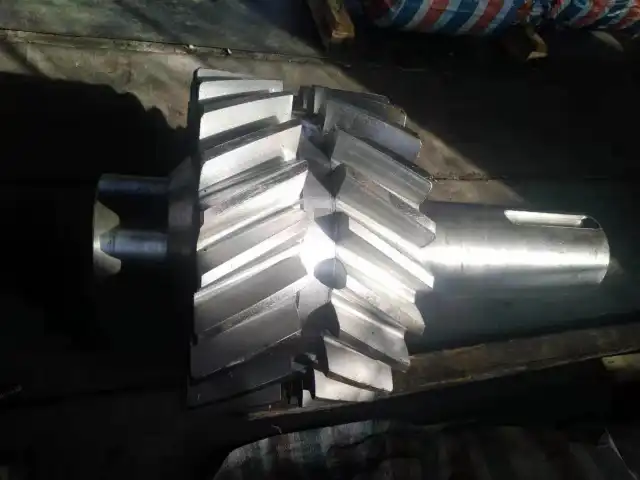
Understanding Rolling Mill Gearboxes: Functions and Design Principles
The Core Function of Power Transmission Units
The primary purpose of a Rolling Mill Gearbox is to change over high-speed, low-torque engine output into the low-speed, high-torque turn required for preparing metal pieces, billets, and sheets. This transmission preparation depends on carefully designed equipment trains that keep up arrangement beneath vibration, thermal expansion, and contamination from metal scale. Adapt proportions by and large run from 10:1 to more than 100:1 depending on generation prerequisites. These proportions specifically impact rolling speed, constrain transmission, generation productivity, and the capacity to move workpieces easily through distinctive rolling process stands amid operation.
Key Design Features for Heavy-Duty Performance
Rolling Mill Gearbox systems are outlined for extraordinary mechanical situations requiring high strength and steady operation beneath overwhelming loads. Lodgings are made from stress-relieved steel or premium cast press to minimize vibration and reduce basic inflexibility. Inner gears experience carburizing, acceptance solidifying, or extinguishing and treating to accomplish surface hardness levels between 58 and 62 HRC. Exactness fabricating concurring to ISO 5–6 measures guarantees compliance with ISO 6336 and AGMA 6013 necessities. Premium amalgam steels such as 18CrNiMo7, 17CrNiMo6, and SAE4340 give amazing durability, wear resistance, and long-term unwavering quality amid demanding rolling processes.
Gearbox Types and Application-Specific Selection
Different Rolling Mill Gearbox designs are chosen to particular operational necessities inside rolling process applications. Helical gearboxes are broadly utilized since of their smooth coinciding execution and tall stack capacity, making them appropriate for persistent hot strip process operation. Planetary gearboxes give compact development and high torque thickness for cold rolling couples with constrained establishment space. Incline gearboxes bolster right-angle drive courses of action commonly utilized in plate plants, whereas worm gearboxes give self-locking capability for situating applications. Appropriate choice depends on speed necessities, warm extension conditions, torque changes, and item surface quality requests amid production.
Rolling Mill Gearbox Maintenance: Best Practices and Troubleshooting
Scheduled Inspection Protocols
Preventive maintenance programs are essential for extending Rolling Mill Gearbox service life and minimizing unexpected downtime. Inspection schedules are usually based on operating intensity, with major inspections commonly performed every 2,000 to 4,000 operating hours in continuous production facilities. Maintenance procedures include checking housing integrity, inspecting seal condition, and verifying mounting bolt tightness to maintain alignment stability. Endoscopic inspection through access ports allows technicians to monitor internal gear conditions without complete disassembly. This approach supports continuous production while providing valuable condition monitoring data needed to identify developing wear and prevent catastrophic mechanical failures.
Lubrication Management and Oil Analysis
Effective lubrication management directly affects the reliability and lifespan of every Rolling Mill Gearbox component. High-performance synthetic lubricants designed for extreme-pressure applications maintain stable viscosity across wide operating temperature ranges common in rolling processes. Oil samples collected every 500 operating hours help identify contamination levels and detect active wear through iron particle concentration analysis. Spectroscopic testing identifies specific material particles from gears or bearings, allowing early fault detection before major failures occur. Maintaining oil temperatures below manufacturer recommendations, typically around 180°F, prevents oxidation, additive breakdown, and lubricant degradation that would otherwise reduce equipment performance and service life.
Condition Monitoring Technologies
Modern condition monitoring technologies transform Rolling Mill Gearbox maintenance from reactive repair into predictive maintenance planning. Accelerometers mounted on bearing housings measure vibration frequencies associated with gear tooth wear, imbalance, and bearing defects. Gear mesh faults generate characteristic harmonic frequencies, while bearing damage produces specific calculated fault signatures based on bearing geometry and rotational speed. Maintaining vibration levels below 4.5 mm/s helps ensure stable operation. Thermal imaging systems identify localized overheating caused by poor lubrication or misalignment, while acoustic emission monitoring detects crack formation before visible damage appears, providing early warning of developing mechanical failures within critical gearbox components.
Troubleshooting Common Failure Modes
Systematic troubleshooting procedures improve Rolling Mill Gearbox repair efficiency and reduce operational downtime when failures occur. Different noise patterns often indicate specific mechanical problems. Grinding sounds commonly result from contamination or insufficient lubrication between contacting surfaces, while clicking noises during load changes suggest excessive backlash caused by wear or improper assembly. Localized temperature increases near bearings usually indicate lubrication problems or bearing damage requiring immediate attention. Oil leakage through seals must be corrected quickly to prevent contamination entry and lubricant loss. Blue matching tests showing contact below 85% of tooth width indicate alignment problems requiring shimming or housing adjustment.
How to Choose the Right Rolling Mill Gearbox for Your Industrial Needs
Load Capacity and Speed Range Evaluation
Selecting the correct Rolling Mill Gearbox begins with accurately evaluating operational load requirements and speed ranges. Maximum torque calculations should include safety factors for shock loading during billet entry, often using multipliers around 2.5 times steady-state torque for roughing applications. Gear ratios must support both minimum and maximum roll speeds while keeping motor operation within efficient RPM ranges. Environmental conditions including vibration, exposure to cooling water, chemical contamination, and high ambient temperatures must also be considered during specification and mounting design. Proper evaluation ensures stable operation, sufficient durability, and reliable long-term production performance under demanding industrial conditions.
Durability Standards and Efficiency Considerations
Rolling Mill Gearbox procurement specifications should follow internationally recognized durability and efficiency standards to ensure long-term reliability. Gears manufactured according to DIN 5 or DIN 6 quality standards provide precise machining accuracy and consistent heat treatment results for heavy-duty industrial service. Recommended designs should include ultrasonic inspection of shafts and magnetic particle testing of gear teeth to identify hidden defects before installation. High-quality helical gearboxes typically achieve transmission efficiencies between 96% and 98%, reducing energy consumption during continuous operation. Metallurgical reports verifying effective case depth between 0.8 and 1.5 mm confirm proper heat treatment and wear resistance performance.
Comparative Analysis: Mechanical Versus Hydraulic Drives
Comparing mechanical and hydraulic systems helps operators choose the most suitable Rolling Mill Gearbox drive technology for their production requirements. Mechanical gearboxes provide higher transmission efficiency, compact installation dimensions, and simpler maintenance procedures, making them ideal for continuous steady-state operations requiring reliable fixed speed ratios. Hydraulic drives offer infinitely variable speed control and built-in overload protection through pressure relief systems, making them useful for applications requiring frequent speed adjustments or soft starting capability. Although hydraulic systems provide operational flexibility, mechanical solutions generally deliver lower long-term operating costs, better energy efficiency, and reduced maintenance requirements in continuous industrial production environments.
Supplier Evaluation Criteria
Selecting a reliable Rolling Mill Gearbox supplier requires balancing technical capability, product quality, delivery performance, and after-sales support. Well-known manufacturers including FAG, Siemens, Rexnord, Flender, and SKF each provide specialized advantages for industrial applications. Buyers should request material traceability records, heat treatment certifications, and proof of compliance with technical specifications. Suppliers capable of modifying standard gearbox designs to support unique mounting arrangements or integrated monitoring systems provide greater operational flexibility. Warranty coverage should exceed twelve months and clearly define responsibilities for workmanship and material defects. Total ownership cost, spare part availability, and technical response speed are also critical evaluation factors.
Procurement Insights: Buying Rolling Mill Gearboxes with Confidence
Sourcing Channels and Their Strategic Implications
B2B buying teams can work with approved wholesalers, directly with manufacturers, or with new online industrial platforms. Direct ties with manufacturers give you the most customization options and allow you to work together technically as you create specifications. We've built long-term relationships with a lot of well-known mechanical engineering companies that help us understand new application needs. Distributors keep new units in stock close to where they're needed, which cuts down on lead times. This is helpful for businesses that value service over customization. Online platforms give buyers more suppliers to choose from, but they need to be sure that suppliers have the right technology qualifications and quality certifications before they commit.
Bulk Ordering Advantages and Logistical Coordination
Making a volume promise opens up better price and production scheduling options. Framework agreements for multi-year spare parts supply help keep budgets stable and make sure that the quantity of parts fits the lifecycle of the equipment. When shipping heavy, precise parts across foreign borders, logistics planning is very important. Transport damage rates are kept below 0.1% with customized packing that includes shock-absorbing cushioning layers and reinforced wooden crates. This keeps the tooth surface intact while it is being handled. Multi-modal transport, which includes sea freight, air freight, and train choices, gives you the freedom to balance the need for quick replacements with the best cost-effectiveness for planned maintenance stock builds.
Understanding 2026 Pricing Dynamics and Warranty Terms
The current state of the market shows that the prices of raw materials have leveled off after recent changes, and the prices of alloy steel have lowered compared to their highest points in 2024 and 2025. As a result of the complexity of the manufacturing process and the length of the heat treatment cycles, standard wait times are 35 to 60 days. When engineering research is needed for custom designs, the release times given are pushed back by two to four weeks. The warranty usually lasts for one year after the product is put into service and covers both material flaws and poor manufacturing skills. Clarify what isn't covered—damage caused by bad fitting, using it past its stated capacity, or not maintaining it properly usually isn't covered. Progressive sellers offer longer guarantee periods and preventive maintenance contracts that include regular checks and faster response times for problems that come up out of the blue.
The Strategic Value of OEM Parts and Custom Manufacturing
Maintaining equipment to its original specs is important for keeping it operationally reliable. OEM spare parts ensure that they will fit and be made of the same material as the fitted base. This means that you don't have to worry about substitute parts breaking down early. When standard catalog goods don't meet the needs of a specific application, custom Rolling Mill Gearbox making can help. Some of the uses are non-standard mounting arrangements, adding condition tracking sensors, or specifying special materials for harsh settings that corrode. Building partnerships with makers that offer full customization—from analyzing needs to design drawings, production machining, quality checking, packing, and shipping—saves time and money on purchasing while making sure that everyone in the supply chain is responsible.
Future Trends and Innovations in Rolling Mill Gearboxes for the Future
Energy Efficiency Through Material and Design Innovation
Gearbox economy keeps getting better because of the need to be environmentally friendly. Advanced gear tooth shape optimization using finite element analysis lowers friction losses during meshing, which directly leads to lower energy use. New discoveries in material science lead to alloy formulas that are just as strong but lighter, which lowers the rotational friction and makes the dynamic reaction better. Controlled shot peening and other surface finishing methods create positive residual compressive stresses that make things more resistant to wear without removing any more material. This makes the parts last longer while keeping the efficiency gains.
Predictive Maintenance Through IoT Integration
Digital transformation changes the way gearbox lifecycle management is done. Embedded sensors that measure vibration, temperature, and sound waves send constant amounts of data to analytics systems in the cloud. Machine learning systems that have been trained on past failure patterns can find outliers that indicate faults weeks before they normally show up. This feature changes upkeep from being done at set times to being done based on conditions, which makes the best use of parts and cuts down on unplanned downtime. Using real-time tracking, you can see how a shipment is doing from the time it leaves the plant until it arrives at the customer. This gives you more control over the supply chain and lowers uncertainty.
Market Evolution and Strategic Positioning
As companies invest in more precise manufacturing equipment, the industry continues to merge as they look for economies of scale. This trend benefits providers who can show they can do design engineering, advanced machining, heat treatment, and global logistics, among other things. Strategies for buying things should put relationships with makers that show they are willing to keep investing in R&D and work together technically at the top of the list. Scaling from prototype single-unit production to volume manufacturing makes it possible to test equipment and standardize fleets without switching suppliers. This makes it easier to handle spare parts and qualification processes throughout the working lifetime.
Conclusion
The Rolling Mill Gearbox is more than just a piece of mechanical gear. It's the perfect mix of precise metalworking, top-notch engineering, and reliable operation that gives heavy industry sectors their competitive edge. These specialized drives determine production quality and downtime. They have to be able to handle harsh thermal cycles in hot strip mills and work without vibrations when aircraft parts are being made. Strategic procurement puts a lot of weight on confirmed technical standards, the ability of suppliers to make changes, and promises of lifelong support. As industries move toward predictive maintenance and energy optimization, choosing partners who are good at both manufacturing and digital integration sets businesses up to stay competitive in markets that are always changing.
FAQ
1. What maintenance intervals prevent premature gearbox failure?
The best maintenance plans rely on how busy the business is. Every 2,000 hours of operation, continuous mills should be inspected, while every 4,000 hours of operation for irregular mills should be inspected. Every 500 hours, the oil should be analyzed to see how much pollution and chemical wear is happening. Vibration monitoring lets you check on the state in real time between planned actions.
2. Which signs indicate imminent gearbox replacement necessity?
Critical signs include shaking speeds that are higher than the manufacturer's limits even after bearing replacement, multiple seal failures that point to housing distortion, obvious gear tooth cracking found through endoscopic inspection, and confirmation of metallurgical wear through oil debris analysis. When the cost of repairs gets close to 60% of the value of a new unit, economic research usually suggests buying a new unit.
3. How do custom gearboxes enhance rolling mill performance?
Customization solves problems that normal catalog goods can't solve for certain uses. Customized gear ratios make the best use of motor loads across all output speeds. Changes were made to the designs of the housings to make them fit in tight installation areas or to include mounting holes for condition tracking equipment. Choosing materials that can handle corrosive conditions or extreme thermal cycles can increase the service life of products used in tough situations, lowering the total cost of ownership by lowering the number of times they need to be replaced.
Partner with YIZHI MACHINERY for Superior Rolling Mill Gearbox Solutions
YIZHI MACHINERY has been making specialized gears for 15 years and can customize them in any way needed. They serve customers around the world in the mining, aircraft, and industrial machinery sectors. Our Rolling Mill Gearbox solutions come with ISO 5-6 precise grades, advanced heat treatment methods like carburizing and induction hardening, and a range of materials, including 18CrNiMo7, SAE4340, and AISI4140 metals that are made to withstand high duty cycles. As a reliable Rolling Mill Gearbox maker, we offer production times between 35 and 60 days and flexible minimum order numbers that allow for both small-scale prototype development and large-scale purchases. Our full service includes design advice, real-time reports on production, quality checks, and unique packaging that guarantees less than 0.1% damage during shipping. Contact us at sales@yizmachinery.com to talk about your unique application needs and get expert advice on how to make your power transfer systems work as efficiently as possible.
References
1. American Gear Manufacturers Association. (2019). AGMA 6013-A06: Standard for Enclosed Drives – Helical, Herringbone and Spiral Bevel Gears. Alexandria: AGMA Publications.
2. International Organization for Standardization. (2020). ISO 6336-1:2019 Calculation of Load Capacity of Spur and Helical Gears – Part 1: Basic Principles. Geneva: ISO Standards Catalogue.
3. Roberts, E.W. (2018). Rolling Mill Technology: Design and Operational Considerations for Modern Steel Production. London: Engineering Press International.
4. Zhang, L. & Kumar, S. (2021). Advanced Heat Treatment Processes for High-Performance Gearing in Heavy Industry. Journal of Materials Engineering and Performance, 30(4), 2847-2861.
5. Deutsches Institut für Normung. (2017). DIN 3990: Calculation of Load Capacity of Cylindrical Gears. Berlin: Beuth Verlag.
6. Mitchell, T.R. (2022). Predictive Maintenance Strategies for Industrial Power Transmission Systems. New York: Mechanical Engineering Publications.

USER EVALUATE
Here is the customer's evaluation of us