


Everything You Need to Know About Rolling Mill Gearbox Care
Taking care of a Rolling Mill Gearbox is more than fair normal upkeep; it's too almost ensuring your generation downtime and huge speculations. These solid control exchange units are what keep steel plants, metal handling plants, and heavy-duty rolling operations running. Disregard can cause colossal issues, startling downtime that costs a part of cash an hour, and security dangers. This book instructs you everything you require to know approximately taking care of a gearbox, from knowing how they work to utilizing preventative support strategies that make them final longer and work superior. You can utilize the data in this book whether you're a buying laborer looking at providers or a repair design in charge of day by day operations. The data is valuable for mechanical devices, mining, and aerospace.
Understanding Rolling Mill Gearbox: Basics and Working Principles
What Makes a Rolling Mill Gearbox Unique?
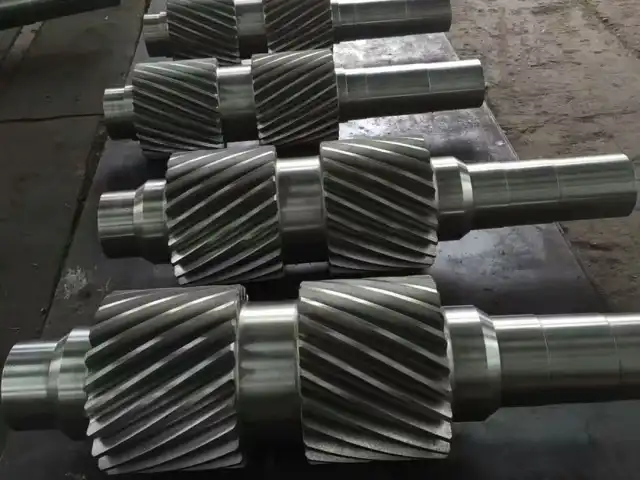
A Rolling Mill Gearbox is a uncommon kind of speed reducer that is planned to turn a motor's tall speed turning into the gigantic control that is required to twist metal pieces, billets, or sheets. Not at all like most mechanical reducers, these units can handle stun loads of more than 300% of their ordinary control, steady warm push from working with hot metal, and consistent defilement from process scale and cooling water. The body of the gearbox is more often than not made of stress-relieved cast press or high-grade steel, which makes it exceptionally hardened and diminishes vibration. Interior, precision-ground gears made from combination steels like 18CrNiMo7 or 20CrMnTi are warmed and cooled until the surface is between 58 and 62 HRC. This makes the gears more safe to wear and cracking.
Core Components and Their Functions
Knowing how each portion influences execution as a entire makes a difference; you discover issues speedier and make superior choices approximately what to purchase. Through carefully arranged decreasing proportions, the adapt prepare sends rotational control and increments torque. This control is exchanged by shafts, which are, as a rule, made of cast SAE4340 or 42CrMo steel and can handle twisting and bending loads. Orientation, as a rule, decreased roller or circular roller sorts, keep the shaft in the correct position and back even and hub loads. The shell gives security for the interior parts and also acts as a warm sink and oil capacity. Seals halt oil from spilling and soil from getting in, which is particularly difficult to do in damp rolling conditions.
How Power Transmission Actually Works
The electric engine turns the input shaft at speeds between 600 and 1800 RPM. In a carefully arranged handle, the pinion adapt locks in with the greater driven gears. Based on the adapt proportion, each adapt work moderates down the vehicle whereas boosting control in a relative way. Progressed micro-geometry changes, like tip alleviation and topping, make beyond any doubt that the stack is spread equitably over the width of the tooth confront, indeed when the shafts twist beneath overwhelming loads. This level of plan complexity stops edge stacking, which breaks teeth as well before long. After that, the yield shaft carefully speeds up the work rolls, more often than not between 50 and 500 RPM. This makes it conceivable to keep up a uniform level of metal diminishment and surface quality.
Essential Maintenance Tips for Rolling Mill Gearboxes
Systematic Inspection Routines
Proactive inspection routines help maintenance teams identify Rolling Mill Gearbox problems before they develop into genuine disappointments. Day by day reviews ought to incorporate checking for oil spillage around seals and assessment covers, observing anomalous oil discoloration caused by overheating or defilement, and affirming that mounting jolts stay legitimately fixed to keep up arrangement exactness. Week by week vibration estimations at bearing lodgings ought to stay underneath 4.5 mm/s to anticipate intemperate wear. Crushing clamors may demonstrate destitute grease, whereas tedious thumping sounds regularly recommend harmed adapt teeth. Month to month warm imaging assessments uncover creating hot spots, permitting remedial activity some time recently bearing overheating and operational disappointment occur.
Correct Lubrication Techniques
Proper lubrication practices are essential for extending Rolling Mill Gearbox service life and maintaining stable operation under demanding industrial conditions. Most systems use mineral or synthetic lubricants with extreme-pressure additives ranging from ISO VG 320 to 680, selected according to operating temperature and torque requirements. Oil levels should remain at the midpoint of the sight glass because overfilling increases churning losses and temperature, while insufficient oil causes metal contact damage. Oil replacement intervals generally range from 2,000–4,000 hours for mineral oils and 8,000 hours for synthetics, with oil analysis providing additional information about viscosity, oxidation, contamination, and internal wear conditions.
Troubleshooting Common Problems
Quick troubleshooting procedures reduce downtime and protect Rolling Mill Gearbox systems from severe damage during operation. Excessive temperatures above 80°C usually result from insufficient lubrication, blocked cooling passages, or poor ventilation around the housing. Maintenance teams should verify oil levels, clean cooling fins, and inspect cooling fan operation immediately. Misalignment between the motor and gearbox input shaft creates vibration, coupling wear, and accelerated bearing damage, requiring laser alignment or dial indicator measurements within 0.05 mm tolerances. Gear tooth pitting and scoring indicate lubrication problems or overload conditions, while grinding sounds and temperature increases commonly signal bearing failure requiring prompt corrective action.
Comparing Rolling Mill Gearboxes for Informed Procurement
Understanding Performance Differences
Different Rolling Mill Gearbox designs provide varying performance advantages depending on operating conditions and production requirements. Traditional rolling mill gearboxes with parallel shaft or planetary arrangements achieve efficiency ratings of 95–98%, making them suitable for heavy-duty roughing stands and continuous high-load operation. Worm gear reducers operate more quietly and compactly but deliver lower efficiency between 50–85%, making them better suited for lighter-duty equipment such as tension reels. Heavy-duty gearboxes feature larger tooth modules and wider gear faces to distribute shock loads effectively, while variable-speed designs allow operators to adjust roll speed precisely without relying entirely on complex motor control systems.
Evaluating Supplier Reliability
Rolling Mill Gearbox procurement demands long-term supplier stability, accurate manufacture, and quick service support, not just competitive cost. YIZHI MACHINERY provides reliable and durable gearbox solutions for metallurgical rolling mill systems using ISO-compliant manufacturing standards and 15 years of gear production expertise. The firm maintains product quality from raw material processing to final inspection using innovative CNC gear machining centers, automated grinding machines, and intelligent heat treatment lines. Global clients may decrease procurement risks and increase operational dependability with real-time logistics tracking, customizable protective packaging, flexible OEM services, and speedy after-sales support from YIZHI MACHINERY.
How to Optimize Rolling Mill Gearbox Efficiency and Longevity
Identifying Performance Bottlenecks
Even properly maintained Rolling Mill Gearbox systems experience efficiency losses caused by alignment issues, lubrication degradation, cooling limitations, and seal failures. Incorrect alignment between connected components creates parasitic loads that increase vibration and accelerate bearing wear, making precise laser alignment within 0.02 mm highly beneficial during installation and maintenance. Poor lubricant quality or contamination raises friction and operating temperatures, reducing transmission efficiency over time. Cooling fins clogged with dust and mill scale prevent effective heat dissipation, especially in continuous-duty applications. Upgraded multi-lip or labyrinth seal designs improve protection against contamination while minimizing lubricant leakage and reducing long-term component wear.
Best Practices for Installation and Monitoring
Correct installation procedures establish the foundation for reliable Rolling Mill Gearbox performance and long-term durability. Gearboxes should be mounted on rigid foundations with properly grouted baseplates to prevent vibration and maintain alignment during thermal expansion. Fasteners must be tightened to specified torque values using calibrated tools and rechecked after the initial run-in period. Lubrication drain lines require sufficient slope for complete oil removal, while breather ports should remain protected from contamination sources. Modern condition monitoring systems, including wireless vibration sensors, temperature probes, and oil particle counters, provide continuous operational data that supports predictive maintenance and centralized plant-wide monitoring strategies.
Advanced Solutions Delivering Measurable Results
Advanced technologies and maintenance improvements provide measurable performance gains for Rolling Mill Gearbox operations. Premium synthetic lubricants reduce friction losses by 5–8% compared with conventional oils, lowering energy consumption in continuous-duty applications. Optimized gear tooth geometry developed through tribology research improves load distribution while minimizing sliding friction. Variable frequency drives combined with correctly sized gearboxes eliminate unnecessary mechanical losses caused by throttling controls. A Midwest steel producer improved gearbox reliability by implementing vibration monitoring, correcting alignment issues, and switching to synthetic lubricants. Bearing life increased from 18 to 42 months, while annual savings exceeded $180,000 through lower downtime and reduced energy usage.
Procurement and Post-Purchase Guidance for Rolling Mill Gearboxes
Strategic Sourcing Considerations
Effective Rolling Mill Gearbox procurement strategies evaluate more than initial equipment cost. Local distributors provide rapid delivery and immediate technical assistance for urgent replacement needs, although their product range may be limited. Direct manufacturer relationships allow complete customization of materials, gear ratios, and mounting arrangements but often involve lead times between 35 and 60 days for complex units. Online industrial marketplaces increase supplier options but require careful qualification through certification reviews, reference checks, and sample inspections. Buyers should request manufacturing documentation including forging certificates, heat treatment reports, and dimensional inspection records verifying compliance with ISO 5–6 precision standards.
Understanding 2026 Pricing and Value
Rolling Mill Gearbox pricing varies according to torque capacity, customization requirements, material selection, and production complexity. Standard light-duty units generally cost between $8,000 and $15,000, while heavy-duty gearboxes for main rolling mill stands range from $50,000 to $150,000. Custom configurations using premium materials such as AISI8620 or specialized surface treatments typically increase costs by 20–40%. Procurement budgets should also include transportation expenses, installation supervision, commissioning support, spare parts inventory, and maintenance planning. Evaluating total lifecycle value instead of only purchase price helps organizations achieve better long-term operational efficiency, reliability, and maintenance cost control.
Building Long-Term Supplier Partnerships
Strong partnerships with Rolling Mill Gearbox suppliers provide long-term operational advantages beyond equipment purchasing alone. Reliable manufacturers support customers through warranty coverage, spare part availability, technical consultation, and field repair services throughout the equipment lifecycle. Warranty periods commonly extend to 12 months after commissioning or 18 months after shipment, excluding damage caused by improper installation or operation beyond rated capacity. YIZHI MACHINERY provides customized gearbox solutions using materials such as 45# steel, 20CrMnTi, 40CrNiMo, and SAE4340, processed through forging, hobbing, milling, and grinding. Strict quality inspections, vibration testing, protective packaging, and multi-channel logistics ensure dependable delivery and consistent product performance.
Conclusion
To take good care of a Rolling Mill Gearbox, you need to know a lot about technology, do regular repair, and plan your purchases. By following the suggested inspection, greasing, and tracking plans, you can keep your most important assets safe while also improving the efficiency of your operations. When making purchasing choices, it's helpful to look at a supplier's skills beyond just price. Long-term value is determined by customizable options, quality control, and support after the sale. Condition tracking and premium lubricants are examples of new technologies that give measured results by making parts last longer and using less energy. These insights help people make smart decisions that improve reliability in industrial machinery, mining, and aerospace uses, whether they are handling current equipment or planning new installs.
FAQ
1. What are the most critical maintenance priorities for rolling mill gearboxes?
The most important thing for Rolling Mill Gearbox maintenance is how the lubrication is managed. Sixty to seventy percent of gearbox breakdowns can be avoided by keeping the oil amounts right, using the right viscosity grades, and switching lubricants based on oil analysis. Monitoring vibrations finds bearing problems early, and checking the line during installation stops problems from happening again and again. Temperature tracking finds problems with cooling before they cause damage.
2. When should I repair versus replace a worn gearbox?
It makes financial sense to fix things when the damage is limited to a small area, like when you replace a few bearings or seals or do some minor gear repair. When gear teeth have a lot of pits or breaks, when shaft wear goes beyond what can be regrinded, or when housing cracks make the structure less stable, replacement is needed. Compare the costs of downtime with the costs of repairs. Sometimes, replacing something quickly is the best way to limit lost production value, even if the fix is technically possible.
3. How do I select lubricants for high-temperature rolling mill environments?
It is best to choose manufactured oils that can work continuously at the highest temperature possible + 20°C. Most uses are good for ISO VG 460-680 grades, and polyalphaolefin or polyalkylene glycol base stocks are better at withstanding high temperatures than mineral oils. Extreme-pressure chemicals protect against shock loads, and anti-oxidant packages make things last longer. Talk to lube suppliers who have experience in the metallurgical business to get advice that is tailored to your needs.
Partner With YIZHI MACHINERY for Precision Gearbox Solutions
Power transmission parts like a Rolling Mill Gearbox that are reliable and built to high standards are needed for your output. Customized rolling mill gearbox solutions from YIZHI MACHINERY are made to ISO 5-6 precision grades using advanced heat processes like cooling, carburizing, and induction hardening. Forging, cutting, hobbing, milling, and grinding are some of the steps we use to make gears. The modules we make range from 0.5 mm to 50 mm, and the surface hardness can reach 62 HRC. We are an experienced rolling mill gearbox seller that works with the mining, aerospace, and industrial machinery industries. We have low minimum order amounts, can make just one item at a time, and can deliver within 35 to 60 days. Our focused expert help, one-year warranty, and real-time shipment tracking make sure that your investment works efficiently for as long as it's in use. Contact us at sales@yizmachinery.com to talk about your application needs, get design advice, or get full quotes. Visit yizhimachinery.com to learn more about all of our services and how our commitment to precision manufacturing can help your business succeed.
References
1. Budynas, Richard G., and J. Keith Nisbett. Shigley's Mechanical Engineering Design, 11th Edition. McGraw-Hill Education, 2019.
2. American Gear Manufacturers Association. AGMA 6013-A06: Standard for Industrial Enclosed Gear Drives. Alexandria, VA: AGMA, 2006.
3. International Organization for Standardization. ISO 6336: Calculation of Load Capacity of Spur and Helical Gears. Geneva: ISO, 2019.
4. Townsend, Dennis P. Dudley's Gear Handbook: The Design, Manufacture, and Application of Gears, 2nd Edition. McGraw-Hill, 1992.
5. Mobley, R. Keith. An Introduction to Predictive Maintenance, 2nd Edition. Butterworth-Heinemann, 2002.
6. Neale, M.J., ed. Lubrication and Reliability Handbook. Society of Automotive Engineers, 2001.

USER EVALUATE
Here is the customer's evaluation of us