


How to choose the right ball mill gear?
Choosing the right Ball Mill Gear is an imperative buy choice that has a direct impact on how well mining, cement, and mineral preparing businesses run, how much they fetched to keep up, and how much time they have to create. A great circumference gear—the large-diameter ring adapt that is joined to the process shell—ensures exact control exchange, cuts down on downtime, and can handle the unpleasant conditions of pounding 24 hours a day, seven days a week. To make an educated choice, buyers require to see the sorts of materials utilised, how they are warmed, the correct grades they offer, and the supplier's aptitudes. A few vital things to think around are making beyond any doubt that the equip specs coordinate the mill's stack and speed needs, knowing the contrast between manufactured and cast choices, and making beyond any doubt that solid quality control measures are in place. Working with talented producers who offer customization, unsurprising hold up times, and full specialized bolster significantly brings down the chance of disappointment some time recently its time and exorbitant generation delays.
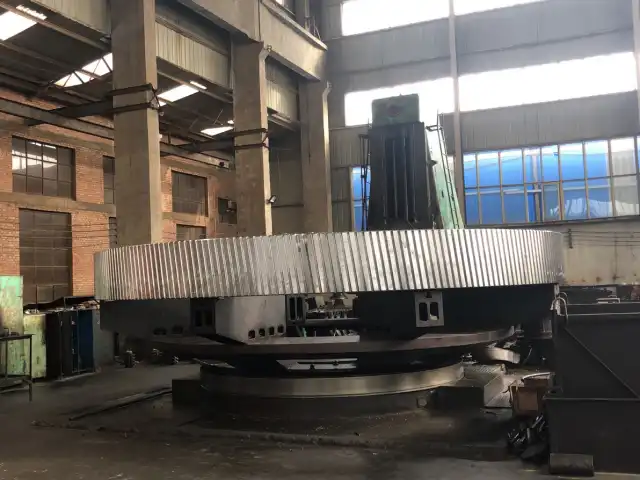
Understanding Ball Mill Gear Basics
The Role and Function of Girth Gears in Milling Systems
Ball Mill Gear systems, also called girth or ring gears, transfer power from the drive assembly to the mill shell. Mounted externally on the cylinder, they convert motor energy into rotational force that drives grinding media and crushes ore, clinker, or coal. These gears handle torque loads exceeding 5,000 kNm while tolerating vibration, shell deflection, and thermal expansion during continuous operation. Because Ball Mill Gear units work in dusty, hot, and humid environments, they require durable materials, precise engineering, and reliable structural stability for long-term performance.
Primary Gear Types: Spur, Helical, Forged, and Cast
Spur gears are widely used in Ball Mill Gear applications due to their straightforward structure and capacity to withstand overwhelming spiral loads. Helical gears give smoother engagement, lower vibration, and calmer operation, in spite of the fact that they make pivotal pushed requiring more grounded bearing bolster. Fashioned gears offer made strides grain stream and mechanical quality through hot working, making them perfect for high-load conditions. Cast gears are more temperate and adaptable in shape plan but have lower affect resistance. Producers like YIZHI Apparatus give fashioned and cast alternatives utilizing materials such as 42CrMo, AISI4140, and 20CrMnTi.
Material Comparison: Forged Steel vs. Cast Steel Performance
Material selection strongly affects Ball Mill Gear durability and reliability. Produced steels such as 40CrNiMo, SAE4340, and 18CrNiMo7 give malleable qualities over 900 MPa with fabulous durability and break resistance beneath stun stacking. Cast steels like ZG45 and GS-34CrMo4 are more conservative and appropriate for lighter-duty applications. Casting permits expansive and complex equip plans but may present porosity requiring ultrasonic review. Warm medicines counting carburizing, treating, and acceptance solidifying increase surface hardness to 58–62 HRC, upgrading wear resistance and expanding operational life beneath serious pounding conditions.
Essential Design Principles: Gear Ratio and Load Capacity
The Ball Mill Gear ratio determines mill speed and pounding productivity. Proportions as a rule extend from 5:1 to 10:1 depending on process estimate and prepare requests. Higher proportions lower rotational speed, progressing liner life but possibly lessening throughput. Stack capacity depends on module measure, confront width, fabric quality, and tooth geometry. Weight points of 20° for the most part give higher stack capacity and lower push than 14.5° plans. Engineers calculate torque exchange, apply benefit variables, and guarantee tooth stresses comply with ISO 6336 or AGMA 2001 benchmarks to avoid untimely tooth breaking or surface failure.
Critical Factors in Choosing the Right Ball Mill Gear
Matching Gear Type and Size with Mill Load and Speed
Mill load and operating speed directly influence Ball Mill Gear selection. Damp pounding in copper or gold preparing makes fluctuating overwhelming loads, whereas dry cement pounding creates steady but grating conditions. Expansive slow-speed plants require more extensive confront widths and bigger modules to handle higher torque without tooth distortion. Littler high-speed plants require compact gears with more tightly resiliences to decrease contact misfortunes. Buyers ought to give total process details counting breadth, length, RPM, control rating, and working hours so providers can suggest reasonable materials, measurements, and ISO 5–6 exactness grades.
Importance of Correct Gear Ratio for Throughput and Torque
An incorrect Ball Mill Gear ratio can diminish crushing effectiveness and hardware life. Proportions that are as well tall lower process speed unreasonably and diminish generation, whereas moo proportions increment liner wear and media utilization. Most plants work at 70–80% of basic speed to keep up productive cascading movement of pounding media. Engineers calculate the proportion utilizing engine speed and target process RPM whereas guaranteeing the pinion and circumference equip can transmit full torque securely. Limited component investigation makes a difference foresee stretch conveyance and distinguishes frail focuses some time recently fabricating begins.
Maintenance Considerations: Failure Causes and Prevention
Common Ball Mill Gear failures include tooth cracking, spalling, excessive wear, and surface fatigue. Misalignment caused by foundation settlement or shell deformation creates edge loading that accelerates gear damage. Proper alignment checks using laser systems or dial indicators help prevent premature wear. Lubrication is equally important in open gear systems, where spray lubricants create protective films against metal contact and abrasive dust. Automatic lubrication systems improve consistency and extend service life. Overloading from excessive mill charge or feed material can also generate damaging shock loads beyond design limits.
Lubrication Best Practices and Operational Stability
Effective lubrication improves Ball Mill Gear reliability by reducing friction, dissipating heat, and removing contaminants from the tooth mesh. Common lubricants include ISO VG 1000–3200 oils and NLGI Grade 0–00 semi-fluid greases. Dusty cement applications often require hourly lubrication cycles. Automated spray systems ensure even lubricant coverage and minimize manual application errors. Operational stability also depends on vibration control. Loose bolts, uneven mill loading, or worn liners generate harmful resonances that damage gear teeth and bearings. Vibration monitoring systems help detect problems early and support preventive maintenance planning.
Comparing Ball Mill Gear Options in the Market
Differentiating Ball Mill Gears from Pinion Gears
Ball Mill Gear assemblies and pinion gears perform different but connected functions. The girth gear is mounted around the mill shell and provides high torque transfer with reduced rotational speed. The pinion gear, mounted on the gearbox output shaft, drives the girth gear at higher speeds and typically experiences faster wear. Buyers must confirm compatibility between both components because mismatched modules, pressure angles, or tooth profiles lead to noise, poor meshing, and rapid failure. Some suppliers provide matched gear-pinion sets to simplify installation and improve operational reliability.
Forged vs. Cast Ball Mill Gears: Performance and Cost Analysis
Forged Ball Mill Gear products typically cost 20–40% more than cast versions because of higher material and manufacturing costs. However, forged gears provide superior tensile strength, fatigue resistance, and impact durability, resulting in longer service life and lower total ownership cost. Cast gears offer lower initial investment and shorter lead times, making them suitable for moderate-duty operations. Modern casting methods such as vacuum degassing and controlled solidification reduce defects significantly. Case studies in cement and mining plants show forged gears often operate 15–20 years, compared with 8–12 years for cast alternatives.
Evaluating Top Global Manufacturers and Supplier Capabilities
Major gear manufacturers including SKF, Timken, and NSK are recognized for advanced engineering and strict quality control. Tier-1 suppliers often provide high precision but at higher costs and longer lead times. Mid-level manufacturers such as YIZHI MACHINERY offer competitive pricing, customization, and ISO-compliant production. Buyers should evaluate supplier certifications, production capability, material traceability, inspection systems, and after-sales support. Site audits and third-party inspections provide additional confidence regarding manufacturing quality and supplier reliability.
Procurement Best Practices for Ball Mill Gears
Sourcing High-Quality Gears Online: Trusted Supplier Identification
Online sourcing platforms simplify Ball Mill Gear procurement by allowing buyers to compare specifications, certifications, and suppliers globally. Reliable manufacturers provide material test reports, heat treatment records, inspection data, and compliance with ASTM, DIN, or ISO standards. Extremely low prices may indicate poor material quality or insufficient process control. Reputable suppliers like YIZHI MACHINERY openly list available materials, ISO precision grades, and surface treatments including blackening, phosphating, and hard chrome plating. Transparent technical documentation helps buyers compare products accurately and avoid procurement risks.
Minimum Order Quantities, Lead Times, and Bulk Discounts
Many Ball Mill Gear manufacturers require minimum order quantities of three to five units because of production setup costs. Flexible suppliers accepting single-piece orders are valuable for emergency replacements and trial installations. Standard production lead times range from 35 to 60 days, covering forging or casting, machining, heat treatment, inspection, and finishing. Bulk purchases often qualify for discounts, especially for multi-mill operations or scheduled overhaul projects. Long-term framework agreements help stabilize pricing and reduce exposure to fluctuations in raw material costs.
Warranty Options and Advantages of Authorized Vendors
Comprehensive warranties demonstrate manufacturer confidence in Ball Mill Gear quality and protect buyers against premature failures. Standard warranties generally cover material and manufacturing defects for 12 months after commissioning or 18 months after shipment. Authorized vendors provide genuine products, direct factory support, and reliable warranty coverage. Unauthorized suppliers may offer lower prices but often lack technical support and claim protection. Purchasing directly from established manufacturers preserves warranty benefits while reducing risks related to counterfeit or substandard products.
Order Management and Quality Control Strategies
Effective Ball Mill Gear order management begins with clear technical specifications including drawings, materials, precision grades, surface treatments, and inspection standards. Buyers should establish communication procedures and request progress reports during production stages such as machining, heat treatment, and final inspection. Third-party audits and non-destructive testing help confirm product quality before shipment. Manufacturers like YIZHI MACHINERY typically follow structured workflows covering design review, production tracking, quality inspection, packaging, and delivery coordination to ensure transparency and minimize procurement errors.
Long-Term Strategies for Maximizing Ball Mill Gear Investment
Structured Maintenance Schedules and Predictive Tools
Preventive maintenance significantly extends Ball Mill Gear service life and reduces unexpected downtime. Daily inspections identify abnormal noise, leakage, or vibration, while weekly lubrication checks verify proper spray coverage. Monthly alignment inspections detect movement caused by foundation settlement or thermal expansion. Quarterly borescope inspections reveal early pitting or cracking. Annual shutdown inspections allow detailed cleaning and non-destructive testing. Predictive tools such as vibration analysis, thermography, and oil analysis detect bearing wear, lubrication breakdown, and contamination before severe failures occur, improving reliability and maintenance planning.
Upgrading Components: Retrofits and Advanced Materials
Modern upgrades improve Ball Mill Gear efficiency and durability without major mill redesigns. Replacing standard steels with stronger materials such as 42CrMo or AISI4140 increases load capacity and wear resistance. Surface treatments like nitriding or hard chrome plating improve hardness to 58–62 HRC. Helical gear conversions reduce noise and vibration, while automatic lubrication systems improve lubricant consistency and reduce maintenance labor. Some upgrades require compatibility verification between pinions and girth gears, making early consultation with manufacturers essential during retrofit planning and implementation.
Building Long-Term Partnerships with Reliable Suppliers
Long-term partnerships with dependable Ball Mill Gear suppliers improve supply stability, technical support, and overall operational efficiency. Preferred customers often receive priority production scheduling during periods of high demand. Suppliers familiar with a customer’s equipment can recommend design improvements, upgraded materials, or process optimizations that improve performance and reduce lifecycle costs. Long-term agreements also simplify procurement procedures and stabilize pricing. Manufacturers such as YIZHI MACHINERY support ongoing cooperation through engineering assistance, production updates, warranty service, and rapid-response technical support, helping customers achieve reliable long-term mill operation.
Conclusion
To pick the correct Ball Mill Gear, you need to carefully consider the features of the material, the way it is made, the supplier's skills, and the needs of the operation. A good procurement process weighs up the initial prices against the overall value over time, giving dependability and performance the most weight in mission-critical grinding tasks. Knowing the differences between machined and cast choices, spur and helical shapes, and different heat treatment methods lets buyers choose parts that meet their specific needs. Return on investment is maximized by using strong quality control, predictive maintenance, and smart relationships with suppliers. By following these best practices, companies that dig, make cement, and process minerals can make sure they have the long-lasting, high-performance girth gears they need to stay productive and stay ahead in global markets.
FAQ
1. What is the typical lifespan of a ball mill girth gear?
How long does a Ball Mill Gear usually last? Service life depends a lot on how it is used, how it is maintained, and the quality of the materials used. Forged steel gears that are well taken care of and work at their best can last up to 15 years, while cast gears only last 8 to 12 years. Harsh conditions with little or no lubrication or regular filling make things last a lot less time. Regular checks and planned repair make things last longer.
2. Can I replace just the girth gear without changing the pinion?
Whether or not the old pinion can be replaced depends on how well it works with the new ring gear. The pinion may be kept if it has little wear and fits the new gear's tooth profile, module, and pressure angle. Putting a new gear with an old pinion, on the other hand, makes the new part wear out faster. Before making a decision, look at the manufacturer's instructions and do a full check.
3. How do I verify material certifications from overseas suppliers?
How can I be sure that a foreign supplier's material approvals are real? Ask for mill test reports (MTRs) or material test papers from recognized labs that list the chemical make-up and mechanical qualities of the material. Use standards like ASTM, DIN, or ISO to compare these to. Independent testing or factory checks can be done by third-party inspection companies to make sure compliance. Suppliers with a good reputation, like YIZHI MACHINERY, provide clear paperwork that can be linked to specific heats or groups.
Partner with YIZHI MACHINERY for Superior Ball Mill Gear Solutions
YIZHI MACHINERY is ready to help you buy Ball Mill Gears by providing precisely made parts, allowing for flexible design, and ensuring on-time delivery. Our knowledge of materials from 45# steel to advanced metals like 20CrNiMo and SAE4320 guarantees the best performance in mining, industrial tools, and metallurgy. We can make solutions that are exactly what you want them to be with ISO 5-6 precision grades, surface hardness ranges from 45-50 HRC to 58-62 HRC, and we offer a full range of heat treatments, such as carburizing and induction hardening. Our streamlined production timeline of 35 to 60 days, freedom with a minimum order quantity of one piece, and one-year guarantee give you peace of mind and ease. Contact us at sales@yizmachinery.com to talk about your needs, look at technical models, and find out why top companies around the world choose YIZHI MACHINERY as their main Ball Mill Gear provider.
References
1. American Gear Manufacturers Association (AGMA). AGMA 2001-D04: Fundamental Rating Factors and Calculation Methods for Involute Spur and Helical Gear Teeth. Alexandria: AGMA Publications, 2004.
2. International Organization for Standardization. ISO 6336-1:2019: Calculation of Load Capacity of Spur and Helical Gears – Part 1: Basic Principles, Introduction and General Influence Factors. Geneva: ISO, 2019.
3. Budynas, Richard G., and J. Keith Nisbett. Shigley's Mechanical Engineering Design. 10th ed. New York: McGraw-Hill Education, 2015.
4. Davis, Joseph R., ed. Gear Materials, Properties, and Manufacture. Materials Park: ASM International, 2005.
5. Townsend, Dennis P. Dudley's Gear Handbook: The Design, Manufacture, and Application of Gears. 2nd ed. New York: McGraw-Hill Professional, 1991.
6. Errichello, Robert, and Jane Muller. "Girth Gear Failure Analysis and Life Extension Strategies in Mineral Processing Mills." Journal of Failure Analysis and Prevention 18, no. 4 (2018): 892-904.

USER EVALUATE
Here is the customer's evaluation of us