


Is your rotary kiln gearing system ready for an upgrade?
The answer depends on how closely you've been watching wear patterns, lubrication integrity, and working noise in rotary kilns lately if you use them to make cement, minerals, or chemicals. The girth gear ring and matching pinion make up a high-quality kiln gear system that allows for ongoing thermal processing at slow speeds but high torque. When these parts start to show signs of early wear, strange vibrations, or higher power use, it's time to think about an update. By taking care of these problems ahead of time with custom-designed Kiln Gear solutions, you can avoid major fails that cause over six figures in lost production every day. By knowing when and how to improve, you can keep your business running 24 hours a day, seven days a week, and at a high level of efficiency in tough industrial settings.
Introduction
It is the rotary kiln gearing systems that keep the cement, mining, and chemical industries' constant processes going. These huge transmission systems turn motor power into controlled circular motion. This lets kilns work with materials at temperatures above 1450°C and with loads that are always moving. How well your drive system works has a direct effect on how consistently you make things, how much energy you use, and how much you spend on upkeep. When gearing parts break down, operational risks rise quickly. These risks include unexpected shutdowns, safety dangers, and differences in quality.
This guide is for procurement managers, plant engineers, and OEM partners who need a useful way to look at current gear systems and plan long-term improvements. We'll look at technical signs that show when it's time to replace something, compare different material and design choices, and go over how to choose a supplier that will protect your investment. Our main goal is to keep the total cost of ownership low while still improving dependability. This way, you can make smart choices that meet both short-term business needs and long-term facility planning.
Understanding Kiln Gear and Its Critical Role in Rotary Kilns
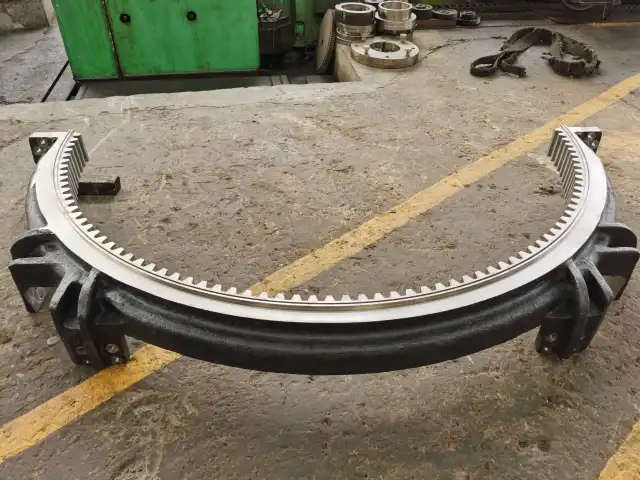
Strong gearing systems are needed for rotary kilns to keep precise spinning control even when conditions are rough. There is usually a big girth gear (also known as a ring gear) on the kiln shell and a strengthened pinion gear that is powered by an electric motor through a reduction gearbox. This open-gearing system works at very low speeds, usually between 0.5 and 5 RPM, but it can transfer torques of more than a few million Newton-metres in big cement kilns.
Components and Integration
The girth gear is attached to the kiln shell using either spring-plate mountings or bolted links that can handle the shell's oval shape and heat expansion. The pinion fits into the girth gear teeth and transfers rotational force while adjusting for the kiln's huge rotating mass, which causes axial and radial runout. Unlike protected gears, these parts work in open spaces that are full of rough dust, radiated heat, and temperature changes that make lubrication systems work hard all the time.
Gear Types and Applications
Depending on their needs, industrial kilns use a variety of gear setups. Although spur gears are simple and easy to maintain, they make more noise. Progressive tooth contact in helical gears makes them easier to connect and can hold more weight, but they also create axial thrust forces that need strong bearing support. The module range is usually between 10 and 50, which is big enough to handle the huge bending loads these parts have to handle over many decades of use.
Design Principles for Harsh Environments
A well-designed kiln gear combines a number of different needs. Materials need to be able to withstand thermal stress and keep their shape over a wide range of temperatures. To spread contact loads equally and stop localised pitting and spalling, tooth profiles need to be optimised. Surface processes, such as induction hardening and carburising, make layers that are resistant to wear and tear, which makes parts last longer. These systems are designed to meet the requirements of AGMA 6014-A06 and ISO 6336. This makes sure that there are enough safety factors to prevent fatigue failure under the cycle loading conditions that happen during continuous kiln operation.
Signs Your Rotary Kiln Gear System Needs an Upgrade
If you notice the signs of degradation early, you can avoid emergency shutdowns that throw off production plans and make repair costs go through the roof. Visual checks, vibration analysis, and lube tests are all parts of modern predictive maintenance plans that find problems before they get so bad that they break the kiln gear system.
Common Failure Symptoms
One of the first signs is noises that don't seem normal. When teeth that are supposed to fit together wear down unevenly, the contact becomes shaky, making grinding sounds or metallic hits that don't happen normally. Changes in amplitude and frequency can be picked up by vibration tracking equipment as signs of misalignment or tooth damage that goes beyond what is accepted.
When teeth are looked at closely, they often have darkening on the sides where the grease has worn away, letting metal touch metal. Pitting shows up as small depressions on the tooth's surface where repeated stress cycles are stronger than the material's wear strength. Scuffing looks like a score that goes in the same direction as the tooth motion, which means that the grease film isn't thick enough for the loads and temperatures that are being used.
Root Causes and Troubleshooting
One of the most common reasons things break is not enough grease. For open gearing systems to keep the oil films on the meshing teeth in good shape, spray or drip systems are needed. The protection layer goes away when valves get clogged, pump pressure drops, or lubricant breaks down thermally. This greatly speeds up wear.
Poor placement at the start causes problems that keep happening. When the pinion and girth gear are not lined up correctly, the loads are concentrated on the tooth edges instead of being spread out across the whole face width. Even a small shift of less than one degree can shorten the life of a gear by 50% or more by putting stress on the edges and starting wear cracks before they should.
Overloading happens when changes to the process make the kiln feed rates or material densities higher than what was planned. Shock loads from material avalanches inside the kiln create impact forces that are higher than the breaking strength of gear teeth. This can cause damage right away or start fatigue cracks that spread over time.
Preventive Maintenance Strategies
Setting up regular check plans makes it easy for engineering teams to keep track of how wear is progressing. Visual checks once a month: take pictures of the surface of teeth to record their conditions. This creates a standard that shows how quickly Kiln Gear is wearing down. Measurements of vibration taken every three months find worn-out bearings and problems with tooth contact before they become noticeable.
Maintenance on the lubrication system needs extra care. To keep the right covering patterns, spray tubes need to be cleaned. Testing the viscosity of oil makes sure that the fluid hasn't broken down due to heat. Filtration systems get rid of rough particles that wear down tooth surfaces faster when they get stuck in the oil film during meshing cycles.
Comparing Kiln Gear Options to Make an Informed Decision
When choosing new kiln gears, you have to balance the need for high technical performance with the need to stay within budget and meet delivery dates. Knowing about the qualities of materials, how they are made, and differences in design helps procurement teams choose parts that will last the longest in the circumstances they will be used in.
Material Selection Considerations
Most girth gears are made of ductile iron or cast steel types like AISI 4140, which are easy to machine and weld for fixes in the field. The big diameters—often 3 to 6 metres—that industrial kilns need can be accommodated by cast building, which also keeps production costs low. For the relatively low surface forces that the larger-diameter component faces, the material is strong enough.
Because they have a smaller width, pinion gears need higher-performance materials because they focus contact stresses. Forged alloy steels, such as 17CrNiMo6 or SAE4340, have better grain structure and functional qualities than cast steels. Using heat to do things like carburising, cooling, and tempering makes the surface harder (up to 58–62 HRC) while keeping the core tough and flexible so it can handle shock loads and fatigue cracks spreading.
Here are the material advantages that influence long-term performance and maintenance costs:
- Cast steel girth gears are a good compromise between original cost and longevity for most uses. The material is easy to work with, which makes it easier to fix the tooth shape during repair. Welding can still be used to fix damage, but cracks don't form in areas that have been heated up too much or cooled too slowly.
- Forged alloy steel pinions justify the longer service life through extended service life. The superior metallurgical structure resists pitting and scuffing under boundary lubrication conditions common in open gearing. Differential hardness between the pinion and girth gear—typically 30-50 Brinell points—protects the more expensive, difficult-to-replace ring gear by concentrating wear on the smaller, more easily exchangeable pinion.
- Advanced surface treatments including hard chrome plating and phosphating enhance wear resistance beyond base material capabilities. Chrome plating creates an ultra-hard surface layer that reduces friction and resists corrosive attack in chemical processing environments. Phosphating improves lubricant adhesion and provides initial break-in protection during commissioning.
These choices about materials affect how long a part actually lasts because they affect how it is used. When working with corrosive materials, plants may focus on processes that prevent rusting, while when working with abrasive dust, they focus on surfaces that don't wear down as quickly and on better seals.
Sizing and Tooth Design Optimisation
The transferred torque and the desirable safety factors determine which kiln gear module to use. When modules get bigger, the teeth get bigger, which gives them more bent power and contact area to spread loads. But teeth that are too big lower the number of teeth in simultaneous mesh, which makes noise and vibration worse. These factors are balanced by engineering analysis, which tells us that the best module numbers for most industrial kiln gear uses are between 10 and 50.
System Integration Considerations
Other parts of the kiln, like support tyres, trunnion bearings, and adjustment systems, work with the gearing parts. The way the girth gear is mounted has to take into account how the kiln shell expands when it gets hot, without putting stress on the teeth and changing their shape. Spring-plate shapes let you control radial movement while keeping the drive for spinning. When the shell temperature gets too high during operation, the leaf spring mountings stop heat from moving, which protects the integrity of the gear rim.
Conclusion
Upgrading your rotary kiln's turning system is a strategic investment in production reliability and operational efficiency. If you can spot early warning signs like strange noises, strange wear patterns, and a loss of lubrication, you can plan replacements proactively rather than responding to emergency failures. Careful choice of materials, including cast steel and forged alloys; accurate sizing based on real working loads; and supplier partnerships that stress quality certifications all make sure that improvements provide years of reliable service. Modern manufacturing techniques, such as advanced heat treatments and precise grinding to ISO grade 5-6 standards, make the kiln gear perform better than the original equipment. This makes the investment worthwhile because it saves money on maintenance costs and keeps your facility running longer.
FAQ
1. How often should kiln gearing systems be inspected?
Every month, you should look at the surface of your teeth and write down any problems you see. You should be looking for pits, scuffs, or other strange wear patterns. By measuring vibrations every three months, problems with bearings and meshing can be found before they can be heard. Every year, full checks are done that include analysing the grease and measuring the thickness of the teeth to see how the wear is building up. Operating conditions affect the best times. For example, kilns that handle rough materials or run at high utilisation rates need to be checked more often.
2. What causes most kiln gear failures?
Breakdown of the lubrication is the main cause of kiln gear failure. When contaminants get stuck in spray tubes, coverage is reduced. When heated, lubricant breaks down and loses its insulating qualities. When teeth are installed incorrectly, loads are concentrated on the edges of the teeth, which greatly speeds up wear. When process changes overload a system beyond its designed torque capacity, teeth bend or roots crack.
3. Can kiln gears be customised for unique applications?
Module, tooth count, face width, and materials can be changed by manufacturers who offer real customisation to meet unique needs. Custom surface finishes and heat processes are used to deal with problems that are unique to the surroundings. With reverse engineering, old parts can be replaced when the original specs are not available. Low minimum order amounts and production options make it possible for custom projects to be made with just one unit.
Partner with YIZHI MACHINERY for Your Kiln Gear Upgrade
YIZHI MACHINERY has been designing accurate Kiln Gear upgrades for cement, mining, and chemical processing businesses around the world for 15 years. We can make Kiln Gears out of materials ranging from 42CrMo to 18CrNiMo7, with precision grades that meet ISO 5-6 standards. We can also customize the surface processes, such as hard chrome finishing and carburizing, to fit your needs. We offer full customization, from analyzing your needs to creating detailed design plans and then manufacturing using cutting-edge CNC gear grinding centers. We also do thorough quality checks and offer safe global shipping with real-time tracking. As a reliable Kiln Gear provider, our technical team offers design advice before the sale, real-time reports on production, and a one-year warranty with quick response support. If you need a single replacement pinion or whole girth gear assemblies, we can make them. Our 35–60 day production plans and flexible order numbers can handle both scheduled repair windows and pressing needs. Contact us at sales@yizmachinery.com about your specific application needs and get a full technical plan that explains how our precision Kiln Gear solutions will improve the reliability of your operations.
References
1. American Gear Manufacturers Association. (2006). AGMA 6014-A06: Gear Power Rating for Cylindrical Shell and Trunnion Supported Equipment. Alexandria, VA: AGMA Publications.
2. International Organization for Standardization. (2019). ISO 6336: Calculation of Load Capacity of Spur and Helical Gears. Geneva: ISO Standards Catalogue.
3. Dudley, D.W. (1994). Handbook of Practical Gear Design and Manufacture. Boca Raton, FL: CRC Press.
4. Cement Industry Technical Conference. (2018). Proceedings: Rotary Kiln Drive Systems and Maintenance Optimization. IEEE/PCA Joint Technical Meeting, St. Louis, Missouri.
5. Townsend, D.P. (Editor). (1991). Dudley's Gear Handbook: The Design, Manufacture, and Application of Gears. New York: McGraw-Hill Professional.
6. Khurmi, R.S. & Gupta, J.K. (2005). Machine Design. New Delhi: Eurasia Publishing House, Chapter 12: Design of Spur Gears and Helical Gears for Heavy-Duty Applications.

USER EVALUATE
Here is the customer's evaluation of us