


How to Find the Best Worm Gearbox Parts Manufacturer for Your Needs
Before you can find the right maker for Worm Gearbox Parts, you need to know exactly what you need them for and how well you expect them to work. Worm Gearbox Parts are carefully put together units that move and apply power at right angles by using a special sliding system between the worm shaft and wheel. During the decision process, the quality of the materials, the accuracy of the manufacturing, the ability to make changes, and the help after delivery must all be carefully considered. Working with a manufacturer that has technical know-how, consistent quality standards, and dependable delivery schedules can help you cut down on operational downtime and total cost of ownership while also making equipment last longer and work more reliably, whether you work in industrial machinery, mining, or aerospace.
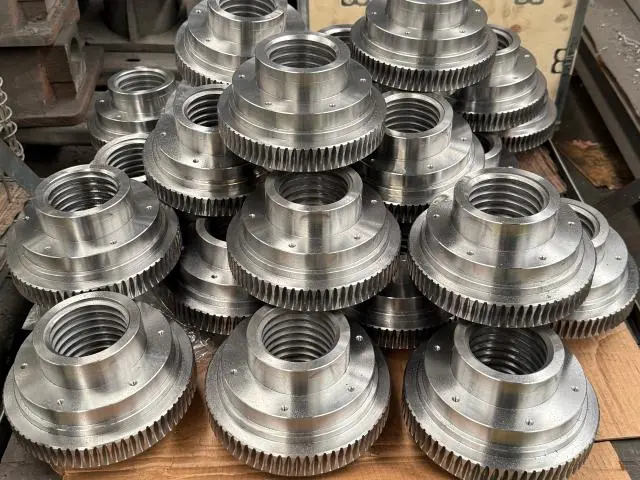
Understanding Worm Gearbox Parts and Their Importance
One of the smallest and most effective ways to get high reduction ratios in tight areas is to use worm gear systems. These mechanical systems are made up of many interconnected parts that work together to send power smoothly and reliably.
Core Components of Worm Gear Systems
There is a tapered rod inside the worm, which is usually made of hardened alloy steel like AISI 4140 or 20CrMnTi. To get a surface hardness of 58 to 62 HRC, this part goes through a lot of tough heat treatments, such as carburising, cooling, and hardening. The worm wheel, on the other hand, is made of softer bronze alloys or other materials that keep the sliding contact that makes worm gears work from causing friction and galling. There are also accurate bearings that support the shaft's movement, housing pieces that keep it in place, and seals that keep lubricants in and keep contaminants out.
Material Selection and Performance Impact
The materials utilised considerably impact the way worm gear assemblies function. The worm shaft is made of high grade of alloy steels for strength and wear resistance. The friction needed for the wheel to effectively transmit power is provided by bronze alloys. Also, SAE4340, 42CrMo, 18CrNiMo7 and the like advanced mixes are superior load bearing and wear resistance. Hard steel worms mated with softer bronze wheels wear in a sacrificial pattern protecting the more expensive steel section and keeping the machine working smoothly. You want to make this tribological connection work for your application . Specify carefully the torque , speed and ambient variables .
If procurement staff are aware of these simple notions, they can better assess the capability of the manufacturer. A supplier with a strong understanding of material science, heat-treatment procedures, and precision machining processes such as hobbing, milling, and grinding has the technical capabilities to produce parts that fulfil demanding operating requirements.
Key Criteria to Evaluate When Choosing a Worm Gearbox Parts Manufacturer
There are several things to consider when choosing a production partner that will impact the quality of the product, the reliability of delivery and the long term value.
Quality Standards and Certifications
ISO compliance is needed for uniform quality in production of Worm Gearbox Parts. If a company is ISO 9001 compliant, they have defined procedures for inspecting raw materials, quality checks during production and a final inspection. Verify that the supplier adheres to any extra criteria beyond basic certification, such as AGMA standards for gear accuracy or industry-specific procedures that are critical to your organization. Precision grade specifications (ISO 8-9 Grade, etc.) indicate the manufacturer’s capability to control mistakes in crucial areas (tooth profile, pitch accuracy, surface smoothness, etc.).
Customization and Engineering Support
Off-the-shelf components are usually not tailored to industrial needs. They deal with a manufacturer that can provide full customisation so they are able to alter the teeth count, module range (1 to 50) and the choice of material and heat treatment procedures to suit your particular working demands. The ability to manufacture one offs or small quantities provides you choices to build prototypes, replace broken goods fast or use the product in new ways. Consulting engineers at the specification process can assist discover the optimal mixes of speed, reliability and cost. Look for producers that provide technical drawings, design confirmation and ideas based on specific applications as part of their pre-sales assistance.
Lead Times and Supply Chain Reliability
Your operational planning and inventory management strategies are directly affected by the production schedules you use. Reputable makers are open and honest about lead times, which can be anywhere from 35 to 60 days based on the complexity of the order and the level of customisation needed. When buying from other countries, where logistics planning, customs clearance, and transportation issues can cause delays, supply chain stability is even more important. When it comes to meeting your needs, manufacturers who offer multi-channel transport solutions that include sea freight, air shipping, and rail options give you more options. Real-time tracking tools that let you see what's happening from the end of production to the final delivery cut down on uncertainty and make planning easier.
Together, these evaluation factors show which makers have the technical know-how, operational maturity, and customer focus to be dependable business partners for a long time. In general, companies that are strong in all three areas usually offer more value than just the original buy price.
Comparing Worm Gearbox Parts Manufacturers and Suppliers
There are a lot of manufacturers in the world, from well-known international names to small, specialised regional companies. Each has its own benefits for different types of purchases.
Reputation and Track Record
Over the years a firm builds its reputation with steady performance and delighted consumers. SEW, Bonfiglioli, Nord and Sumitomo are well recognised brands since they developed innovative engineering concepts and offered superior goods for many years. For example, bespoke gear producers generally have more alternatives, faster turnaround, and lower rates on specially made solutions. Read customer evaluations, case studies and industry samples to see how potential suppliers operate in the real world. They demonstrate the ability to satisfy stringent quality and complex criteria in demanding fields such as aerospace, mining and heavy industrial equipment.
Product Range and Spare Parts Availability
With a wide range of products, a manufacturer can show that they are flexible and knowledgeable in many areas. Complete component kits from suppliers that include worms, wheels, bearings, housings, and seal assemblies make it easier to buy things and make sure that the parts will work together. Having replacement parts and maintenance parts on hand is important to keep equipment running as smoothly as possible during routine maintenance or when it breaks down unexpectedly. Check to see if makers keep popular configurations in stock or can speed up the production of custom parts when time is of the essence.
Warranty Coverage and Service Commitments
Manufacturers' warranty policies show how confident they are in the quality of their products and protect buyers financially in case of defects or early failures. Standard covering usually lasts between one and three years and covers both material and production flaws. In addition to the warranty terms, you should also look at how quick the technical support is, how easy it is to get upkeep help, and how simple it is to file a claim. When companies back up their goods with full service guarantees, they show that they want to build partnerships, not just business ties.
Make a structured evaluation matrix that gives each possible provider a score on these aspects so you can compare them. This methodical approach helps you find the makers whose goals and level of risk you are most comfortable with.
Decision-Making Guide: Matching Manufacturer Capabilities with Your Business Needs
To make good purchasing decisions, you need to be able to clearly see how the manufacturer's skills match up with your specific application needs.
Industry-Specific Application Requirements
Worm gear sets have to meet different needs in different industries. Mining equipment works in harsh conditions with high shock loads, rough materials, and limited access for maintenance. This means that its Worm Gearbox Parts need to be very durable and resistant to wear. For regulatory compliance, aerospace uses put a high value on reducing weight, maintaining tight standards, and keeping track of paperwork. Different types of industrial machinery, like lifts, lifting equipment, machine tool indexing, and automated production lines, have their own unique sets of torque, speed, duty cycle, and environmental factors. Manufacturers who specialise in your field have a lot of experience choosing materials, making designs work better, and testing their performance that general sellers can't match.
Technical Specification Evaluation
When selecting a supplier, it is crucial to make sure that critical performance characteristics are satisfied. The correctness of the gear tooth profile has a direct influence on the operation, noise and life of the gearbox. The load capacity estimates should include sufficient safety margins for the maximum torque and shock conditions in your application. The surface hardness of 58 to 62 HRC indicates that heat treatment was properly done. Lubrication compatibility means some components will operate with your standard service procedures. Request full technical documentation including material certifications, dimensional inspection reports and performance test data to verify that the claimed specifications are consistent with actual production capabilities.
Inquiry and Sample Request Process
Structured inquiry processes make evaluating vendors easier and cut down on the time it takes to make a choice. Start by writing down specifics about your application's features, performance needs, quantity requirements, and expected release date. To make accurate cost comparisons, ask for quotes that list the costs of materials, processing, tooling for custom configurations, and shipping. For important uses or new source ties, ask for physical samples or prototype units to test out firsthand in real-world settings. This step of proof shows quality traits that specs alone can't fully catch, such as the quality of the finish on the surface, the accuracy of the assembly, and the smoothness of operation.
By using this organised evaluation process, choosing a supplier becomes less of a guessing game and more of a data-driven decision-making process that lowers procurement risk and raises value realisation.
After-Sales Support and Long-Term Partnership Considerations
Your relationship with your manufacturing partner goes far beyond the initial delivery. The success of the project depends on how well they support you in the future.
Technical Assistance and Maintenance Guidance
Having expert counsel gives us better methods to install, run and repair parts.” Technical manuals that include thorough specs, assembly instructions, lubrication schedules and troubleshooting suggestions may help your maintenance teams get the most from your equipment’s performance and service life. For example, when concerns or difficulties do come up, manufacturers that offer responsive communication channels like phone assistance, email help, and online tools may cut down on downtime. Some vendors offer installation assistance on your location, or training programs to give your operations personnel specialist abilities.
Replacement Parts and Rapid Response
Failures of equipment rarely happen at convenient times for businesses or give advance notice. Companies that keep a supply of popular replacement parts on hand and can speed up production for urgent orders are very helpful in emergency scenarios. Unplanned outages last less time when ordering is streamlined, payment terms are open, and procedures are carried out reliably. Building partnerships with suppliers who put long-term relationships with customers ahead of making quick profits protects your production schedules and increases operational resilience.
Communication and Relationship Management
Clear, effective communication builds trust and makes it easier to solve problems before they become big problems. Regular reports on the progress of production, the results of quality checks, and the location of shipments of Worm Gearbox Parts give people peace of mind and a clear picture of what's going on. Manufacturers who see their customers as long-term partners work to build relationships with them by providing responsive service, committing to continuous improvement, and being open to changing customer needs. This way of working together creates value for everyone that lasts over many projects and years of working together.
Conclusion
When selecting the top worm gear assembly maker, there are several aspects to consider such as their specific expertise, quality systems, capacity to make adjustments, reliability of delivery and focus on developing partnerships. The finest buying results occur when buyers take the time to properly assess, convey precise specifications and develop relationships with providers that really care about their customers’ success. By following the steps in this guide for a systematic assessment, procurement experts can be confident that the manufacturing partners they choose will be able to provide precise parts that enhance equipment performance, reduce downtime, and provide better long-term value for demanding applications in mining, aerospace, industrial machinery and other fields.
FAQ
1.What kinds of materials work best for different worm gear applications?
What materials you choose will depend on your working conditions and performance objectives. In tough situations, hardened alloy steels like 20CrMnTi, AISI 4140, and 42CrMo are great for worm shafts because they don't wear down easily and can hold a lot of weight. Bronze metals have the best rubbing properties for worm wheels, which keeps them from galling and lets them transfer power efficiently. Premium metals like SAE4340 are good for heavy-duty mining and industry equipment because they can handle shock loads and rough conditions. For aerospace applications, lighter materials that are still strong enough may be needed. Figuring out these connections helps you choose parts that will last and work well in the conditions you're using them in.
2.How can I be sure of a company's high standards?
Ask for proof, like ISO 9001 approval, material test results, data from dimensional inspections, and records of heat treatment verification. Reputable makers are open about how they check the quality of their products, from making sure the raw materials are correct to doing the final inspection. By asking for actual samples, you can check the quality of the surface finish, the accuracy of the dimensions, and the precision of the assembly with your own hands. Read customer reviews and case studies that show how the application has worked well in similar fields to yours. When manufacturers are sure of their abilities, they welcome specific technical questions and give full answers backed up by facts.
3.How long does the wait time usually take for special parts?
Production times depend on how complicated the order is, how much customisation is needed, and how busy the factory is at the moment. Standard setups usually ship between 35 and 45 days, but highly customised specs that need special tools or materials may take up to 60 days. When manufacturers keep popular parts in stock, they can sometimes meet urgent requests by speeding up production. Clear communication during the quotation phase sets reasonable expectations for delivery and lets you make plans accordingly. Reliable providers stick to the dates they say they will and let you know ahead of time if something comes up that changes the plans.
Partner with YIZHI MACHINERY for Superior Worm Gear Solutions
YIZHI MACHINERY has been making precision worm gear parts for fifteen years and has served demanding customers around the world in the mining, aircraft, and industrial machinery sectors. Our ISO-compliant factories use cutting-edge CNC machining centers, automated gear grinding tools, and smart heat treatment systems to make sure that the parts they make meet the strict ISO 8-9 Grade precision standards. We manufacture Worm Gearbox Parts from high-quality alloys like 20CrMnTi, AISI 4140, and SAE4340. These are worked on by cutting, hobbing, milling, and grinding until the surface is 58 to 62 HRC. Our full range of customisation options works with modules from 1 to 50, and our minimum order numbers are open enough to allow for production of just one unit. With delivery times between 35 and 60 days, customised packing, multi-channel logistics, and real-time package tracking, you can be sure that your parts will arrive safely and on time. In addition to production, we offer full professional support, the creation of plan drawings, quality documentation, a one-year warranty, and quick help after the sale. As a specialist in Worm Gearbox Parts, we ask purchasing managers and engineering teams to contact us at sales@yizmachinery.com to talk about their unique needs and discover the quality, service, and dependability that make YIZHI stand out.
References
1. American Gear Manufacturers Association. (2019). AGMA 6034-B92: Practice for Enclosed Cylindrical Wormgear Speed Reducers and Gearmotors. Alexandria, VA: AGMA Publications.
2. Budynas, R. G., & Nisbett, J. K. (2020). Shigley's Mechanical Engineering Design (11th ed.). New York, NY: McGraw-Hill Education.
3. Drago, R. J. (2018). Fundamentals of Gear Design. Warrendale, PA: Society of Automotive Engineers International.
4. International Organization for Standardization. (2013). ISO 2544: Cylindrical Worm Gears – Modules and Diametral Pitches. Geneva, Switzerland: ISO Standards.
5. Stadtfeld, H. J. (2021). Advanced Gear Engineering. Warrendale, PA: SAE International Publications.
6. Townsend, D. P. (2017). Dudley's Handbook of Practical Gear Design and Manufacture (3rd ed.). Boca Raton, FL: CRC Press.

USER EVALUATE
Here is the customer's evaluation of us