


How to Choose the Right Planet Gear Carrier for Gearboxes
To pick the right Planet Gear Carrier, you must first understand how important it is for distributing power, keeping loads even, and maximizing mechanical efficiency in planetary gearboxes. The Planet Gear Carrier is the structure's spine. It keeps the planet gears flawlessly lined up and handles tall bending loads and rotational strengths whereas the machine is running. Gearbox clamor, solidness, vitality proficiency, and support costs in mechanical instruments, mining gear, and flying machine depend on carrier determination. When acquirement supervisors and engineers choose the off-base carrier, gears wear down early, causing downtime and over the top substitution costs. B2B buyers of planetary equip framework carriers must consider specialized and commercial issues in this direction. Useful requests, fabric determinations, quality guidelines, and provider assessment criteria affect execution over time and add up to fetched of possession. When buying excavator last drives, wind turbine yaw frameworks, or exact mechanical joints, knowing these things will offer assistance you make sensible choices that fit your requests and budget.
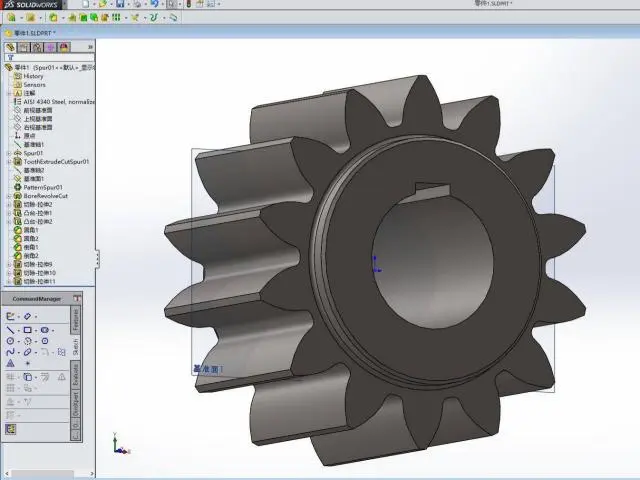
Understanding Planet Gear Carriers and Their Functions
The Structural Role in Planetary Gearboxes
In planetary gear systems, the Planet Gear Carrier supports multiple planet gears situated between the sun gear and the ring equip whereas turning as a single gathering. It exchanges torque from the adapt set to the yield shaft or gets torque in lessening frameworks. Carriers must withstand rotational loads, hub pushed, and twisting push caused by uneven stack conveyance. High-precision carrier plans keep up precise dividing and arrangement of planet pins, guaranteeing rise to stack sharing between gears and anticipating untimely wear that can essentially abbreviate gearbox benefit life.
Mechanical Components and Interaction
A standard Planet Gear Carrier system includes the carrier body, planet pins or shafts, orientation, and holding components. The carrier body gives auxiliary solidness and bolsters tall torque transmission. Planet pins must stand up to twisting that might misalign gears and make edge stacking on tooth surfaces. Bearing choice emphatically influences contact and warm era. Needle heading offer tall stack capacity in compact spaces, whereas roller orientation give superior resilience to misalignment. Cutting edge carrier plans moreover incorporate inner oil channels that disperse oil straightforwardly to heading amid high-speed operation.
Common Carrier Design Types
Solid carriers fabricated from single forgings or castings give greatest inflexibility and quality beneath overwhelming loads, making them reasonable for mining and mechanical gearboxes. Part carriers, collected from different areas, disentangle upkeep since planet gears can be supplanted without expelling the whole gathering. Measured carrier plans permit adaptable arrangement changes for distinctive decrease proportions and torque prerequisites. These versatile frameworks offer assistance to OEM producers serve numerous applications effectively whereas keeping up solid execution over distinctive working conditions and mechanical environments.
Criteria for Choosing the Right Planet Gear Carrier
Defining Operational Requirements
Selecting the correct Planet Gear Carrier requires assessing torque loads, stun conditions, obligation cycles, and natural components. Mining and development gear regularly encounter overload loads surpassing twice their typical torque, requiring tall security variables in carrier plan. Destructive situations may require defensive coatings such as phosphating or difficult chrome plating. Extraordinary working temperatures moreover, impact fabric choice. Steel process applications require materials that keep up hardness at high temperatures, whereas aviation frameworks require materials safe to delicate failure amid low-temperature operation at high altitudes.
Critical Selection Metrics
Carrier determination depends on stack capacity, fabric quality, dimensional precision, and compatibility with the gearbox framework. Fashioned amalgam steels such as 42CrMo and AISI 4140 give malleable qualities over 900 MPa, making them appropriate for overwhelming mechanical applications. Exact stick gap situating inside tight resiliences guarantees adjusted stack sharing between planet gears. Legitimate concentricity and perpendicularity between mounting surfaces and stick bores anticipate vibration, uneven equip fitting, and quickened bearing wear. These dimensional controls are basic for keeping up long-term gearbox unwavering quality and operational stability.
Matching Carriers to Application Needs
Heavy industrial systems such as cement mills and mining conveyors require forged and heat-treated Planet Gear Carrier designs focused on strength and impact resistance. Precision equipment including robotics and machine tools requires ISO 5–6 accuracy grades and high surface hardness to achieve smooth motion and minimal backlash. Electric drive systems benefit from low-friction bearings and cooling channels that maintain efficiency above 97%. Aerospace applications require lightweight, high-strength carriers with strict quality standards, complete material traceability, and advanced non-destructive inspection methods to ensure operational safety and reliability.
Comparative Analysis of Planet Gear Carrier Options
Material Trade-offs and Performance Characteristics
Steel alloys remain the primary material choice for Planet Gear Carrier applications because of their high strength and fatigue resistance. Carbon steels such as 45# are cost-effective for moderate-duty equipment, while alloy steels like 20CrMnTi and SAE4340 provide superior hardenability and wear resistance. Advanced nickel-chromium-molybdenum alloys improve toughness and low-temperature performance in demanding applications. Cast nodular iron offers vibration damping and lower production costs, but its lower tensile strength limits its use in heavy-duty industrial systems compared to forged alloy steel alternatives.
Heat Treatment and Surface Finishing Impact
Heat treatment significantly improves the durability and mechanical properties of Planet Gear Carrier components. Carburizing creates hard wear-resistant surfaces with tough internal cores capable of absorbing impact loads. Quenching and tempering optimize the balance between strength and toughness, while induction hardening strengthens selected areas such as splines and bearing surfaces. Surface finishing methods also improve corrosion resistance and lubrication performance. Phosphating enhances lubricant retention, while hard chrome plating reduces friction and provides superior protection in corrosive industrial and marine environments where operating conditions are especially severe.
Supplier Evaluation Considerations
Reliable suppliers demonstrate strong manufacturing capability through certifications, engineering support, and advanced inspection systems. ISO 9001 certification confirms established quality management processes, while industry-specific certifications indicate compliance with stricter standards. Suppliers equipped with precision machining centers, grinding equipment, coordinate measuring machines, and non-destructive testing systems can maintain accurate dimensions and material quality. Manufacturers offering engineering support, finite element analysis, and application optimization help ensure Planet Gear Carrier designs meet operational requirements and deliver reliable long-term performance in demanding industrial applications.
Common Issues and Maintenance Tips for Planet Gear Carriers
Identifying Potential Failure Modes
Wear on planet pins and bearing surfaces often indicates poor lubrication, overload conditions, or contamination inside the gearbox. Excessive wear creates clearance that affects gear alignment and accelerates component damage. Misalignment problems appear as abnormal noise, increased vibration, and uneven tooth wear patterns. Structural cracks commonly form near pin holes or mounting locations where stress concentrations are highest. Early detection through inspections is important because uneven load sharing between gears can quickly reduce gearbox reliability and lead to serious operational failures if left uncorrected.
Preventive Maintenance Best Practices
Preventive maintenance programs for Planet Gear Carrier systems should include regular visual inspections, vibration monitoring, lubricant analysis, and oil sampling. Analytical testing methods such as spectrographic analysis and ferrography identify wear particles that reveal developing component problems. Maintaining lubricant cleanliness is critical because contamination from water, dust, or chemical breakdown accelerates wear and corrosion. Filtration systems should be monitored and serviced regularly, while lubricant replacement intervals must follow manufacturer recommendations to maintain proper protection under high-load and high-temperature operating conditions.
Troubleshooting and Repair Strategies
Unusual gearbox noises often indicate developing problems with bearings or gear meshing. Rumbling sounds typically suggest bearing damage, while whining noises may indicate alignment or carrier deflection issues. Elevated operating temperatures can result from poor lubrication, excessive friction, or overload conditions beyond design limits. Repair decisions depend on damage severity. Minor wear on pin surfaces may be corrected through grinding and re-hardening, but cracked or heavily worn Planet Gear Carrier components generally require complete replacement. Using OEM replacement parts ensures compatibility, proper fit, and long-term gearbox reliability.
Procurement Guide: Where and How to Buy Planet Gear Carriers
Sourcing Options and Strategic Considerations
Direct cooperation with manufacturers provides advantages such as technical support, custom engineering, and lower costs by reducing distributor margins. Companies like YIZHI MACHINERY offer integrated services including design, machining, heat treatment, and quality inspection. Distributors remain useful when standard products are available locally and faster delivery is required. Online B2B sourcing platforms expand global purchasing options but require careful verification of certifications, manufacturing quality, and after-sales support. Strategic sourcing decisions should balance customization needs, lead times, pricing, and long-term service reliability.
Evaluating Supplier Capabilities
Evaluating suppliers requires reviewing both certifications and actual manufacturing capability. ISO 9001 certification confirms quality systems, but buyers should also verify inspection equipment, non-destructive testing methods, and precision machining capacity. Manufacturers capable of achieving ISO 5–6 accuracy grades generally possess advanced CNC machining and grinding technology. Strong customization capabilities are also important for specialized applications. YIZHI MACHINERY follows a structured process that includes technical consultation, drawing confirmation, precision manufacturing, quality inspection, and export packaging to ensure reliable Planet Gear Carrier production for international customers.
Building Supplier Partnerships
Long-term supplier relationships create value beyond individual purchases by supporting technical collaboration and continuous product improvement. Suppliers familiar with customer operations can recommend better materials, optimized designs, and advanced technologies that improve performance and reduce costs. Stable partnerships may also provide better pricing, priority production scheduling, and dedicated engineering support. Clear communication regarding technical drawings, dimensional standards, inspection requirements, and packaging specifications is essential, especially for international procurement projects where shipping protection and accurate documentation directly affect delivery quality and project success.
Conclusion
To choose the best Planet Gear Carrier, you need to carefully consider the mechanical needs, material qualities, manufacturing quality, and the supplier's skills. Technical details like load capacity, precision grades, material makeup, and heat treatment must match the needs of industry tools, mining operations, and aerospace systems. Checking the quality of parts by measuring them, checking the materials, and looking at them without damaging them makes sure they meet safety and performance standards. Strategic relationships with suppliers give engineers the help, customization options, and dependable shipping that are necessary for operations to run smoothly. By using the selection criteria, comparison analysis, and buying strategies explained in this guide, business-to-business buyers can improve gearbox performance, lower costs over their entire lifecycle, and build supply relationships that will give them a long-term competitive edge.
FAQ
1. What factors most significantly affect carrier durability?
The basic strength and wear resistance of a material depend on how it is chosen and heated. With the right amount of carburizing, carriers made from alloy steels like 42CrMo or AISI 4140 can get a surface hardness of 58 to 62 HRC while keeping tough cores that can handle impact loads. Precision production that keeps the pin hole positional accuracy within 0.015mm makes sure that the load is evenly distributed among the planet gears, which keeps any one of them from breaking early from being overloaded. By reducing wear and rust, good lubrication systems and pollution control make equipment last longer.
2. Can carriers be customized for specialized applications?
Modern makers let you choose the material, the size, and the way the interfaces are set up, among other things. Custom cases can fit different mounting needs, different ways of arranging gear, and certifications that are specific to the business. Forging, CNC machining, hobbing, milling, and grinding are some of the manufacturing methods that can make complicated shapes and tight standards possible. Different ratio needs can be met by modules with tooth counts ranging from 0.5 to 50 and unique tooth counts. Production skills allow for both mass production and making samples in a single unit.
3. How do I verify supplier quality capabilities?
Ask for proof of quality certifications, such as ISO 9001 and standards related to the business. Find out what kinds of inspection tools they have, like coordinate measuring machines for checking measurements and non-destructive tests for making sure the material is solid. Check the heat treatment facilities and methods to make sure they meet the required hardness levels. Ask for examples from customers who have used similar products and ask for samples that show the quality of the making and the standard of the surface finish.
Partner With YIZHI MACHINERY for Precision Planet Gear Carrier Solutions
YIZHI MACHINERY has been making custom gears for 15 years and can provide Planet Gear Carriers that are designed to work in tough industrial settings. As a maker of only planet gear carriers, we help procurement teams in mining, aircraft, and industrial machinery production by providing parts that meet ISO 5-6 precision grades. Our manufacturing skills cover the whole production process, from forming high-strength alloy steels to precise cutting and specialized heat treatments like induction hardening and carburizing.
We create carriers from 42CrMo, AISI 4140, 20CrMnTi, and SAE4340 metals with surface hardnesses from 45 to 62 HRC, depending on the application. We use CNC gear machining centres, computerised grinding systems, and a variety of inspection instruments to ensure accurate specifications and solid material. To suit particular transmission demands, modules from 0.5 to 50 may be customised, pressure angles to 14.5° or 20°, and teeth numbers totally modified.
Along with high-quality manufacturing, we offer full technical support, such as design advice before the sale, coordinated production updates, and a one-year guarantee. Customized packing with damage-free guarantees, multiple shipping choices that balance cost and speed, and real-time tracking of shipments are all part of our logistics services. Production lead times of 35 to 60 days allow for custom requirements while keeping projects on schedule. You can contact us about your requirements, ask for technical models, or get full quotes for your next project by emailing sales@yizmachinery.com or visiting yizhimachinery.com.
References
1. American Gear Manufacturers Association. (2019). AGMA 6123-B06: Design Manual for Enclosed Epicyclic Gear Drives. Alexandria, VA: AGMA Publications.
2. Stadtfeld, H.J. (2014). Advanced Gear Engineering. Gleason Works Technical Publications.
3. ISO 1328-1:2013. Cylindrical Gears — ISO System of Flank Tolerance Classification — Part 1: Definitions and Allowable Values of Deviations Relevant to Flanks of Gear Teeth. Geneva: International Organization for Standardization.
4. Höhn, B.R., Michaelis, K., & Hinterstoißer, M. (2009). "Optimization of Gearbox Efficiency." Gear Technology Magazine, 26(4), 46-52.
5. Ligata, H., Kahraman, A., & Singh, A. (2008). "An Experimental Study of the Influence of Manufacturing Errors on the Planetary Gear Stresses and Planet Load Sharing." Journal of Mechanical Design, 130(4), 041701.
6. Norton, R.L. (2020). Machine Design: An Integrated Approach (6th ed.). Boston: Pearson Education.

USER EVALUATE
Here is the customer's evaluation of us