


How to choose the right bevel gear reducer for a conveyor system
To choose the best Bevel Gear Reducer for a conveyor system, you need to carefully think about the power needs, the working conditions, and the efficiency goals. A properly matched reducer saves the most energy, cuts down on downtime, and increases the life of equipment in mining, aircraft, and industrial gear. This guide tells you about important selection criteria, technical factors, and buying strategies that will help you make a smart choice that mixes performance with long-term value.
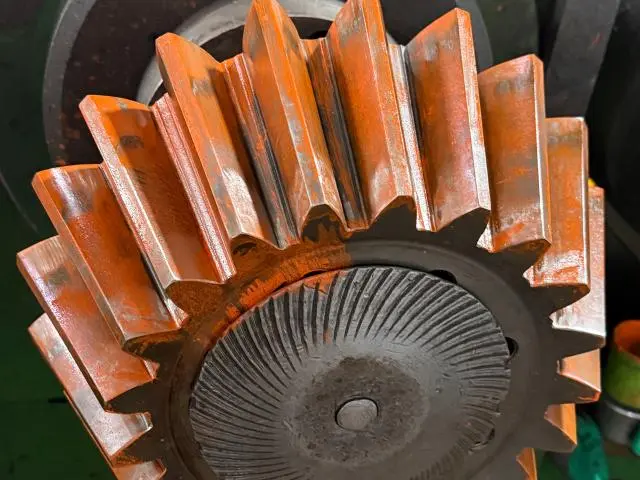
Understanding Bevel Gear Reducers and Their Role in Conveyor Systems
Bevel Gear Reducers are important angular transmission devices that change the spinning power's direction, usually by 90 degrees, while slowing down and boosting torque at the same time. These units make it possible for conveyor systems to make tight turns and move from vertical to horizontal motion without needing complicated connections or a lot of floor room. The basic design is based on cylindrical gear meshes that can handle shafts that cross each other. This is what makes them different from parallel shaft reducers, which are usually used in more traditional situations.
Straight vs. Spiral Bevel Gear Configurations
Straight bevel gears have teeth cut straight across the cone surface, causing sudden tooth engagement with higher noise and vibration. Spiral bevel configurations feature curved teeth engaging gradually, distributing loads across multiple teeth simultaneously. This design provides smoother conveyor operation, greater load capacity, and quieter performance. Spiral versions are preferred for high-duty-cycle conveyor systems in mining and distribution centres requiring sustained reliability and reduced maintenance interruptions.
Comparing Bevel Reducers Against Worm and Helical Alternatives
Worm gear reducers operate at 60-80% efficiency due to sliding contact generating significant heat in continuous-duty applications. Helical gear reducers achieve 95-98% efficiency but require parallel shaft alignment, limiting design flexibility. Bevel Gear Reducers fill this gap with 96-98% efficiency in right-angle configurations, saving energy and enabling versatile space utilisation. This efficiency advantage reduces electricity consumption and cooling requirements in facilities running multiple conveyor lines continuously.
Key Advantages Driving Conveyor System Adoption
Rolling contact between gear teeth reduces friction losses, maintaining lower operating temperatures under sustained loads. Compact housing designs fit confined installation areas where belt sorters change direction or vertical lifts transition to horizontal sections. Reversible capability enables bi-directional conveyor operation without mechanical modifications. These features make bevel reducers indispensable in automated material handling where space constraints and energy efficiency directly affect facility throughput and operating margins.
Core Criteria for Selecting the Ideal Bevel Gear Reducer
The first step in technical decision is to carefully look at how the machine will be used. Knowing the load factors, weather conditions, and duty cycle parameters will help you choose a Bevel Gear Reducer that works well in real life, not just in theory.
Analyzing Load Characteristics and Torque Requirements
Starting torque typically reaches 1.5-2.5 times running torque, requiring reducers capable of overcoming static friction with loaded belts. Heavy-duty mining conveyors need units designed for continuous high-torque operation with built-in shock load factors. Light industrial packaged goods conveyors can use standard-duty units with lower service factors. Proper torque matching prevents premature gear tooth wear and bearing failure that causes unplanned downtime. Accurate load profiling ensures reliable conveyor performance.
Evaluating Operating Conditions and Environmental Factors
Mining environments require superior sealing and robust housing construction to handle dust, temperature extremes, and vibration. Material selection becomes critical: 20CrMnTi alloy steel with carburising heat treatment achieves 58-62 HRC surface hardness, resisting degradation from contaminants. Lubricant viscosity selection depends on ambient temperature—high-temperature applications need synthetic oils maintaining film strength, while cold storage conveyors require low-viscosity lubricants preventing churning losses during startup. Proper environmental adaptation ensures reliable operation.
Energy Efficiency Evaluation and Cost-Saving Opportunities
A Bevel Gear Reducer at 96% efficiency versus a worm gear option at 65% efficiency delivers a 31% improvement in power transfer. In a facility with twenty 15-kW conveyor drives operating 6,000 hours annually, this efficiency gain saves approximately 279,000 kWh per year. Energy cost savings typically recover the higher initial investment within two to three years at industrial power rates, while also reducing building cooling system loads. Efficiency drives long-term operational savings.
Durability, Noise Control, and Maintenance Planning
ISO 8-9 precision grades with Gleason profile grinding provide superior tooth contact patterns distributing load uniformly along the tooth flank. Precision manufacturing reduces vibration and extends bearing life beyond 50,000 hours in well-maintained installations. Quality spiral bevel reducers typically operate below 70-75 dB(A), eliminating acoustic enclosure requirements. Maintenance planning: initial oil change at 500 hours, then every 2,500 hours for mineral oils and 20,000 hours for synthetics, significantly reducing service visits and labour costs.
Matching Bevel Gear Reducer Types to Conveyor System Needs
For effective specification, the powers of the Bevel Gear Reducer must be matched with the needs of the individual conveyor application. This matching method finds the best mix between technical needs, supplier skills, and price limits.
Selecting High-Torque Units for Heavy-Load Applications
Mining and aggregate processing conveyors need reducers designed for sustained high-power transmission. Spiral bevel designs with multi-tooth contact distribute loads across larger surface areas, resisting shock loading from uneven material feeds. Units with 1.75-2.0 service factors handle variable loads from start-stop cycles and emergency stops under full load. Output shafts and bearing arrangements must manage combined radial and axial loads from belt tension and material weight, requiring oversized bearings and robust housing structures maintaining shaft alignment under deflection.
Compact Designs for Space-Constrained Installations
Right-angle bevel configurations naturally occupy less footprint than straight designs with direction-changing mechanisms. Manufacturers offering customised mounting flange designs and shaft configurations enable direct connection to existing conveyor frames, eliminating expensive adapter mounts. Custom gear modules from 0.5 to 50 allow precise ratio matching for desired belt speeds without enlarging the drive package. This adaptability proves especially valuable in retrofit projects with limited space for standard component replacement.
Avoiding Oversizing and Undersizing Pitfalls
Oversized reducers operate below optimal load range, causing gear tooth contact patterns to shift toward flanks rather than centering. This misalignment accelerates wear and increases noise from improper meshing. Oversizing also raises initial costs and no-load losses from oil churning and bearing friction. Undersized units constantly run near rated capacity, leaving no margin for temporary overloads, leading to overheating, accelerated wear, and premature failure. Optimal selection sizes the reducer for 70-85% of rated capacity during normal operation.
Comparing Established Suppliers and Emerging Specialists
Established brands like Siemens, SEW Eurodrive, and Bonfiglioli offer global service networks, extensive documentation, and proven performance across industries. Their standard product lines provide ready availability for common ratios and mounting configurations. Customisation typically requires longer lead times and premium pricing. Emerging specialists offer custom solutions for specific needs, competitive pricing on non-standard configurations, and faster customisation cycles using CNC gear grinding and flexible production systems. Trade-offs include smaller field service networks and potentially longer spare parts lead times.
Procurement Considerations for Bevel Gear Reducers
Strategic procurement extends beyond technical specifications to include supplier evaluation, operational coordination, and total cost of ownership analysis. This comprehensive approach ensures reliable supply, optimal pricing, and long-term support for conveyor applications.
Sourcing Strategies: Online Platforms vs. Local Distributors
Digital platforms provide broad supplier access and transparent price comparison for quick options assessment. Online sourcing works for standard configurations with published specifications and minimal technical advice needs. Local distributors offer hands-on application support with site visits for installation verification and expedited shipping from regional stock. Relationship-based models provide problem-solving assistance and warranty claim handling through familiar channels. Combining online research with local distributor engagement often yields optimal results.
Lead Time Management and Spare Parts Availability
Custom Bevel Gear Reducers typically require 35-60 days from order confirmation to shipment, requiring advance planning for project schedule alignment. Rush orders incur premium costs and may compromise quality through shortened inspection cycles. Spare parts strategies should stock critical wear items including seals, bearings, and pinion gears for high-utilisation conveyors where downtime costs are significant. Framework agreements streamline repeat ordering and secure volume discounts of 10-25% based on annual commitment levels while stabilising pricing and ensuring priority allocation during supply constraints.
Customization Options and Installation Services
Customised solutions address specific conveyor needs beyond catalogue capabilities. Custom gear tooth counts enable exact speed ratios matching belt speeds to process requirements without additional drive components. Non-standard mounting configurations fit directly into existing structures, reducing installation time and eliminating alignment-challenging adapter hardware. Full installation services including alignment verification, lubrication, and commissioning support reduce startup risks and ensure warranty compliance. Professional fitting proves especially valuable for complex multi-axis conveyor systems.
Logistics Coordination and Delivery Management
Sea freight offers cost-effective transport for large orders with 30-45 day transit times for transoceanic routes. Air freight accelerates delivery to 7-10 days at premium cost, justified for urgent repairs or project-critical components. Rail freight between China and Europe provides balanced speed and cost for medium shipments. Packaging specifications must protect vulnerable gear components from impact and corrosion during transit using custom wooden boxes with shock-absorbing liners, desiccant packs, and rust-preventive coatings. Established suppliers provide real-time shipment tracking from factory loading to delivery.
Case Studies and Practical Tips for Optimized Bevel Gear Reducer Use
Real-world examples demonstrate how proper Bevel Gear Reducer selection and maintenance deliver measurable performance improvements across diverse operational settings.
Mining Conveyor Performance Enhancement
A copper mine replaced failing worm gear reducers on inclined conveyors with 40 kW continuous-duty spiral bevel units. The upgrade resolved chronic overheating requiring monthly oil changes and three annual unplanned failures. Efficiency improvement from 68% to 97% reduced energy consumption by 29%, saving approximately $42,000 annually across six belt drives. Operating temperature dropped from 95°C to 72°C, extending seal life and enabling synthetic lubricants with 20,000-hour change intervals. Unplanned downtime fell to zero and maintenance labour dropped 65% over eighteen post-installation months.
Distribution Center Sortation System Optimization
An e-commerce fulfilment centre required compact Bevel Gear Reducers for 90-degree transfer points in a 12,000-package-per-hour sortation system. Space constraints limited drive envelope height to 180mm, requiring custom flange-mounted units with integral output shafts. Reducers operate 18 hours daily with frequent start-stop cycles creating shock loads exceeding 200% of running torque. 40CrNiMo alloy steel with induction-hardened teeth to 58 HRC withstands these transient overloads without surface pitting. Tooth contact pattern inspection after two years shows centred bearing across 55-60% of the tooth flank, confirming proper alignment and projecting 30% longer service life than design targets.
Preventative Maintenance Best Practices
Lubrication management starts with selecting viscosity grade matching operating temperatures and loads. Synthetic PAO or PAG oils resist thermal breakdown and maintain film strength under boundary lubrication. Initial oil sampling at 500 hours establishes baseline contamination and wear metal levels, with quarterly trending predicting bearing or seal deterioration. Vibration monitoring using portable testers detects developing problems through frequency amplitude changes. Thermal imaging scans identify hotspots indicating excessive friction from misalignment, lubrication issues, or bearing preload errors. Quarterly thermographic surveys during peak loads reveal temperature differentials exceeding 15°C between input and output sections.
Conclusion
To pick the best Bevel Gear Reducer for your conveyor application, you need to weigh technical ability, compatibility with the surroundings, and cost. By looking at how much load there is, how much efficiency will help, and which providers have a history of being able to customize their products, you can find drive solutions that make your system more reliable while also cutting down on running costs. The right sizing keeps performance from being harmed by units that are too big or too small, and strategic procurement handles supplies and lead times to keep projects on schedule. Structured repair practices help extend the life of reducers, protect your investment, and cut down on unplanned downtime in important material handling tasks.
FAQ
What factors most influence bevel gear reducer lifespan?
Longevity of a Bevel Gear Reducer relies on how well it is oiled, the temperature at which it works, and the type of load it is carrying. Units that are kept up with synthetic oils and kept at temperatures below 90°C usually last longer than 50,000 hours before they need important parts replaced. When compared to uninterrupted operation at full capacity, intermittent duty cycles with enough cooling times extend life. However, shock loading from emergency stops speeds up fatigue.
How do bevel gear reducers differ functionally from worm gear alternatives?
The main change is how the gear teeth touch each other. Worm gears work with sliding contact, which achieves 60–80% efficiency and self-locking features, while bevel reducers use rolling contact, which achieves 96–98% efficiency and fully reversible operation. Bevel units are smoother to run and can handle higher speeds, while worm gears are smaller and can handle high reduction ratios in a single pass.
Can we retrofit bevel gear reducers into existing conveyor systems?
When mounting connections and shaft setups match the original equipment, the retrofitting works. Custom flange patterns and shaft configurations make it possible to adapt to existing structures, but it's important to check the balance to keep the bearings from failing too soon. Talking to application engineers during the design process makes sure that everything works together and finds any installation problems that might mean changing the mounting brackets or drive connection hardware.
Partner With YIZHI MACHINERY for Precision-Engineered Bevel Gear Reducer Solutions
At YIZHI MACHINERY, we make custom Bevel Gear Reducers that are perfectly matched to tough conveyor uses in the mining, aircraft, and industrial machinery industries. Our engineering team uses 15 years of production knowledge to make units out of high-quality materials like 20CrMnTi and 40CrNiMo alloy steels. These are then put through advanced cutting, hobbing, and grinding processes to get ISO 8-9 precision grades. We can handle unique tooth counts, modules ranging from 0.5 to 50, and surface hardness requirements of up to 62 HRC, so your machine will work at its best in any setting. We can be your trusted Bevel Gear Reducer source for both prototype development and large-scale production. Our production cycles range from 35 to 60 days, and our minimum order amounts are flexible enough that we can accept orders for as few as one unit. Contact us about your conveyor drive problems by emailing sales@yizmachinery.com. They will then give you personalized advice backed by full design support, quality assurance, and global shipping coordination.
References
1. American Gear Manufacturers Association. (2019). AGMA 2003-C10: Rating the Pitting Resistance and Bending Strength of Generated Straight Bevel, Zerol Bevel, and Spiral Bevel Gear Teeth. Alexandria, VA: AGMA Publications.
2. Budynas, R. G., & Nisbett, J. K. (2020). Shigley's Mechanical Engineering Design (11th ed.). New York, NY: McGraw-Hill Education.
3. International Organization for Standardization. (2013). ISO 23509:2016 - Bevel and hypoid gear geometry. Geneva, Switzerland: ISO Publications.
4. Stadtfeld, H. J. (2014). Gleason Bevel Gear Technology: Manufacturing, Inspection and Optimization. Rochester, NY: The Gleason Works.
5. Townsend, D. P. (2018). Dudley's Handbook of Practical Gear Design and Manufacture (3rd ed.). Boca Raton, FL: CRC Press.
6. Wensing, J. A. (2021). On the Dynamics of Ball Bearings in High-Speed Applications. Journal of Tribology and Mechanical Systems, 143(8), 455-467.

USER EVALUATE
Here is the customer's evaluation of us