


How to Choose a Straight and Spiral Bevel Gear Manufacturer
To find the best maker for Straight and Spiral Bevel Gears, you need to look at their precision, knowledge of the materials, production timelines, and help for aftermarket products. The choice affects how reliable the equipment is, how much it costs to run, and how much it needs to be maintained over time in tough industries like aircraft, mining, and industrial machinery. A good maker should have quality systems that are ISO-compliant, use cutting-edge technologies like CNC gear grinding, and have a history of successfully providing both Straight and Spiral Bevel Gear solutions. To build a strong relationship with a supplier that reduces downtime and improves transmission efficiency in vital applications, it's important to understand the technical differences between gear types, check certifications, and see how flexible the supplier is when it comes to customization.
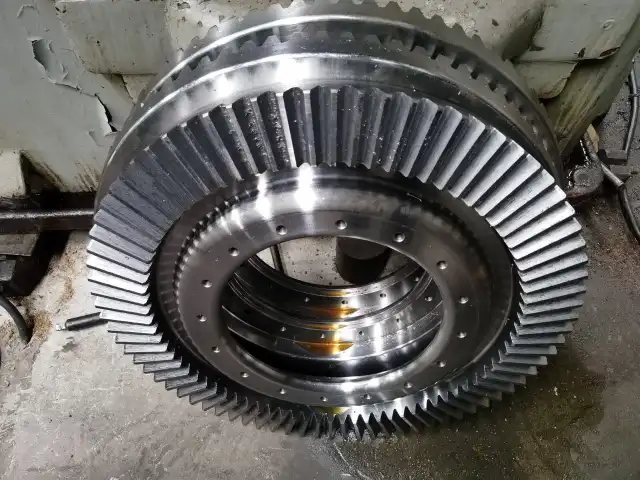
Understanding Straight and Spiral Bevel Gears
Bevel gears move and send power between shafts that cross each other at right angles of 90 degrees. The main difference is in the shape and behavior of the teeth when they connect, which has a direct effect on how well your machinery works.
Design Principles and Tooth Geometry
As you move toward the tip of a straight bevel gear, the teeth get smaller and smaller until they reach the tip. This simple shape makes point-contact interaction happen quickly as teeth enter and leave the mesh. On the other hand, spiral bevel gears have bent, oblique teeth that connect gradually through line contact. This curved tooth shape lets more than one tooth share loads at the same time, getting contact ratios higher than 2.0 compared to the usual 1.4 ratio for straight setups. The constant engagement pattern lowers shock loading and shaking, which is very important in high-speed situations where smooth power transfer keeps parts from breaking down too soon.
Performance Characteristics Comparison
These designs have varying load capabilities. Spiral forms transmit greater torque in a smaller space by spreading forces across a larger contact surface. This greater load-bearing flexibility helps mining equipment with shock loads from smashing rocks that may damage gearbox elements. Gear noise is another major difference. Spiral gears function silently at high speeds, but straight gears whine when their teeth contact unexpectedly. Aerospace chopper transmissions require sound enhancement and zero-fail reliability under harsh temperatures.
Consider operational speed restrictions while considering durability. Straight bevel gears function well at low to medium speeds, but beyond 1,000 dpm pitch line velocity, they overheat and rattle. Spiral designs can manage speeds of 10,000 fpm, making them useful in machine tool spindle drives and vehicle differentials. However, spiral designs generate axial thrust stresses requiring robust bearings. Straight gears don't create axial forces, making housing design simpler in small spaces.
Material Selection and Manufacturing Impact
The material determines Straight and Spiral Bevel Gear durability and stress performance. Quality alloy steels like 20CrMnTi, AISI 8620, and 18CrNiMo7 have good case-hardening response, which helps raise the surface hardness to 58–62 HRC while maintaining the cores flexible enough to handle shock loads. SAE 4340 and 42CrMo are more wear-resistant for harsh mine auxiliary drives. Heat treatments like carburising and induction hardening Straight and Spiral Bevel Gear surfaces. These surfaces resist pitting and scratching, which damage highly loaded gears.
Manufacturing precision impacts performance and durability. For ISO 8–9 precision, spiral bevel gears must be face milled or face hobbed utilising Gleason profile requirements. Precision grinding is required. This approach requires additional processes, which increases manufacturing costs but provides tight restrictions for high-performance usage. Straight gears are cheaper and quicker to make since they don't require precise shaping or planning. This makes them ideal for turning systems and agricultural equipment with moderate precision. Knowing how these materials and processes interact helps purchasing teams pick gear that meets performance requirements and budget.
Core Criteria for Selecting a Bevel Gear Manufacturer
When choosing a manufacturer, you need to carefully look at their professional skills, quality processes, and ability to adapt to changing business needs. The skill of the provider has a direct effect on the reliability of your tools and the continuity of your production.
Quality Certifications and Precision Standards
Manufacturers who are known for their quality must comply with ISO standards. Systematic quality management is shown by ISO 9001 approval, and expert skill is proven by AGMA (American Gear Manufacturers Association) ratings and other industry-specific standards. Companies that follow ISO 8-9 precision grades or AGMA Q10–Q13 quality classes have the measurement tools and process controls they need to make gears that meet strict standards. Ask for proof of the most recent certification checks and look over the records of non-conformances to see how consistent they are. Manufacturers that work with aircraft usually keep their AS9100 certifications, which show that they can meet strict standards for material verification and tracking.
Advanced Machining and Heat Treatment Technologies
Production machinery shows how advanced a factory is. High-precision CNC gear grinding centers make sure that the tooth profiles are accurate, which is important for reducing noise and spreading out the load as evenly as possible. Automated gear hobbing tools make it possible to make modules consistently in the 0.5–50 range, which is needed for a wide range of uses. The equipment for heat treatment, such as carburising ovens and induction hardening systems, has a direct effect on how long the surface lasts. When compared to sellers who outsource key operations, manufacturers who have integrated facilities that do their own cutting, milling, grinding, and heat treatment have better process control. During site audits, check to see if the equipment is regularly calibrated and if the workers get ongoing technical training.
Product Range and Customization Capabilities
Manufacturing flexibility means being able to meet a wide range of needs. Suppliers who offer both standard catalog items and unique tech services can adapt to the changing needs of projects. It should be possible to customize more than just the sizes. For example, you should be able to change the material, use pressure angles other than 14.5° or 20°, and create your own heat treatment processes. Innovation and quick rollout are aided by manufacturers who accept low minimum order numbers, such as making prototypes out of a single piece. When making small mechanical transmission systems or custom equipment setups, this freedom comes in very handy. Make sure that the engineering teams can read the customer's sketches, suggest ways to improve the design, and give expert advice while the specifications are being made.
Lead Times and Supply Chain Resilience
Project plans are directly affected by when Straight and Spiral Bevel Gear things need to be made. Normal lead times of 35 to 60 days are fine for planned repair and installation of new equipment, but fast turnaround times are very important when something goes wrong without warning. Capacity response is shown by manufacturers who keep a store of raw materials and run multiple production shifts. Transparency in the supply chain, such as checking Straight and Spiral Bevel Gear orders in real time and telling customers ahead of time about possible delays, boosts trust. Being close to material sources and heat treatment subcontractors geographically makes operations less vulnerable to problems with transportation. When evaluating a seller, ask for examples of on-time deliveries that were made in difficult situations, like when orders had to be sent quickly or when shipping internationally caused problems.
Evaluating Manufacturer Expertise and Industry Reputation
Technical knowledge and reputation in the market are what set good sellers apart from great partners who make a real difference in the success of a project.
Demonstrated Industry Experience
Years of experience don't tell you much if you don't look at project variety. Manufacturers who have worked with industrial tools, mining, and aircraft for fifteen years know how to deal with problems that are unique to each industry. Read case studies that show how similar problems were solved in the past. Suppliers who have designed bevel gear sets for mine hoist drives know how to handle shock loads and protect against harsh environments. People who work with aircraft clients know how to optimize weight and make designs that won't fail. Ask clients in your business for examples and find out how responsive the manufacturer is when there are technical problems or changes to the specifications in the middle of a project.
Client Testimonials and Verified Project Portfolio
Validation by a third party provides more trust. It's not enough for client testimonials to say things like "reduced gearbox noise by 15 dB" or "achieved 50,000-hour service life in crusher application." Verified project portfolios that show collaboration with well-known mechanical engineering companies show the ability to meet complex requirements. Manufacturers who have long-term relationships with a number of different industry clients show that they are reliable and flexible. Be wary of sellers who won't give you references that you can check or who make hazy claims about success without any data to back them up.
Aftermarket Support and Warranty Provisions
Total ownership experience is based on help after delivery. Full one-year contracts that cover both material errors and manufacturing flaws keep things from breaking down too soon. Rapid reaction methods for technical help keep production from stopping when questions about installation or performance come up. Manufacturers who give field service support, such as fixing and alignment checks on-site, show that they are committed to more than just making sales. Make it clear what the warranty doesn't cover, especially when it comes to things like poor fitting or lack of lubrication, which usually void the guarantee. Suppliers who give clear instructions on how to install, lubricate, and maintain parts make strategic asset management possible, which increases the lifespan of parts.
Comparing Costs and Value Propositions Between Manufacturers
To figure out a price, you have to look at the whole picture, which includes the original costs of purchase, ongoing costs, and value-added services that lower the total cost of ownership.
Transparent Pricing Structures and Cost Drivers
Material choice greatly affects pricing. Gears made from premium metals like SAE 4340 are more costly than 45# steel but superior in high-stress circumstances. Spiral gears need precision grinding, which takes longer to create than straight gears, which can be machined more easily. Production leads to economies of scale, so purchasing more decreases unit cost, but too much inventory freezes up cash. Reliable manufacturers provide thorough rates for materials, processing, heating, and finishing. It enables you to make wise trade-offs. If the price looks excessively cheap, the materials may be inferior, or case strengthening depth may have been neglected.
Total Cost of Ownership Considerations
The purchasing price just covers the first expenditure. Long-term expenses depend on operational efficiency. Higher-precision gears reduce energy waste by improving meshing, lowering power costs over time. Product quality determines maintenance frequency. Hardened gears that perform within their design limitations don't require much maintenance, but low-quality items need to be changed more frequently, which costs money and stops output. Noise management has hidden costs. Too much gear noise may necessitate sound enclosures or violate workplace safety requirements. Compare suppliers based on lifetime expenses such as energy usage, expected replacement intervals, and downtime.
Value-Added Services Beyond Product Supply
Some manufacturers provide supplementary services to simplify purchase and reduce issues. Engineering consultation throughout design helps prevent costly specification errors. Before mass manufacturing, prototype testing services ensure its functionality. This reduces the risk of implementing critical applications. Custom packing with shock-absorbing cushioning and protective coatings prevents delivery damage. This is crucial for scratch-prone precision-ground tooth surfaces. Global transportation services, including integrated shipping, customs assistance, and real-time package tracking reduce bureaucracy. Full technical documentation, such as measurement inspection reports and material certifications, helps manufacturers ensure product quality and compliance.
Practical Steps to Finalize Your Gear Manufacturer Choice
Structured review methods lower the risks of choosing a provider and lay the groundwork for good relationships that last a long time.
Define Application-Specific Requirements
Detailed recording of requirements helps Straight and Spiral Bevel Gear suppliers do their jobs and avoids misunderstandings. Include working factors like torque loads, rotational speeds, job cycles, and environmental variables like high or low temperatures or contamination exposure. Find the mounting restrictions, shaft designs, and space limits that affect the size of the gear. Make it clear what level of precision is expected by using AGMA quality class names or ISO grade standards. Write down your preferred materials based on the need for corrosion protection or approvals specific to your business. Include amounts, shipping dates, and price ranges so that sellers can come up with Straight and Spiral Bevel Gear solutions that are the right size. Detailed specs make it easier to compare costs and make sure that quotes are clear.
Request Samples and Technical Documentation
Direct inspection of physical samples shows the quality of the making. Check the tooth's surface finish for grinding marks or other flaws that could mean the process wasn't done right. Use calibrated tools to check the accuracy of the readings and compare them to the limits that were set. Ask for material certificates that list the alloy's makeup and heat treatment parameters, especially the case depth and core hardness values. Dimensional inspection records made by coordinate measuring tools are a reliable way to show quality. Suppliers who don't want to give examples or paperwork may not be sure that their making is consistent. When it's possible, testing items in real-world situations verifies performance claims before large-scale purchases are made.
Establish Communication Channels and Conduct Negotiations
Misunderstandings slow down projects and drive up costs; good communication stops them before they happen. Choose main contacts on both sides and agree on the best ways to communicate—email for formal conversations, videoconferencing for more in-depth technical talks. Check how responsive they are to your first questions; quick, thorough answers show that the business cares about its customers. Talk about payment terms, delivery dates, and fines for not meeting the terms or being late with delivery during talks. Make it clear who owns the intellectual property for unique designs and protect apps that are secret from others. Negotiating together to solve problems that affect both sides builds trust, while arguing causes problems that hurt the chances of forming a relationship.
Implement Trial Orders to Validate Capabilities
With trial sales, the risks that come with using new providers are lessened. Starting with small amounts lets you test the performance without putting whole projects at risk for quality problems. Check the state of production by getting regular information and asking to be told about any changes to the process or replacements of materials. Perform thorough incoming checks by measuring important measurements and checking the hardness of the surface. Install test parts and keep an eye on performance indicators like noise levels, temperature rise, and shaking patterns. When trials go well, they support bigger orders, and when problems are found early, they can be fixed or suppliers can be changed before big investments are made. Systematically write down trial results to help with future purchasing choices and ongoing evaluations of seller performance.
Conclusion
To find a good bevel gear maker, you need to carefully look at their technical skills, quality systems, knowledge in the field, and value propositions. Different uses need different performance characteristics from Straight and Spiral Bevel Gears. Knowing these differences helps you match the right provider. Companies that show they follow ISO standards, have advanced CNC machining tools, a wide range of heat treatment facilities, and a history of being able to adapt to different customer needs are seen as trusted partners for tough industrial, mining, and aerospace uses. Value-added services like engineering support and global logistics planning, as well as clear price and lifecycle cost factors, set exceptional sellers apart from transactional vendors. Using structured evaluation processes, like laying out clear requirements, looking over paperwork and samples, setting up rules for communication, and placing test orders, lowers the risks of procurement while establishing long-lasting relationships that support operational excellence.
FAQ
1. Can spiral bevel gears directly replace straight bevel gears to reduce operational noise?
Direct replacement is not possible without making changes to the housing. Because their teeth are bent, spiral bevel gears create large axial thrust loads that don't exist in straight designs. The current bearing systems and housing structures made for straight gears aren't strong enough to handle these axial forces, which causes the bearings to fail early and get out of line. To convert something successfully, the support structures must be redesigned so that they can handle thrust loads through angular contact or tapered roller bearings that are rated correctly. Also, the lubrication systems might need to be updated because spiral gears need high-quality Extreme Pressure oils to keep them from getting scratched by the rolling action that their teeth engage in. The benefits of reducing noise are big, but the mechanical work goes beyond just switching out parts.
2. What typical production lead times should I expect for custom spiral bevel gears?
It usually takes 35 to 60 days from the time an order is confirmed until the spiral bevel gear is delivered. This schedule includes checking the design, getting the raw materials, machining tasks like hobbing and grinding, heat treatment processes, and the final review. Specifications that are too complicated and need non-standard materials or very precise grades may make delivery times longer. Lead times are shorter for manufacturers who keep raw materials on hand and run integrated facilities with in-house heat treatment than for sellers who outsource important processes. For pressing needs, expedited production is still possible, but it usually costs more because of changes to the production plan and having to find materials faster. During project planning, let manufacturers know about shipping needs early on so they can plan their capacity and look for possible time limits.
3. How do manufacturers ensure customization accuracy for unique application requirements?
Reputable makers use organized design processes that start with in-depth talks about the needs to make sure that working factors, size limitations, and performance standards are clear. Engineering teams make detailed sketches that include customer requirements and suggest ways to improve the design based on how the product can be manufactured and what the best practices are in the industry. Modern factories use CAD/CAM systems that connect directly to CNC machines, so mistakes in programming don't happen when the machines are programmed by hand. Before production starts, first-article tests check the prototype's size. Coordinate measuring tools and gear testers check the correctness of the tooth profile, changes in pitch, and the surface finish against the limits that have been set. Large amounts of paperwork, like dimensional inspection reports and material approvals, are sent with packages to show that they meet the requirements. This methodical approach makes sure that customized gears meet specific needs while keeping production costs low.
Partner with YIZHI MACHINERY for Precision-Engineered Bevel Gear Solutions
It has been fifteen years since YIZHI MACHINERY specialized in making custom Straight and Spiral Bevel Gear solutions for mining, aircraft, and industrial machines. Our ISO-certified building has cutting-edge CNC gear grinding centers, automatic hobbing machines, and built-in heat treatment systems that make precision parts in module ranges from 0.5 to 50. We make gears out of high-quality metals like 20CrMnTi, AISI 8620, and SAE 4340. Using controlled carburising and induction hardening methods, we get the surface hardness to 58–62 HRC.
In addition to making great products, we also offer full support throughout the whole buying process. Our engineering team provides technical advice and design help before a sale, making sure that the specs match the needs of the application. We keep everyone informed from the time we confirm the order until it's delivered by sending timed progress updates and quality check reports. Your parts will get to you on time and in good condition thanks to custom packing that protects them from shock and real-time shipment tracking through our multi-channel logistics network, which includes choices for sea freight, air transport, and rail transport.
As a reliable Straight and Spiral Bevel Gear maker, we can handle a wide range of order sizes, even prototypes made of a single piece. This lets us support innovation without having to keep too much material on hand. Our competitive price models balance quality with low cost, and our one-year warranty and quick expert support help reduce business risks. Contact us at sales@yizmachinery.com to talk about your transmission needs and get quotes that are specifically made for your industrial equipment.
References
1. American Gear Manufacturers Association. (2019). AGMA 2005-D03: Design Manual for Bevel Gears. Alexandria: AGMA Publications.
2. Dudley, D. W. (2018). Handbook of Practical Gear Design and Manufacture (2nd ed.). Boca Raton: CRC Press.
3. ISO Standards Committee. (2020). ISO 1328-1: Cylindrical Gears — ISO System of Flank Tolerance Classification. Geneva: International Organization for Standardization.
4. Klingelnberg GmbH. (2016). Bevel Gear Technology: Fundamentals and Applications in Power Transmission. Hückeswagen: Klingelnberg Technical Publications.
5. Stadtfeld, H. J. (2014). Gleason Bevel Gear Technology: Manufacturing, Inspection, and Optimization. Rochester: The Gleason Works.
6. Townsend, D. P. (2017). Dudley's Gear Handbook: The Design, Manufacture, and Application of Gears (3rd ed.). New York: McGraw-Hill Education.

USER EVALUATE
Here is the customer's evaluation of us