


How to Choose a Reliable Bobtail Bolt Supplier for Industrial Needs
Selecting the right permanent fastening solution hinges on finding a supplier who understands vibration-resistant joint requirements and delivers consistent quality. Bobtail bolts eliminate traditional maintenance headaches by creating permanent mechanical locks that withstand extreme operational stress. Unlike conventional threaded fasteners prone to loosening under continuous vibration, these specialized lockbolts maintain structural integrity across demanding applications from railway rolling stock to heavy transport chassis. The procurement journey requires careful evaluation of technical certifications, manufacturing capabilities, and post-installation support to ensure your investment delivers long-term reliability without compromise.
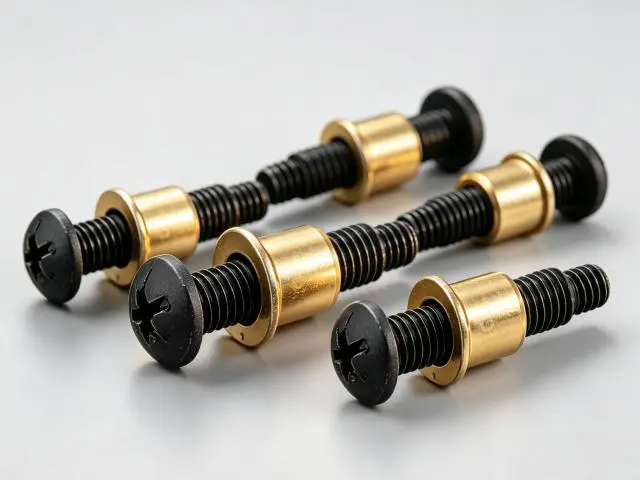
Understanding the Core Requirements for Bobtail Bolts in Industrial Use
What Defines These Specialized Fasteners
The design without pintails is very different from standard lockbolt technology. During installation, hydraulic tools swage a collar into shallow grooves along the pin body. This makes a strong bond that is similar to welding. This method gets rid of pieces of foreign objects, which is very important because broken metal pintails can be dangerous in assembly areas. Because the shallow grooves are spread out over a larger surface area than standard threads, they offer five times more fatigue resistance than regular bolted joints.
Critical Application Environments
For rail transport to work, the fasteners need to be able to handle steady harmonic vibration and impact loading. When deployed, bobtail lockbolts keep bogie frames and car body assemblies safe in places where maintenance access is limited. These screws are used in the automobile industry for truck chassis parts that are twisted and jolted during heavy-haul operations. Because the fully coated surface never exposes raw metal to saltwater as standard pintail break-off points do, it is better at resisting corrosion in shipbuilding uses.
Material and Strength Specifications
Industrial buyers have to make sure that the materials used for fasteners are right for the job. Some types of carbon steel, like 45# steel, are good for general-purpose mechanical assemblies that need to be moderately strong. 40Cr and 40CrNiMo alloys are better at carrying weight, which makes them useful for high-stress uses like crane towers and mining tools. Marine and chemical processing environments need types of stainless steel 304 or 316, which are better at resisting corrosion. Strength grades from 4.8 to 12.9 can handle a wide range of load requirements, from light panel fixing to heavy structural links that need very high tensile strength.
Criteria for Evaluating Bobtail Bolt Suppliers
Manufacturing Certification Standards
ISO compliance shows that quality management is being used in a planned way throughout the whole production process. Suppliers who keep their ISO 9001 certification follow written rules for tracking materials, keeping an eye on the production process, and doing final inspections. Applications that use rail transit often need extra EN standards checks to make sure they work with European railroad technical specifications. For defense and aerospace projects, AS9100 certification or similar quality system documentation may be needed. For important uses, ask for full material test reports that include a chemical composition analysis, verification of mechanical properties, and records of heat treatment.
Production Capabilities Assessment
When compared to distributor agreements, direct factory ties offer lower costs and more customization options for bobtail bolts. Check to see if the providers have high-tech CNC machining centers, automatic heat treatment lines, and precise grinding tools. The size ranges and production efficiency for large orders depend on the cold heading and hot heading powers. The thread-forming and stamping processes change the consistency of the dimensions between runs of production. Suppliers who can make prototypes of a single item through high-volume production are good for both new product lines and development projects.
Customization and Technical Support
Collaboration in engineering is what sets industry leaders apart from suppliers of basic goods. The best partners offer design drawing services that make sure the new parts will work with existing ones before they are put into production. Through technical consultation, the best fastener configurations for different load conditions and environmental exposures are found. Custom head shapes, such as hexagonal, internal hex, or countersunk features, can be made to fit a variety of installation access needs. Adjustable shank lengths and diameters make sure a perfect fit without having to change the way the parts are put together. Suppliers with low minimum order numbers let you try prototypes before you buy a lot of them.
Supply Chain Reliability
For global buying to work, logistics planning must be reliable. Check to see if sellers offer a range of shipping options, such as ocean freight, air shipping, and rail options, so that you can get your order quickly and at a low cost. Customized packaging options keep threaded surfaces and precision-ground parts safe while they're being shipped internationally. Real-time shipment tracking systems let you see an item from the time it is loaded at the factory until it is signed for as delivered. Suppliers who promise damage rates below 0.1% through shock-absorbing liners and strengthened boxes keep project delays and repair costs to a minimum. Standard production windows of 35 to 60 days work for companies that make industrial equipment and construction contractors whose planning cycles are long.
Comparing Bobtail Bolt Options to Meet Industrial Demands
Performance Advantages Over Traditional Fasteners
When a lot of things need to be put together, differences in installation speeds have a big effect on labor costs. To meet specifications, conventional bolted joints need run-down time, precise torque application, and often more than one tightening pass. Installation of a lockbolt takes less than two seconds and only needs one hydraulic tool to be used. The swaging process makes a constant clamp force that is based on the shape of the fastener instead of the operator's method. This gets rid of the variation in torque scatter. Visual swage signs on the collar surface make it possible to check the quality right away, without the need for special inspection tools. This design keeps joints from being too tight or too loose, which can hurt substrate materials or make the structure less strong.
Material Selection for Environmental Durability
Galvanized finishes are a cheap way to protect indoor industrial tools and building equipment from corrosion when they are exposed to moderate moisture. Blackening treatments work well on automotive parts where looks are important, and temperatures stay moderate. Using phosphor processes helps paint stick better and gives painted parts some rust resistance. Stainless steel types don't need to be coated at all, so they won't rust even if they get scratches on the surface during service or handling. Choice of material has a direct effect on lifecycle costs. For example, carbon steel with protective coatings costs less at first, but it may need to be replaced in harsh environments, while stainless alloys last for decades without needing any maintenance.
Load Capacity and Safety Factors
The choice of strength grade is based on the calculated joint loads and the necessary safety margins. Grade 4.8 fasteners are good for light-duty jobs like keeping access panels in place or making covers that aren't structural. Grade 8.8 is used for general mechanical assemblies, such as equipment mounting brackets and conveyor frameworks. High-strength grades 10.9 and 12.9 are used for important structural connections in lifting equipment, big car frames, and train systems, where failure could have terrible results. To make the right specifications, you need to know about both static loads and dynamic forces that come from things like shaking, thermal expansion, and operating shock. When engineers are conservative, they use safety factors that take into account possible overload situations and long-term wear and tear.
How to Assess Supplier Reputation and Trustworthiness
Verifying Industry Experience
The production experience shows that the capabilities go beyond what the marketing says. Suppliers that have been in business for 15 years or more have seen through economic downturns, changes in technology, and quality control problems that drive out less dedicated competitors. Partnerships with well-known mechanical engineering companies show that they can be relied on to meet strict industry standards. Ask for case studies or contact information for clients in the same field as you. Makers of railroad equipment have to follow different validation rules than makers of building equipment, so knowledge in the relevant sector is very important.
Quality Assurance Protocols
Inspection methods keep the assembly line from having to deal with batch differences that slow things down for the bobtail bolt. Leading suppliers send synchronized progress updates to procurement teams throughout the manufacturing cycle to keep them informed. Sample supply lets you test for errors before committing to full production runs of materials and tools. Every shipment should come with full material certifications that list the chemical makeup, tensile strength, hardness values, and heat treatment parameters. Testing by independent metallurgy laboratories as a third party adds another layer of assurance for important uses where a failed component could put people's safety or the company's finances at risk.
After-Sales Support Structure
Warranty coverage shows that the supplier trusts the product to last. One-year guarantees protect against early failure due to flaws in the material or mistakes in the manufacturing process. When questions come up during installation or service, rapid response protocols that deal with technical issues keep production from stopping. Support for solving problems that lasts throughout the lifecycle of a product ensures that operations stay uninterrupted as technology ages and changes are needed. When suppliers keep their engineering teams open for ongoing consultation, they stop being transactional vendors and become valuable partners.
Sustainability Credentials
As corporate responsibility goals become more important, environmental certifications become more important in purchasing decisions. When suppliers use eco-friendly manufacturing methods, they make less trash, use less energy, and use less dangerous materials during production. Shipping safety systems have less of an effect on landfills when they use recyclable packing materials. Some makers offer shipping choices that don't produce any carbon dioxide or run factories that use renewable energy. These eco-friendly plans are in line with green building certifications, rules for reporting environmental impacts, and corporate governance standards that have an impact on project approvals and the reputation of the brand.
Practical Steps to Finalize Your Bobtail Bolt Supplier Choice
Communicating Technical Requirements
Misunderstandings that lead to expensive rework can be avoided by having clear paperwork of the specifications. Give detailed drawings that show where the installations will go, what the substrates are made of, how the joints are set up, and what the operational environment is like. Make it clear right away what certifications, inspection criteria, and acceptance standards are needed. Talk about load estimates, safety factors, and the projected service life so that engineers can suggest the right materials and strength grades. Find out if standard products will work or if you need custom sizes, coatings, or testing procedures for your application.
Negotiating Commercial Terms
Prices change based on the number of items ordered, how complicated the customization is, and when the items need to be delivered. A lot of the time, bulk buy deals get big discounts on unit costs and make sure that there are enough supplies for ongoing production programs. Minimum order quantities have an effect on small-scale projects and prototype development budgets. Cash flow management is affected by payment terms like deposits, milestone billing, and final settlement conditions. Delivery plans need to match up with project timelines, with extra time built in for clearing customs and transporting goods within the country when bringing in orders from other countries.
Testing and Validation Process
Before making production promises, efficiency is confirmed by testing a sample. Install test fasteners using real tools and substrates that are similar to those that will be used in the final product. Do vibration tests according to Junker Test protocols or similar standards to make sure the resistance to self-loosening is real. Check that the clamp force is the same in all setups to make sure the process can be done again and again. Check the visual swage signs to make sure that the quality control methods work as they should. Write down the results that show how well the product actually worked compared to what was specified, and fix any problems that come up before approving mass production.
Establishing Long-Term Partnership
Consistent ties with suppliers make it easier to buy from them again and again, and they also help with efforts to keep improving. Make framework agreements that spell out prices, lead times, and quality standards for orders that will be placed again and again. Set up regular reviews to look at delivery performance, quality measures, and how quickly technical help responds. Share predictions for production so that suppliers can better manage their capacity and material stocks. Working together with providers leads to new ideas because they can suggest better designs, ways to cut costs, and new uses for products based on a deep understanding of your business needs.
Conclusion
To find a trustworthy permanent fastening provider, you need to look at more than just price. You need to look at their professional skills, quality systems, and service commitment. Vibration-resistant bobtail bolt lockbolts are very specialized, so suppliers need to have advanced manufacturing equipment, knowledge of materials, and knowledge of how to use those materials in specific industries. To do procurement right, you need to find a balance between performance needs, budget constraints, and delivery dates. You also need to build partnerships that support long-term operational excellence. A careful evaluation of suppliers lowers the risks that come with using important fasteners in situations where a broken part could affect safety, productivity, and the overall cost of the project. Putting in the time and effort to carefully evaluate suppliers pays off in the form of lower maintenance costs, better assembly efficiency, and reliable performance over longer service lifecycles.
FAQ
1. What strength grade should I specify for heavy-duty structural applications?
When there are a lot of static loads or dynamic stress cycles, grade 10.9 or 12.9 fasteners are usually needed because they have the highest tensile strength and fatigue resistance. These high-strength requirements are good for railroad chassis parts, crane structural members, and mining equipment frames. Talk to the engineering teams to figure out the actual joint loads, taking into account safety factors. Then, choose grades that are higher than the calculated requirements by the right amount. Material approvals should list the mechanical properties that show the material meets the requirements.
2. How do I verify a supplier maintains ISO quality certification?
Request copies of your most recent ISO 9001 certificates that show the information of the accrediting body, the scope of the certification, and the dates it is valid. Check for authenticity by calling the certification group directly using information from their website instead of the information given by the seller. Legitimate sellers accept requests for proof and give audit records that show compliance assessments. Factory checks done by your quality team or by outside inspectors are another way to make sure that important purchasing relationships are solid.
3. Can suppliers accommodate non-standard dimensions for specialized equipment?
Manufacturers with a lot of experience can make any changes you want to the thickness, shank length, head shape, and nut profile. Single-item prototype production helps with development projects that need custom shapes. Give thorough technical drawings that show the important measurements, the required tolerances, and the limitations of the work. Consulting engineers during the creation of specifications helps find the best solutions that balance performance needs with the ability to make the product and low cost.
Partner with YIZHI MACHINERY for Premium Lockbolt Solutions
YIZHI MACHINERY has been making specialized fastening systems for 15 years and offers precision-engineered permanent fastening systems. As a well-known bolt provider, we use high-quality materials like 45# steel, 40Cr alloys, and 304/316 stainless steel to make certified goods with strength grades ranging from 4.8 to 12.9 class. Our ISO-compliant center uses cutting-edge cold heading, hot heading, and thread-forming methods, along with heat treatment tools, to make sure that the mechanical features stay the same. Configurations that can be changed to fit a wide range of industrial needs, from making machines to building ships. We keep production lead times between 35 and 60 days and damage rates below 0.1% by using protective packing and coordinating transportation across multiple channels for bobtail bolts. Design drawing services and technical advice are examples of pre-sales engineering support. During production, we give synchronized updates on progress and samples. After delivery, our one-year guarantee and quick response procedures will keep your investment safe. Contact us about your needs and ask for material approvals by emailing sales@yizmachinery.com.
References
1. Railway Industry Association. "Fastening Systems for Rolling Stock: Technical Requirements and Quality Standards." Journal of Rail Transit Engineering, Vol. 34, 2022, pp. 156-178.
2. Henderson, Mark T. "Comparative Analysis of Permanent Fastening Technologies in Heavy Transport Applications." Industrial Assembly and Manufacturing Review, Vol. 18, No. 3, 2021, pp. 89-104.
3. International Organization."Mechanical Properties of Fasteners Made of Carbon Steel and Alloy Steel: Part 1 - Bolts, Screws and Studs." ISO 898-1:2013, Geneva, Switzerland.
4. Chen, Wei and Rodriguez, Carlos. "Corrosion Resistance of Protective Coatings on Industrial Fasteners in Marine Environments." Materials Performance and Protection, Vol. 29, 2023, pp. 214-231.
5. European Committee for Standardization. "Railway Applications - Track - Rail Fastening Systems: Part 2 - Test Methods." EN 13481-2:2012, Brussels, Belgium.
6. Thompson, Jennifer L. "Supply Chain Optimization for Precision Mechanical Components in Global Manufacturing." Operations Management Quarterly, Vol. 41, No. 2, 2023, pp. 67-85.

USER EVALUATE
Here is the customer's evaluation of us