
What Is Precision Spur Gear and Why It Matters in Motor Reducers?
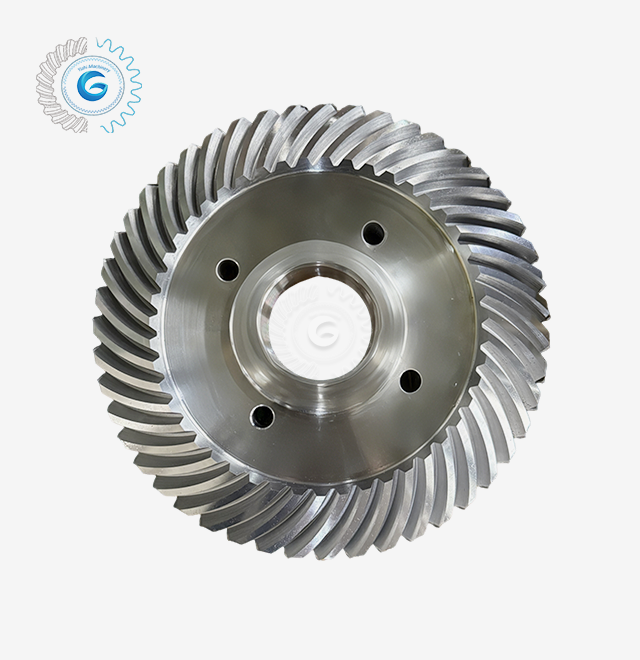
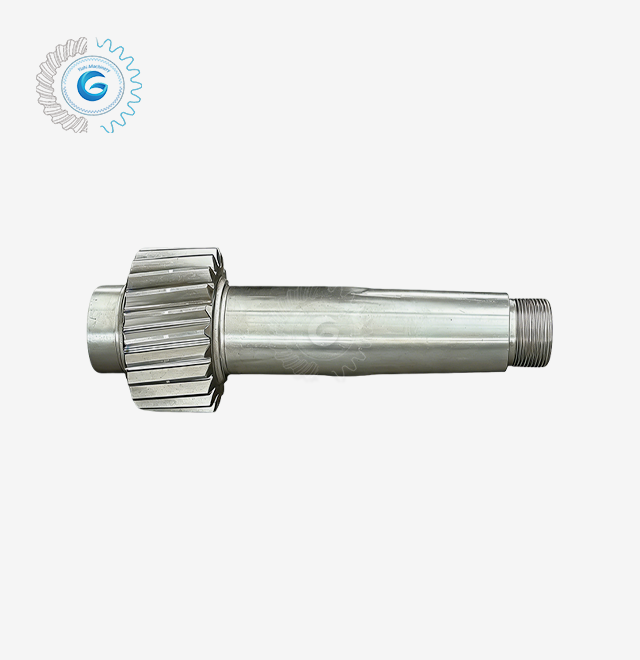
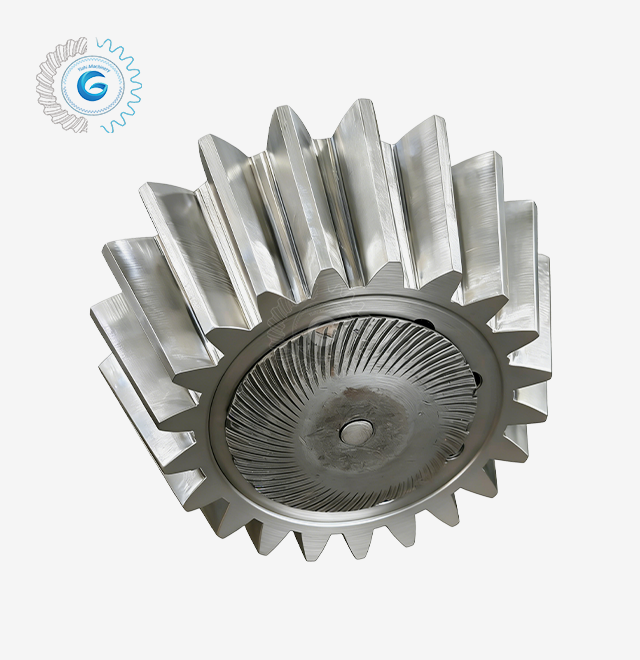
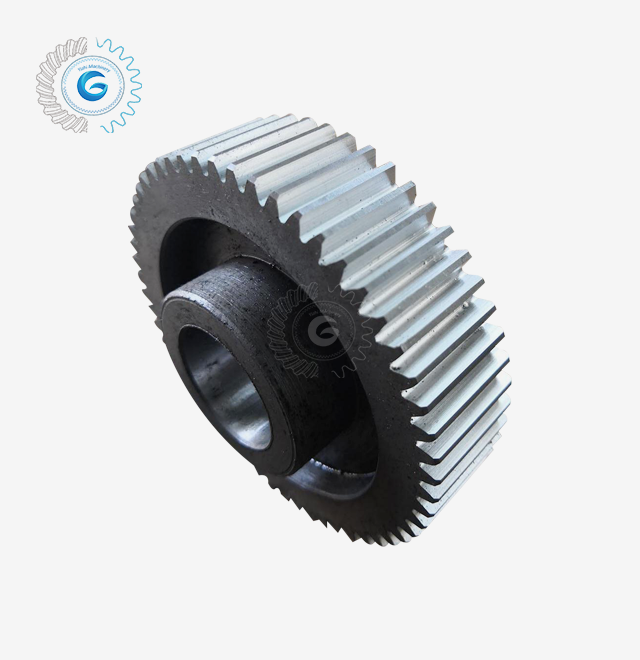
A Precision Spur Gear is a high-tolerance cylindrical gear part with straight teeth cut parallel to the rotary axis. It is designed for transmission systems that need exact velocity ratios and little transmission error. These gears are very important in motor reducers because they provide high accuracy, less backlash, and better power transfer. Precision variants are different from regular commercial gears because they meet strict quality classes (ISO 5-6, 8-9 Grade) and can hold more weight. This makes them essential for industrial machinery, mining equipment, and aerospace uses where dependability cannot be sacrificed.
Understanding Precision Spur Gears
Defining Precision Manufacturing Standards
Precision spur gears have precise tooth shapes and stringent manufacturing tolerances that surpass normal gear standards. To optimise performance, these components are forged, chopped, hobbed, milled, and precision ground. Gear meshing, gearbox efficiency, and operating lifespan depend on manufacturing accuracy. Precision gears are manufactured to ISO 5-6 and 8-9 grade criteria for dimensional accuracy and tight tolerances. Using CNC machining centers and automated gear grinding machines, manufacturers may achieve surface roughness levels below 0.4µm, minimising friction and wear. Carburising, quenching and tempering, and induction hardening retain core toughness while creating 45-50 HRC and 58-62 HRC surface hardness.
Material Selection and Engineering Properties
Precision gear performance starts with superior materials. 45# steel, 20CrMnTi, 40CrNiMo, SAE4340, 42CrMo, AISI4140, 18CrNiMo7, 17CrNiMo6, 20CrNiMo, AISI8620, 20CrNi2Mo, and SAE4320 have high strength-to-weight ratios and endurance under severe operating circumstances. Specialised heat treatment optimises mechanical qualities of these materials. Carburising hardens the surface while keeping a shock-resistant, ductile core. Induction hardening selectively hardens tooth surfaces without affecting gear body flexibility. The material qualities allow Precision Spur Gear components to function at pitch line speeds beyond 20 m/s without structural damage.
Design Characteristics and Technical Specifications
Specific applications may be met by changing precision gear design variables. Modules from 0.5 to 50 can handle several gear ratios and power demands. Customising the tooth count lets motor reducers match velocity ratios. The basic architectural structure allows power transfer between parallel lines with negligible energy waste. Key variables in dimension accuracy include pitch error accumulation, lead variation, and involute profile error. These parameters affect gear connection, noise, and gearbox accuracy. Advances in measurement allow these parameters to be closely controlled, and high-precision backlash values are frequently less than 3 arc-minutes.
Why Precision Matters: Advantages and Applications
Performance Benefits in Motor Reducer Systems
Through increased mechanical efficiency and decreased operating losses, Precision Spur Gear components provide significant performance benefits in motor reducer applications. The exact tooth contact reduces sliding friction while power is being transmitted, making it more than 98% efficient. This improvement in efficiency directly leads to less energy use and cooler working temperatures. Another very important benefit is that these gears can handle higher power loads while staying stable in terms of their dimensions. The exact production tolerances make sure that the load is evenly distributed across all tooth surfaces. This stops wear patterns from starting too soon and increases the operating life. In servo-controlled systems, positioning accuracy and reaction time are improved when backlash is reduced.
Here are the main ways that these parts improve performance:
1. Enhanced Transmission Efficiency: Precision production cuts down on energy loss by making tooth contact patterns better and reducing slide friction.
2. Superior Load-Bearing Capacity: New materials and heat treatment methods allow for better torque transfer while keeping the structure strong.
3. Reduced Noise and Vibration: precise tooth profiles and close limits lower transmission mistake and the noise that comes with it.
4. Extended Service Life: Even load distribution and superior material qualities greatly increase the gear's useful life.
These performance traits directly deal with important practical problems that come up in high-demand industrial settings, making sure that power transfer is reliable even when the load changes.
Industry Applications and Sector Implementation
Precision gear technology is used in many sectors because accuracy and durability are still vital. Industrial robot and automation system planetary gearboxes and joint actuators require precision gears. System performance relies on positioning precision and repeatability. CNC machines need precision gearbox parts to maintain workpiece dimensions during machining. Mining applications need durable gear that can function in adverse conditions. Precision Spur Gear parts are preferable for high-duty motor reducers in mine conveyors, crushers, and extraction equipment because they endure longer and hold severe loads. Changing gear specifications allows optimisation for individual mining applications. Precision gears that can withstand severe temperature variations and weight constraints are needed for aeronautical applications. To ensure safety, flap motors, auxiliary power units, and flight control systems require precision gears. Light, carefully made materials may fulfil aerospace performance and weight norms.
Comparing Precision Spur Gears with Other Gear Types
Technical Comparison with Alternative Gear Designs
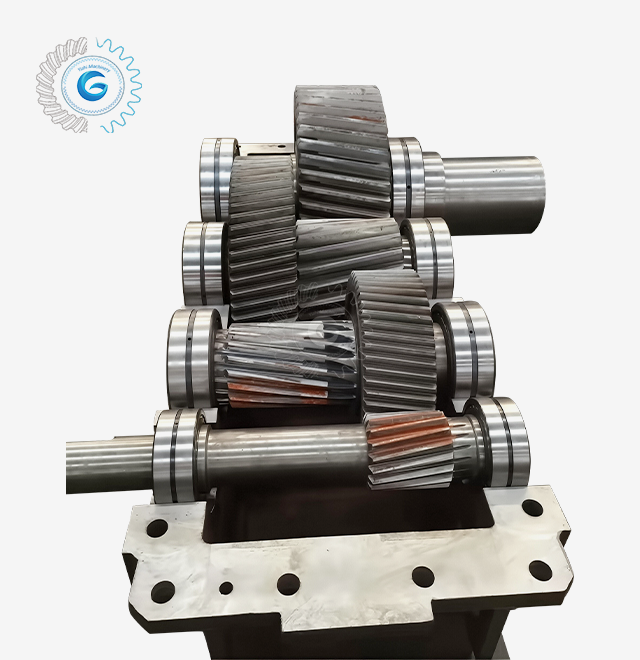
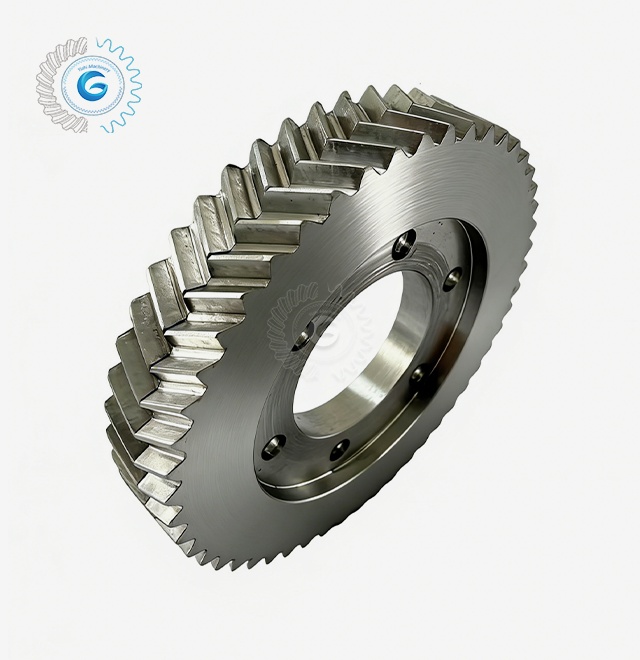
Knowing the benefits and drawbacks of various gears and how precise spur gears compare helps when picking a motor reducer. Helical gears are quieter and can take higher weight, but their axial thrust forces need bearing support. Helical gears contain angled teeth, making contact easier but harder to produce and costlier. Worm gear systems can accommodate many gears in a compact area, but the worm and wheel move against each other, making them inefficient. Worm gear systems lose 15–40% efficiency, far more than precise spur gear systems. Bevel gears allow power to pass between non-parallel shafts, but they must be aligned and fitted properly. Despite their simplicity, Precision Spur Gear components are cost-effective, easy to install, and maintain. Not having axial push forces simplifies bearing selection and housing construction. Efficiency transmissions utilise less energy and emit less heat than other gear types.
Material and Performance Trade-offs
Material choice affects gear performance and task capabilities. Strong steel metals survive long in heavy-duty conditions, but they weigh drive systems. Engineering polymers like PEEK and Delrin decrease weight and prevent corrosion, but they can only tolerate specified loads and temperatures. Different surface treatments demonstrate performance qualities. Ground tooth surfaces are smoother and more precise, but they cost more and take longer to create. Standard polished surfaces are efficient enough for many purposes and simplify manufacturing. Which surface treatment to employ depends on application precision and budget. Heat treatment creates varying hardnesses to improve gear performance. Though through-hardening gives everything the same hardness, it may reduce impact resistance. Case hardening improves exterior and interior toughness. This increases wear resistance and shock load capacity.
Selection and Procurement Guide for Precision Spur Gears
Technical Specification Assessment
Consider the application's demands and operating environment while choosing precision gears. Torque gearbox determines module, face width, and material choice for minimum gear characteristics. Operating speeds impact surface finish and dynamic balance. Temperature, contaminants, and lubricants impact material and surface treatment options. To achieve output precision and smooth operation, tolerance level monitoring is still crucial. Applications that need precise placement require tighter production restrictions and greater prices. Cheaper precision grades may fulfil performance demands for standard tolerance purposes. Finding the right balance between accuracy and cost is the best method to pick requirements.
Supplier Evaluation and Procurement Strategy
Quality assurance and source skills are key to successful procurement. The modern production equipment, quality control methods, and professional support of a corporation should be assessed while assessing its manufacturing competence. Leading suppliers use modern CNC gear machining equipment, precise grinding tools, and a variety of inspection instruments to maintain product quality. Project plans must be prepared ahead of time since custom precision gears take 35 to 60 days to produce. For prototypes and small-batch requirements, suppliers with flexible minimum order quantities, such as one item, are beneficial. Quality certifications like ISO compliance demonstrate a provider's commitment to quality.
Here are the most important things to think about when buying accurate gear:
1. Manufacturing Capability Assessment: Check the level of complexity of the supplier's tools and their production capacity to make sure that technical needs can always be met.
2. Quality Assurance Verification: To lower risk, check that quality control methods, inspection tools, and licensing requirements are met.
3. Technical Support Availability: Check to see what kind of technical help is available for unique design optimization and application advice
4. Logistics and Lead Time Management: Know when gear parts will be made, how they will be delivered, and how to protect them in packing.
These procurement factors have a direct effect on how successful projects are and how well long-term relationships with suppliers work. This means that a full review is necessary for the best results.
Maintenance and Longevity of Precision Spur Gears
Preventive Maintenance Protocols
Comprehensive repair programs preserve Precision Spur Gear's performance and lifespan. Regular inspections should include tooth wear, surface cracking, and contaminant examinations. Precision measurement equipment for dimensional evidence may detect wear before performance loss. Gear longevity and performance depend on lubrication management. Choosing the correct lubricant for operating situations, load factors, and temperatures provides the most security. Contamination monitoring and filtration prevent abrasive particles from accelerating wear. Regular lubricant research detects early wear and allows repair staff prevent issues. Temperature monitoring during operation indicates transfer performance and potential issues. High operating temperatures may indicate insufficient lubrication, overloading, or misaligned parts. Vibration analysis helps plan maintenance instead of emergency repairs by detecting issues before they grow.
Common Failure Modes and Prevention Strategies
Understanding the most prevalent gear failures enables you develop targeted protection techniques to prolong their lifespan. Insufficient lubrication or contact stress may cause micropitting and breakage. Choose the correct lubrication, smooth the surface, and check load distribution to prevent issues. Regular magnification checks detect issues before they worsen. Shock loads, material deterioration, and improper design cause tooth breaking. To avoid this, employ shock-absorbing devices, size the gear for the loads you predict, and do periodical stress evaluations. Cyclic loading wear resistance may be improved by selecting materials and heat treating properly. Dirt, unbalance, or insufficient lubrication accelerate wear. Comprehensive filtration systems, precise installation, and excellent maintenance prevent premature wear. Condition tracking tools let you detect and address issues early.
Conclusion
Precision Spur Gear technology is an important part of current motor gear systems because it provides high accuracy, efficiency, and dependability in a wide range of industrial settings. When you combine high-tech materials, complex manufacturing methods, and strict quality standards, you get gear solutions that can meet the tough operating needs of the mining, aircraft, and industrial machinery sectors. Knowing the technical benefits, how to use it, and how often it needs to be maintained helps you make smart choices about which tools to buy that will give you the best performance and lowest costs.
FAQ
1. What distinguishes precision spur gears from standard gear types?
When compared to normal gears, precision spur gears have better surface finishes, tighter production tolerances, and better material properties. These parts have to meet strict quality standards (ISO 5-6, 8-9 Grade) and go through special heat treatment methods to make sure they work at their best. Precision making cuts down on slack, improves transmission accuracy, and makes the equipment last longer.
2. How do precision spur gears improve motor reducer efficiency?
Precision tooth shapes and tight production tolerances keep slide friction to a minimum while gears mesh, which makes the transmission more than 98% efficient. Accurate tooth contact cuts down on energy loss and heat production while maintaining a steady power transmission. Better load distribution across tooth surfaces stops wear before it starts and keeps the gear working well for as long as it's supposed to.
3. What maintenance practices extend precision gear service life?
Regular inspections, managing oil correctly, and keeping contamination under control all make gear last a lot longer. Visually looking for wear patterns, checking the dimensions, and analyzing the lube all help find problems early on. Monitoring temperature and sound gives information about how well the transmission is working and what problems might be coming up.
Partner with Henan Yizhi Machinery Co., Ltd. for Premium Precision Spur Gear Solutions
Henan Yizhi Machinery Co., Ltd. is the best company to make precision spur gears for tough industry uses because they have advanced production skills and a lot of technical knowledge. Our specialized production plant has some of the best precision manufacturing equipment in the world. It has high-precision CNC gear machining centers and fully automatic grinding systems that make sure the quality standards are always met and that tolerances are kept very tight. We offer customized gear solutions with 35–60 day production timelines and full technical help throughout the procurement process. Our production methods are ISO-compliant and we have been in business for 15 years. Get in touch with our engineering team at sales@yizmachinery.com to talk about your precision gear needs and see how we can customize your order from start to finish.
References
1. American Gear Manufacturers Association. "Precision Gear Manufacturing Standards and Quality Classifications for Industrial Applications." AGMA Technical Publication Series, 2023.
2. International Organization for Standardization. "Cylindrical Gears - ISO System of Flank Tolerance Classification - Part 1: Definitions and Allowable Values of Deviations Relevant to Flanks of Gear Teeth." ISO Standard 1328-1:2023.
3. Machinery's Handbook Editorial Board. "Gear Design and Manufacturing: Precision Spur Gear Applications in Motor Reducers and Industrial Transmission Systems." Industrial Press Technical Series, 2023.
4. Society of Manufacturing Engineers. "Advanced Gear Manufacturing Techniques: CNC Machining and Precision Grinding Applications for High-Performance Transmission Components." SME Manufacturing Engineering Publication, 2024.
5. American Society of Mechanical Engineers. "Mechanical Power Transmission Components: Precision Spur Gear Design Considerations for Industrial Machinery Applications." ASME Engineering Standards Publication, 2023.
6. Industrial Gear Research Institute. "Comparative Analysis of Precision Gear Types in Motor Reducer Applications: Performance Characteristics and Selection Criteria." Gear Technology Research Journal, Volume 45, 2024.

USER EVALUATE
Here is the customer's evaluation of us