


Best Spur Gear Wheel Options for Heavy-Duty Machinery
To get the best Spur Gear Wheel for heavy-duty machinery, purchasing managers and engineers look for parts that can handle a lot of weight, transmit power precisely, and endure long. Many industrial tools, mining operations, and aerospace applications require round gears with straight teeth parallel to the spin axis. These are the greatest choice for tough working circumstances because they are mechanically efficient (typically 98%) and low-maintenance. You should consider the materials, grading, and vendor knowledge to choose high-quality gear wheels that will last in severe conditions.
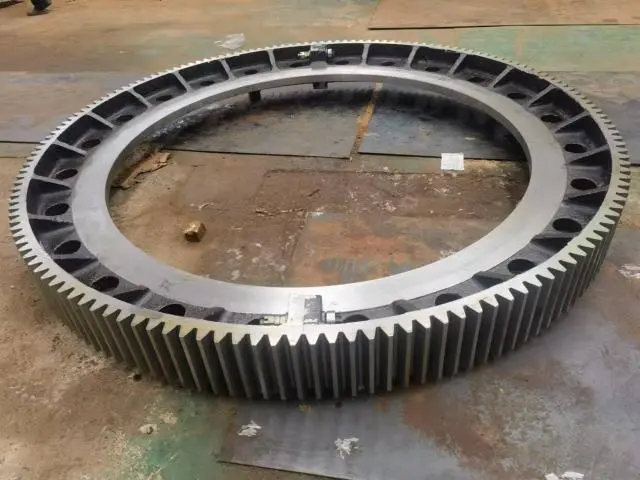
Understanding Spur Gear Wheels for Heavy-Duty Applications
For decades, basic mechanical concepts have been used to make Spur Gear Wheel components that are used to transmit power in factories work well. These parts fit together perfectly to move rotary motion and torque between parallel shafts. This makes constant velocity ratios, which are necessary for knowing how the machinery will work.
Core Operating Principles and Design Features
Straight teeth distinguish these gear wheels from helical or bevel ones. Parallel-cut teeth touch quickly, providing radial forces without axial thrust. This simplifies bearing housing design and fitting. This design provides stable performance in heavy-duty environments where machinery operates constantly under strain. The involute tooth shape, commonly adjusted at pressure angles of 20° or 14.5°, ensures good tooth fit and evenly distributes contact stress. The material and craftsmanship of these pieces determine their load capacity. Quality gear wheels can transfer power from a few hundredths of a horsepower in small reducers to thousands in massive mine crushers. Industrial parts are distinct because they can withstand shock and shaking without deforming.
Material Selection for Extreme Operating Conditions
The composition of a material determines its durability and breakability. High-grade metal steels are stronger than their weight and heat-treatable, thus heavy-duty employs them. 45# steel is used for moderate-load applications, AISI 4140 and 42CrMo for toughness, and case-hardening kinds such 20CrMnTi, AISI 8620, and SAE 4320 for durability. Case hardening by carburizing makes the outer wear-resistant and the inner flexible to handle impact loads. After treatment, surface hardness is usually 58–62 HRC, making pitting and scoring difficult. Quenching and tempering increase the metal's grain structure, matching its hardness and breakability. Induction hardening only reaches wear-prone tooth surfaces.
Types and Designs of Spur Gear Wheels Suitable for Heavy-Duty Use
Different designs meet the different operating needs of different types of tools. When engineers understand these differences, they can choose Spur Gear Wheel parts that meet efficiency needs while keeping costs low.
Classification by Module and Precision Standards
Module size—the pitch width to tooth count ratio—determines load capacity and physical dimensions. Fine-pitch gears with modules from 0.5 to 3 run smoothly and silently in small clutches and instrument drives. Most industrial machinery has 3–10 medium modules. These modules are sturdy and affordable. A coarse pitch of 10–50 modules can manage enormous power loads in large rolling mills, cement mills, and mining equipment. Precision grading greatly impacts performance. ISO quality standards 5 and 6 are the most accurate, excellent for high-speed or noisy applications. Grind heated bits to reach them. Heavy-load, moderate-speed machines that can manage modest tooth width variances are cheaper in grades 8–9. Each grade increment adds 15–25% to manufacturing costs, thus purchase decisions must balance precision and operations.
Tooth Profile Variations and Custom Features
Standard 20° pressure angle involute forms strike the optimal balance between load capacity and manufacturing convenience. Modified profiles with tip relief or root fillet improvement may reduce stress for particular uses. These adjustments benefit mine crushers and rotary compressor drives with high shock loads. Custom features increase installation flexibility and efficiency. The shaft can be attached by keyways, splines, or curved bores. Split designs are easier to place in the field without disassembling the shaft. Hub extensions hold extra pieces. These needs should be clearly stated in the procurement specs since customisation affects lead times and prices.
Comparative Analysis: Spur vs. Helical and Bevel Configurations
Knowing gear disadvantages helps explain why straight-tooth designs are still most frequent in large machinery. Helical designs are smoother and quieter because they gradually engage the teeth, but they create axial thrust that requires thrust bearings and more sophisticated housings. Their 2-5% efficiency advantage over spur designs isn't as large in low- to moderate-speed circumstances where mechanical losses aren't important. Cross-wheel bevel gears transfer power. They cost more and take longer to make to compensate for space. When parallel shaft arrangements meet layout objectives, systems perform well because they are cheaper and easier to maintain. When near humans or sensitive equipment, spiral choices may be better due to noise. Current straight-tooth variants are quieter due to profile grinding and lubrication improvements. Helical alternatives' sound benefits are generally outweighed by cost savings from easier setups in industrial environments above 80 dBA.
Selecting the Best Spur Gear Wheel for Your Heavy-Duty Machinery
Structured decision models are used to find the best answers in effective procurement, which matches technical requirements against business facts.
Critical Technical Parameters
Spur Gear Wheel selection is based on estimates of torque ability. Engineers have to figure out the working speed, transferred horsepower, and service factors while taking into account shock loads, temperature changes, and job cycles. The Lewis bending stress equations and the AGMA surface longevity formulas can tell you if a component is good enough, but because load conditions aren't always known, safety factors of 1.5 to 2.0 are usually used. To make sure that everything works together, dimensional specs need to be exact. The pitch diameter, outside diameter, bore measurements, face width, and tooth count must all match the needs of the new design or current machinery. When you choose a module, it changes the sizes and center lengths of the gear train. Keyways, set screws, or interference fits are examples of mounting features that can change how something is installed and how stress is distributed along a shaft.
Structured Procurement Decision Framework
Systematic review methods keep specification mistakes from being expensive. Criteria screening sets the lowest standards for things like material quality, precise grade, load rating, and delivery time. Suppliers who don't meet these standards aren't considered further, which speeds up the evaluation process. Demand matching matches the leftover possibilities with the needs of the project. When normal catalog things don't meet the needs of an application, the ability to customize them becomes very important. Low minimum order numbers are good for making prototypes or for companies with small teams of equipment. For big projects or long-term supply deals, production capability and scalability are important.
Identifying Qualified Manufacturers and Distributors
There are many ways to source goods on global markets, and each has its own benefits. Specialized gear makers that only make parts for power transmission systems usually have more technical knowledge than machine shops that do a lot of different things. Their investment in specialized hobbing tools, gear grinders, and heat treatment facilities makes the quality of their work much better. Companies that have worked in the mining or aircraft industries know how strict quality standards and paperwork needs to be. Because they are used to working in tough situations and figuring out why things fail, they can make products that are more durable. YIZHI MACHINERY, which was founded in 2016, is a good example of this specialized focus because it makes custom gears and can do precision grinding as well as a wide range of heat treatment processes, such as induction hardening, cooling and tempering, and carburizing.
Installation, Maintenance, and Troubleshooting Tips for Heavy-Duty Spur Gear Wheels
Proper fitting methods and regular servicing keep Spur Gear Wheel parts working longer and stop them from breaking down without warning, which can stop activities.
Essential Measurement and Calculation Guidelines
Correctly checking the sizes of things stops problems with assembly and wear and tear before they should. By dividing the pitch diameter (in mm) by the tooth count, you can find the module based on the measured parameters and check the catalog specs. Labeling mistakes can be found before installation by comparing this measurement to the specs. By figuring out the center distance, you can find the right shaft spacing for the best mesh contact. The possible center distance is found by adding the pitch sizes of two gears that fit together and dividing by two. In real life, setups need small increases—usually 0.002 to 0.004 inches for every inch of center distance—to provide the backlash that keeps things from joining when the temperature rises. To measure backlash, feeler gauges or crank markers are used to find out how much space there is between teeth that are meshing.
Proactive Maintenance Practices
Scheduled routine inspections find problems as they start to form before they become major fails. Visual exams find broken teeth, wear patterns that don't make sense, or contamination buildup. By checking the tightness of fixing bolts, they don't come loose when they're vibrated. Maintaining an eye on the working temperatures can reveal faulty lubrication or mismatch that causes too much friction. How parts are oiled has a huge effect on how long they last. Extreme pressure (EP) additives in gear oils make protection layers that keep metals from touching each other when the lubrication conditions are at their limits. Choosing the right viscosity weighs the ability to carry weight against the loss of energy caused by churning. ISO VG 220-460 types are popular in enclosed industrial drives.
Common Issues and Diagnostic Approaches
Too much noise is often a sign of problems with the tooth shape, not enough grease, or contamination. Gradual contact makes helical designs naturally quieter, but noise can be kept to a minimum in straight-tooth designs with the right greasing and careful grinding. Sudden rises in noise are a sign of tooth damage that needs to be checked out right away. Vibration research shows problems with imbalance, misalignment, or tooth space. Accelerometers placed close to gear meshes pick up on specific frequencies that show what kind of fault it is. Trending shaking data shows slow damage, so planned maintenance can be done instead of emergency fixes. Surface pitting and spalling result from contact fatigue under repeated stress cycles. Micropitting looks like glossy areas that make teeth less accurate and increase friction. Both problems are caused by not enough grease, too much load, or bad materials.
Cost and Procurement Insights for Bulk Buying Spur Gear Wheels
Understanding cost drivers and sourcing strategies optimizes Spur Gear Wheel procurement budgets while maintaining quality standards.
Primary Cost Factors and Value Drivers
The price is heavily affected by the quality of the material. For example, expensive alloy steels cost 30 to 50 percent more than normal carbon grades. This investment pays off when the longer service life and less downtime cancel out the original costs. Upgraded materials work best in situations where parts need to be replaced often because they wear out. The amount of precision is directly related to the cost of production. ISO grade 5–6 parts that need to be ground up cost 40–60% more than grade 8–9 parts that only need to be hobbed. Customization costs more in engineering and production, but it makes performance better. Standard stock parts are easy to get and don't cost as much per unit, but they might not work as well or may need extra hardware for adaptation. Heat treatment processes have an effect on both cost and function.
Strategic Bulk Purchasing Advantages
When you commit to a volume, you can get big cost cuts. When you order 50 to 100 pieces, you can usually get 15 to 25 percent off the price of a single unit. This is because makers spread the cost of setup over bigger orders. Pricing stability and assured capacity allocation during high demand times are provided by annual contracts with planned releases. Standardization across groups of tools increases the benefits of volume. By using the same gear sizes and modules on different types of machines, you can save money on purchases and make managing your supplies easier. Fewer types of extra parts mean lower carrying costs and emergency purchase risks. When you plan ahead, lead time talks become more open to change.
Global Sourcing Strategies and Vendor Evaluation
Verification of the supplier's abilities is the first step in qualifying them. Asking for views of the building shows how complex the equipment is and how the process is controlled. CNC gear hobbers, precise grinders, and current heat treatment furnaces are all signs of good production skills. Verification of certifications gives buyers more faith in what suppliers say. Registration under ISO 9001 means that quality management is done in a planned way. How well you communicate is just as important as how well you can use technology. It's easier to get a project done when suppliers give thorough quotes that cover all the points of the standard, offer alternative methods when needed, and answer technical questions quickly. Logistics skills complete the source process, balancing cost and speed through multi-modal transport.
Conclusion
To choose the best Spur Gear Wheel components for heavy-duty machinery, you have to use systematic evaluation methods to balance scientific requirements with practical needs. The choice of materials, accurate grades, and quality control during production all have a direct effect on how well they work and how long they last. Structured buying systems that check sellers based on their skills, certifications, and ability to adapt to specific needs help find partners who offer more than just low prices. Correct fitting, regular upkeep, and diagnostic knowledge make parts last longer and avoid expensive downtime. Total cost of ownership is managed by strategic buying that uses volume agreements, supplier relationships, and transportation optimization. When procurement workers and engineers understand how these factors affect each other, they can choose parts that meet the needs of difficult industrial, mining, and aerospace uses while staying within budget.
Frequently Asked Questions
1. What distinguishes spur gear wheels from helical configurations in heavy machinery?
The main difference is how the teeth are arranged and how the force lines are formed. When straight teeth quickly contact, they only produce radial forces. This gets rid of axial thrust and makes bearing arrangements easier for Spur Gear Wheel systems. Helical options have angled teeth that make contact more gradual and lower noise, but they also create axial loads that need thrust bearings. Heavy machinery likes straight-tooth designs over parallel shaft setups because they are more cost-effective and easier to maintain, but they make a little more noise.
2. How should material selection address extreme operating environments?
Material needs are determined by operating factors. Case-hardening alloy steels like AISI 8620 or 20CrMnTi make tough cores and hard, wear-resistant surfaces that are good for mining equipment that is subjected to shock loads and contamination. For continuous high-load uses, types 4140 or 42CrMo that have been through-hardened work best because they are strong and easy to machine. Extreme temperatures call for alloys that keep their qualities over a wide range of temperatures. Talking to metallurgy experts makes sure that the requirements meet the needs of the surroundings.
3. What maintenance practices most effectively extend component lifespan?
The most effective way to handle lubrication is to use high pressure gear oils with the right viscosity grades and check for contamination through oil analysis. Edge loading, which speeds up wear, can be stopped by checking the alignment often. Regular checks find problems before they become fails. When you attach something correctly, with the right amount of backlash and torque, you set the stage for years of solid service. Maintenance schedules that are written down and include trend analysis allow for proactive actions instead of reactive fixes.
Partner with YIZHI MACHINERY for Premium Spur Gear Wheel Solutions
YIZHI MACHINERY provides high-quality engineering by making unique Spur Gear Wheel manufacturer power transmission parts that meet the strictest industry needs. Our manufacturing methods are in line with ISO standards and include precise grinding, thorough heat treatment, and strict quality checks to ensure that parts work efficiently in harsh circumstances. We are a reliable seller because we have been making them for fifteen years for the mining, aerospace, and industrial gear industries. We can take orders for anything from a single sample to a lot of them, so we can help projects of all sizes without any problems. Our 35–60 day delivery plans strike a balance between high-quality craftsmanship and quick service. Full logistics support, including custom protective packing and real-time package tracking, makes sure your parts arrive on time and undamaged. Get in touch with our expert team at sales@yizmachinery.com to discuss your unique application needs and find out how our customization options can help your machinery work better.
References
1. Dudley, D.W. (1994). Handbook of Practical Gear Design and Manufacture. CRC Press, Boca Raton, Florida.
2. American Gear Manufacturers Association (2004). AGMA 2000-A88: Gear Classification and Inspection Handbook—Tolerances and Measuring Methods for Unassembled Gears. Alexandria, Virginia.
3. International Organization for Standardization (2013). ISO 1328-1:2013 Cylindrical Gears—ISO System of Flank Tolerance Classification. Geneva, Switzerland.
4. Budynas, R.G. and Nisbett, J.K. (2020). Shigley's Mechanical Engineering Design, 11th Edition. McGraw-Hill Education, New York.
5. Radzevich, S.P. (2012). Dudley's Handbook of Practical Gear Design and Manufacture, 2nd Edition. CRC Press, Boca Raton, Florida.
6. Townsend, D.P. (1991). Dudley's Gear Handbook: The Design, Manufacture, and Application of Gears, 2nd Edition. McGraw-Hill Professional, New York.

USER EVALUATE
Here is the customer's evaluation of us