
What Makes Industrial Spur Gear Ideal for Motor Reducers and Machinery?
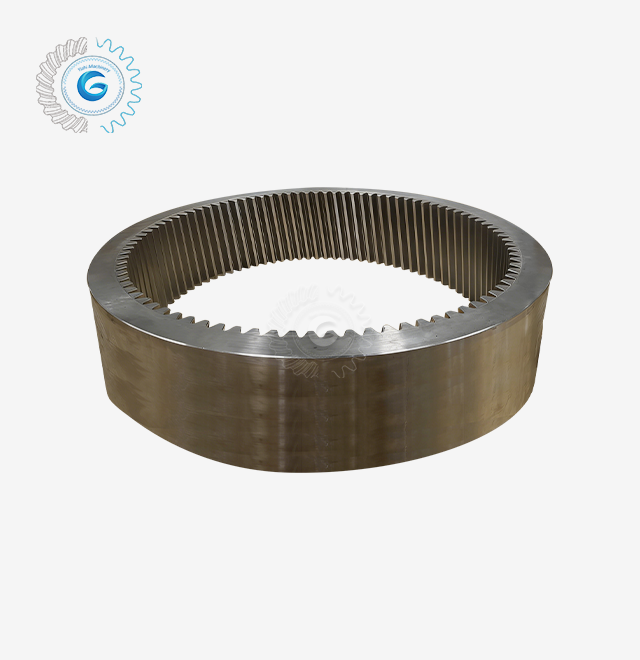
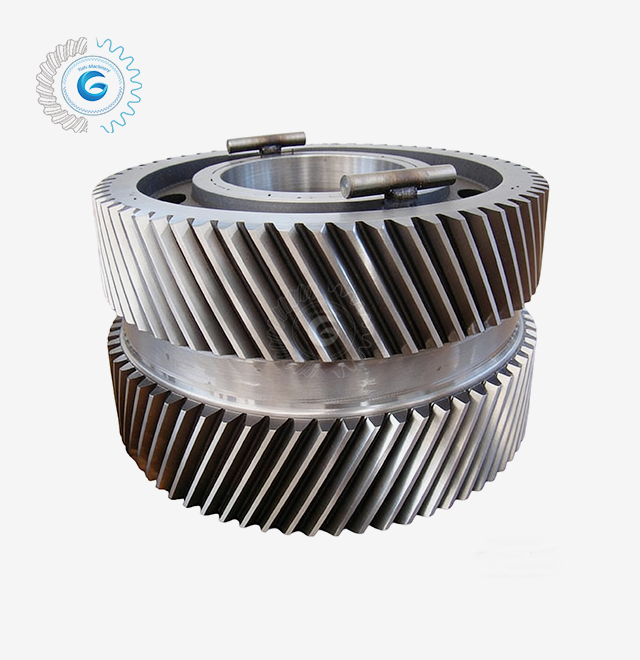
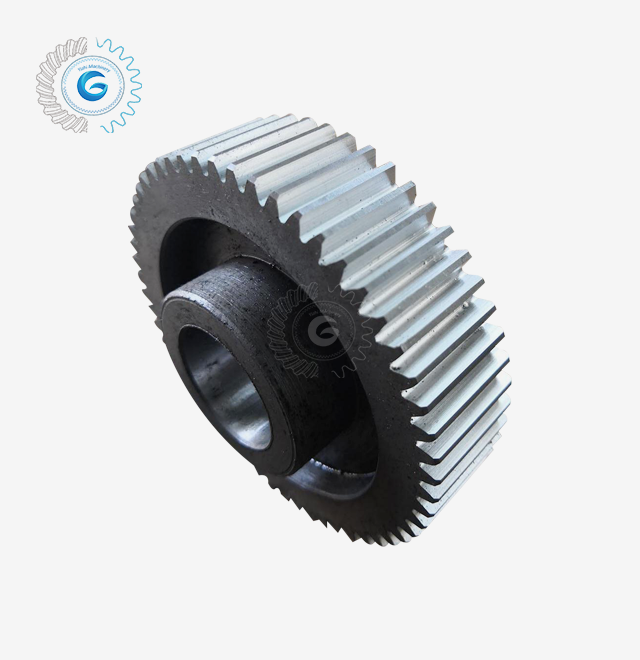
Industrial Spur Gear parts are the most important parts of modern mechanical power transfer systems because they are so reliable in motor reducers and heavy machinery. These cylinder-shaped gears have straight teeth that are parallel to the axis of rotation. This makes it possible for power to be transferred between parallel shafts very efficiently; transmission efficiency is often over 98%. The basic design gets rid of axial thrust loads, which makes bearing requirements simpler and provides steady velocity ratios that are needed for precise industrial operations in the aircraft, mining, and manufacturing sectors.
Understanding Industrial Spur Gears in Motor Reducers and Machinery
For spur gear systems to work, the teeth on the gears have to fit together perfectly so that mechanical power can be sent between moving shafts. In motor reducer uses, the gear teeth move in a rolling and sliding motion that changes the input speed into the required output power. Because of this basic process, they are essential parts in a huge range of industrial settings.
Core Design Elements and Tooth Profile Engineering
The involute tooth shape is the usual way that modern gears are made. It makes sure that power is transferred smoothly even when the load changes. Module specs that range from 0.5 to 50, pressure angles that are usually set at 20 degrees, and face width estimates that spread loads evenly across the tooth surface are some of the most important design factors. These specs have a direct effect on how much weight a gear assembly can hold and how smoothly it works. The choice of material is very important for how well the gear works. Materials like 45# steel, 20CrMnTi, 40CrNiMo, SAE4340, and AISI4140 metals are all options. When it comes to strength, longevity, and cost-effectiveness, each material has its own benefits. For tough jobs in mining tools and aircraft systems, new alloys like 18CrNiMo7 and 20CrNi2Mo offer better resistance to fatigue.
Manufacturing Processes and Quality Standards
Many complex industrial methods are used to make modern gears, such as forging, cutting, hobbing, milling, and precise grinding. The hobbing process makes the first tooth shape by rotating the gear blank and cutting tool at the same time. Later sanding steps make sure the end dimensions are correct. These steps make sure that the parts meet ISO 5-6 grade precision standards, making them ideal for important industry uses. Some heat treatment methods, like carburizing, cooling and tempering, and induction hardening, make the surface last longer and hold more weight. Surface hardness is usually between 45 and 50 HRC for everyday use and between 58 and 62 HRC in high-stress situations. These processes make surfaces that don't wear down while keeping the tough core qualities that are needed for shock load resistance.
Advantages of Industrial Spur Gears for Motor Reducers and Machinery
Although spur gear systems are simple to build, they have big practical benefits that make them the best choice for industrial uses. Their simple shape makes them easy to make and doesn't cost much. They also transmit power reliably and meet strict performance standards.
Efficiency and Performance Characteristics
Industrial Spur Gear systems can transmit power more efficiently than many other ways, with efficiencies of 98 to 99%. Because the teeth contact directly, there is less energy loss due to friction. This makes them perfect for uses where saving energy affects running costs. This high level of efficiency comes from the fact that rolling contact between tooth surfaces makes less heat than moving contact. Spur gears are different from helical designs because they don't have axial thrust forces. This makes choosing bearings and designing housings easier. This feature lowers the cost of production and upkeep while increasing the general reliability of the system. This design advantage is very helpful for motor reducer systems because it makes the bearing setups simpler, which means there are fewer places where things could go wrong.
Material Performance and Durability Factors
Advanced metals makes it possible for things to last a very long time in harsh industrial settings. When precision heat treatment is combined with high-quality steel alloys, parts are made that can handle extreme loads and working circumstances. With regular maintenance that focuses on proper lubricant, service life is greatly increased, and many systems can run for more than 20,000 hours. Managing oil correctly stops wear from happening too soon and lowers noise levels during operation. Synthetic oils made just for gear uses protect better against scuffing and pitting and keep their viscosity over a wide range of temperatures. This way of maintaining the gear makes sure that it works the same way throughout its useful life.
Evaluation Criteria When Choosing Industrial Spur Gears for Procurement
When choosing gear parts for specific uses, procurement workers have to weigh a lot of different factors. To make a choice, you have to look at operational needs, budget limits, and long-term performance goals in order to find the best options.
Custom Solutions versus Standard Components
When you need particular dimensions or performance characteristics for a specific purpose, custom gear manufacturing can be very helpful. Customizing tooth numbers, modules, and face sizes lets you precisely match them to the needs of an application, improving performance while avoiding the costs of over-engineering. Production times of 35 to 60 days work for most projects and make sure that quality control methods are carried out thoroughly. Many popular uses can save money by using standard parts, but custom solutions often offer better value by improving performance. Total lifecycle costs, not just the original purchase price, should be taken into account during the evaluation process. This is because properly defined custom gears often have longer service lives and less upkeep needs.
Heat Treatment Selection and Load Capacity Optimization
When heat is applied in different ways, it changes the behavior in ways that are best for different situations. Carburizing makes the outside layers hard while keeping the insides tough. This makes it perfect for uses that need to handle shock loads and changing working conditions. Induction hardening lets you precisely control the hardened areas, which lets you make the most of specific load patterns and stress ranges. Choosing the right heat treatment has a direct effect on how much weight it can hold and how long it will last. When Industrial Spur Gear parts are heat treated according to the right guidelines, they can hold a steady amount of weight even when put through tough situations. To get the best performance, surface hardness requirements must match up with expected working loads and weather factors.
Comparing Industrial Spur Gears with Alternative Gear Types for Machinery
Understanding how different types of gear work lets you make smart buying decisions based on the needs of your particular application. There are pros and cons to each type of gear arrangement that make it better or worse for different commercial uses.
Performance Analysis Across Gear Configurations
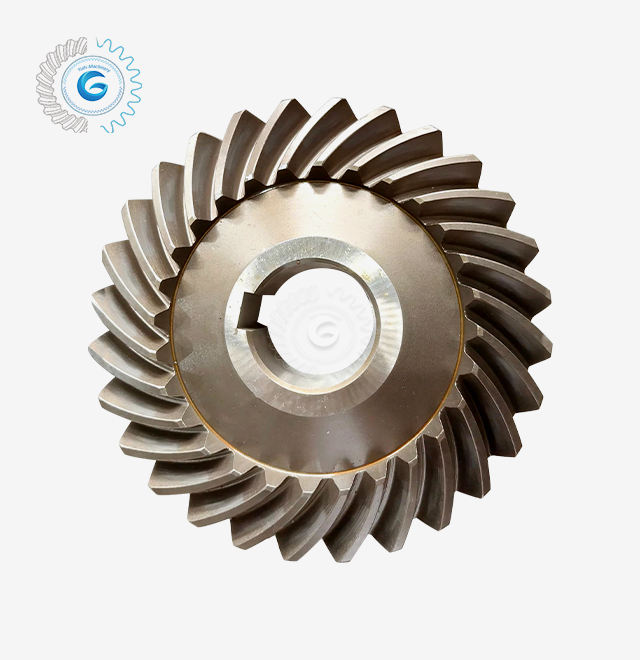
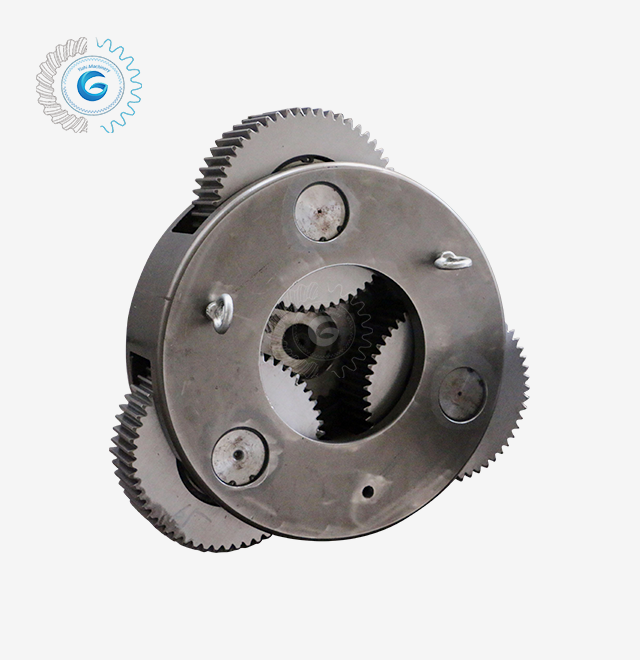
When compared to spur designs, helical gears are quieter to run, but they add axial thrust forces that make bearing setups more complicated. This trade-off between noise levels and technical complexity affects the choice of materials for uses where noise levels affect the working surroundings. Worm gear systems have high reduction ratios and small sizes, but they are less efficient because the parts slide against each other. Planetary gear systems work best in situations where a lot of power is needed and exact speed control is needed. However, they are harder to make and cost more. Bevel gear designs let power flow between wheels that are not parallel, but they usually only work at slower speeds because of how they are made. These comparisons show how flexible and affordable spur gear options are for a wide range of industry uses.
Real-World Application Scenarios
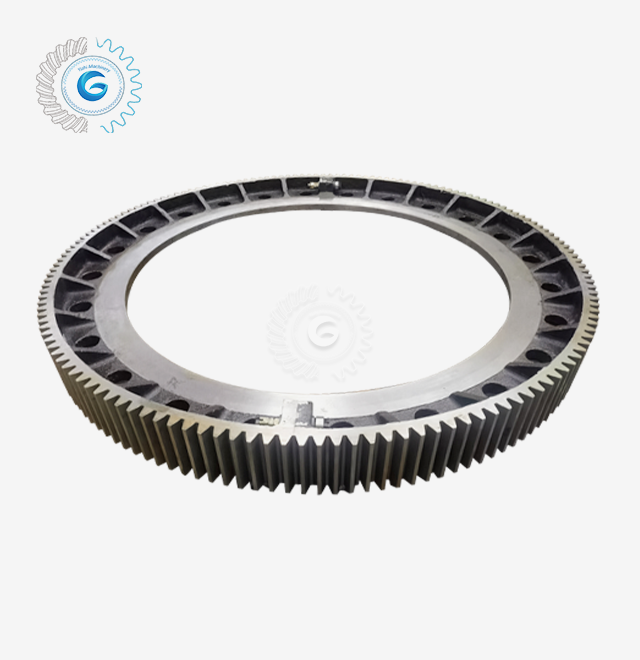
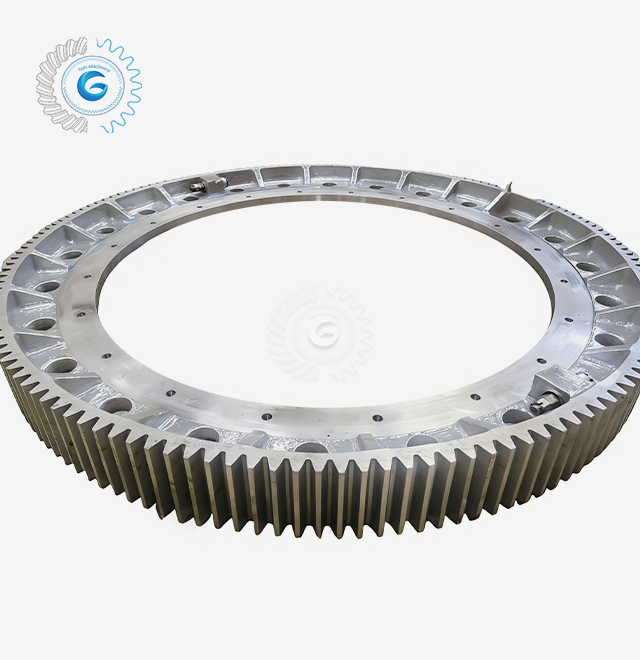
The mining industry is one of the toughest places for gear systems to work, and Industrial Spur Gear parts are known for being very durable in harsh circumstances. In order to handle the huge spinning inertia and shock loads from ore handling, ball mill drives use large-diameter girth gears. The strong design features of spur gears make them useful for important industrial uses, as shown by these installations. When used in conveyor systems, spur gear motor reducers are a safe way to lower the speed and increase the power. The constant velocity ratios make sure that the speeds at which materials are moved are always the same, and the simple design makes upkeep easier. Agricultural machinery also depends on spur gears to last so they can handle different loads and working situations outside.
Procurement Insights: How to Source Industrial Spur Gears Efficiently
Finding sources with proven manufacturing skills and quality control systems is at the heart of effective sourcing strategies. To make sure the project is a success, the evaluation method should focus on technical skills, output capacity, and the dependability of the supply chain.
Supplier Evaluation and Quality Assurance
Manufacturers with a good reputation keep their certifications up to date, such as ISO quality control standards and proof that they follow international guidelines for making gear. High-precision CNC gear machining centers, automatic grinding machines, and clever heat treatment lines are examples of production equipment that shows the ability to make things that can be used in tough situations. Using coordinate measuring tools and gear inspection centers for quality control makes sure that measurements are correct and that the product works well. When you work with the same suppliers for a long time, you can get better professional help, more reliable delivery, and stable costs. When judging a supplier, you should also look at how well they can provide engineering support. This is because getting technical help during the planning part can help you avoid costly mistakes in the specifications and get the best performance.
Procurement Process Optimization
The normal buying process includes talking about requirements, making design models, machining for production, inspecting quality, packing, and shipping. This makes sure that orders are filled quickly. Misunderstandings that could affect delivery dates or product performance can be avoided by being clear about technical standards and performance goals. Bulk order price structures often offer big savings on costs while making sure there is enough inventory for repairs and replacements. Knowing when things are made helps with planning projects and keeping track of supplies. Industrial Spur Gear production usually takes 35 to 60 days from the time an order is confirmed until it is delivered. This gives enough time for quality control and any special changes that need to be made. This plan works for most industrial projects and makes sure that all the details of making are carefully thought out.
Conclusion
The combination of high transmission efficiency, robust design, and cost-effective manufacturing makes industrial spur gears the preferred choice for motor reducers and machinery applications across diverse industries. Their simple yet effective design delivers reliable power transmission while minimizing maintenance requirements and operational costs. The ability to customize specifications enables optimization for specific applications while maintaining compatibility with standard manufacturing processes. Quality materials, precision manufacturing, and appropriate heat treatment ensure long service life under demanding operational conditions, making these components essential elements in modern industrial power transmission systems.
FAQ
1. What factors determine the optimal module size for specific applications?
Module selection depends on transmitted torque, operating speed, and available space constraints. Larger modules provide increased load capacity but require more installation space, while smaller modules enable compact designs but may limit power transmission capability. The relationship between module size and gear diameter directly influences the overall reducer assembly dimensions.
2. How do different heat treatment methods affect gear performance characteristics?
Carburizing creates hard surface layers while maintaining tough cores, ideal for shock load applications. Induction hardening provides precise control over hardened zones, enabling optimization for specific load patterns. Quenching and tempering processes balance hardness with toughness, creating components suitable for variable operating conditions.
3. What maintenance practices maximize gear service life in industrial environments?
Regular lubrication monitoring prevents premature wear and reduces operating noise levels. Synthetic lubricants formulated for gear applications provide superior protection against scuffing and pitting. Periodic alignment checks prevent edge loading conditions that accelerate wear and reduce service life.
Partner with Henan Yizhi Machinery Co., Ltd. for Premium Industrial Spur Gear Solutions
Henan Yizhi Machinery Co., Ltd. stands as your trusted Industrial Spur Gear manufacturer, delivering precision-engineered transmission components backed by 15 years of manufacturing expertise. Our advanced production facilities featuring high-precision CNC machining centers and automated grinding equipment ensure ISO-compliant quality standards while maintaining competitive 35-60 day delivery schedules. Contact our technical team at sales@yizmachinery.com to discuss your custom gear requirements and discover how our comprehensive design, manufacturing, and logistics capabilities can optimize your power transmission solutions.
References
1. American Gear Manufacturers Association. "Fundamental Rating Factors and Calculation Methods for Involute Spur and Helical Gear Teeth." AGMA 2001-D04, 2005.
2. Budynas, Richard G., and J. Keith Nisbett. "Shigley's Mechanical Engineering Design." McGraw-Hill Education, 11th Edition, 2019.
3. Dudley, Darle W. "Handbook of Practical Gear Design and Manufacture." CRC Press, 2nd Edition, 2012.
4. International Organization for Standardization. "Cylindrical Gears - ISO System of Flank Tolerance Classification." ISO 1328-1:2013.
5. Litvin, Faydor L., and Alfonso Fuentes. "Gear Geometry and Applied Theory." Cambridge University Press, 2nd Edition, 2004.
6. Radzevich, Stephen P. "Dudley's Handbook of Practical Gear Design and Manufacture." CRC Press, 3rd Edition, 2016.

USER EVALUATE
Here is the customer's evaluation of us