


Helical Gear Wheel Price Factors Explained
It's not enough to just look at a figure to understand how the prices of Helical Gear Wheel parts change over time. You need to understand how design, materials, manufacturing precision, and application complexity all affect prices. We at YIZHI MACHINERY have been helping buying managers, engineers, and dealers get through these tough situations for more than 15 years. The price of a Helical Gear Wheel is based on its angled tooth shape, which makes it easier to connect and better distributes load than regular spur gears. The end cost is affected by the choice of material, the cutting processes (such as hobbing and grinding), the need for customization, and the heat treatment requirements. When you know about these things, you can bargain smartly, choose the right provider, and make sure your equipment works well for years to come.
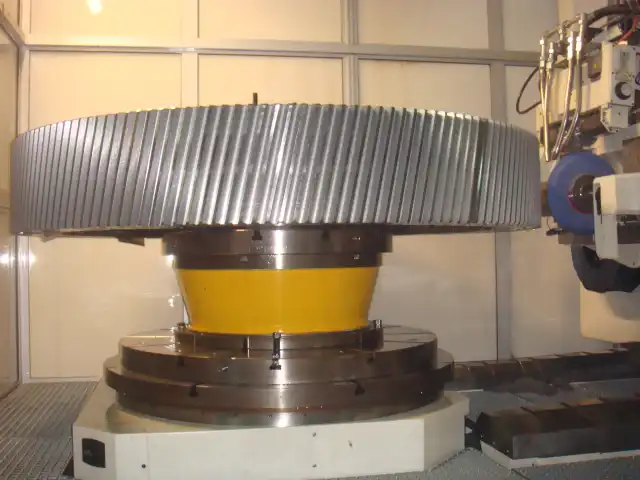
Understanding Helical Gear Wheels and Their Design Principles
Helical Gear Wheel components are different from other types of gears because their teeth are at an angle and connect gradually instead of all at once. This part of the design makes a moving contact that spreads loads more evenly across the tooth surface. This lowers stress levels that can cause the tooth to break before it should. The helix angle, which is usually between 5° and 45°, affects not only how smoothly and quietly the gear works, but also how hard it is to make and how much axial power the bearings have to handle.
The Role of Helix Angle in Performance and Cost
The helix angle has a direct effect on both how the product works and how much it costs to make. Lower angles, between 5° and 15°, make making easier, but they also make it easier to connect, which means that noise levels are a little higher. Higher angles, like those between 35° and 45°, make contact ratios longer and operations quieter, but they also need more complex sets for cutting and tighter standards. Because of this need for accuracy, production processes are longer and costs are higher. At YIZHI MACHINERY, we can change the helix angles to fit the needs of your application while keeping performance goals and cost concerns in mind. Our ISO 6 Grade accuracy makes sure that even complicated angle specifications meet strict requirements without raising costs for no reason.
Module and Tooth Profile Impact
Module, which is the ratio that determines the size of the teeth, goes from 0.5 for fine tools to 50 for heavy mining equipment. The price goes up because bigger parts need more raw materials and take longer to machine, which directly affects the price. For the involute tooth shape that is common in current Helical Gear Wheel designs, you need special hobbing cutters and grinding wheels that are set to exact specs. Any difference impacts the load ability and service life. We make Helical Gear Wheel components for all of these different module sizes using high-tech CNC gear machining centers that stay consistent whether they're making a tiny 0.5-module part for aircraft or a strong 50-module gear for mine crushers.
Pressure Angle Considerations
In industrial settings, pressure angles of 20° or 25° usually have an effect on tooth strength and contact stress. Higher pressure angles make the tooth root stronger, but they also make the radial bearing loads higher. This design choice affects not only how well the gears work, but also how much the supporting structure needs to be, which has a secondary effect on the total cost of the system. When choosing Helical Gear Wheel components, knowing how pressure angle affects the bearings you choose and the shape of the housing can help you get the most out of your original investment and your long-term maintenance costs.
Main Price Drivers of Helical Gear Wheels
How much you pay for good Helical Gear Wheel components depends on a number of linked factors. Choosing the right material is the first step, but production methods, size requirements, and the level of customization add extra costs that can be managed with smart procurement strategies.
Material Selection and Grade Impact
One of the most important cost factors in making Helical Gear Wheel components is the choice of material. Basic materials like 45# steel work well enough for moderate-load situations and are reasonably priced. As you move up the quality ladder, alloy steels like 20CrMnTi, 42CrMo, and AISI 4140 offer better hardenability and toughness. They also cost more, but their longer service life makes it worth it. Specialized grades like 18CrNiMo7, SAE 4340, and 20CrNi2Mo are at the top. They have great strength-to-weight ratios that are needed for aircraft and high-performance car uses. YIZHI MACHINERY has long-term partnerships with approved material sources that help us keep the quality of 12 different grades of steel the same. We can offer reasonable prices without sacrificing the quality of the materials because we have an edge in where we get them. Our technical team helps you choose the best grade of material for your load needs and working area without making you spend too much on extra features that aren't necessary. The cost of the material can change by 300% based on the grade, so it's important to make smart decisions when managing your budget.
Manufacturing Process Complexity
The way things are made has a huge effect on both costs and arrival times. From the raw casting to the finished Helical Gear Wheel, there are a number of precise steps that must be taken:
1. Forging and Initial Machining: As a result of hot forging, the basic gear blank is made with the grain structure oriented for maximum strength. This method costs more than just cutting bar stock, but the results are better mechanical qualities that keep the parts from breaking in terrible ways when they are shocked. Our forging relationships make sure that the best use of materials is made, which cuts down on waste and keeps prices down.
2. Hobbing and Tooth Generation: Hobbing tools cut the helical teeth by moving in a constant producing action. The efficiency of the process affects how well the gears work and how accurately they are made. We use high-precision CNC hobbing centers that can keep margins to within 0.01mm, which meets ISO 6 Grade standards and is needed for tough jobs. Precision hobbing takes a lot of time, which directly affects the cost. For example, a normal gear might need two hours of machining, but a precision aircraft part might need eight hours or more.
3. Grinding Operations: Tooth grinding is the most precise way to make things because it can get surface finishes below 0.8 Ra and fix any distortions caused by heat treatment. This finishing step can add 40 to 60 percent to the base cost of cutting, but it is necessary for high-speed uses where surface flaws cause vibration and wear before their time. Both exterior and internal helical teeth can be ground on our fully automated gear grinding tools, so the quality of each run is the same.
Heat Treatment Variables
Heat treatment changes the mechanical qualities of things, which has a big effect on both price and function. There are three main ways that can be used for different purposes: Carburizing makes the outside tough and resistant to wear (58–62 HRC), while the inside stays tough and flexible. Depending on the case depth needed, this process can take anywhere from 12 to 24 hours and costs a lot of money. However, it is necessary for gears that are under a lot of contact stress. When you quench and temper metal, it makes the whole thing the same hardness (usually 45–50 HRC). This gives you a great mix of strength and toughness at a reasonable price. When compared to carburizing, induction hardening specifically strengthens tooth surfaces quickly while lowering distortion and energy use and costs. We make sure that the heat process you choose fits the needs of your product. For longer life, a mine conveyor gear that works at low speeds might need to be quenched and tempered, but a high-speed compressor gear needs to be fully carburized. This customized method stops over-engineering, which raises costs without providing the right amount of value.
Size and Load Capacity Specifications
The prices change because of the physical measurements and load rates. A Helical Gear Wheel with a pitch width of 500 mm needs a lot more material, more time to machine, and more tools to handle than a 100 mm part. The load capacity determines the material grade and heat treatment depth, which makes costs even higher. High-capacity gears made for mines or big gearboxes usually have modules bigger than 20 and face sizes bigger than 300mm. To make them, special machines are needed, and the production process takes 45 to 60 days. We can make everything from small, precise gears for machine tool wheels to huge units for industrial extruders. Because we can make a lot of different sizes, we can find the best ways to make each one. This way, we avoid the waste that happens when makers use their tools outside of its "sweet spot." Our prices are based on how efficiently we make things, not on how well we can improvise. This is true whether you need a small high-speed gear or a huge low-speed force.
Customization and Non-Standard Requirements
Standard stock gears are the least expensive, but in the real world, special specs are often needed. When there are non-standard tooth numbers, special bore shapes, built-in mounting features, or specific material needs, engineering analysis, custom tools, and new production processes need to be done. Costs can go up by 25–75% compared to normal offers because of these things. These problems can be turned into possibilities with YIZHI MACHINERY's wide range of customization options. At every step, our design team works together, from communicating requirements and making detailed drawings to completing orders and checking for quality. We've created standard processes for special orders that keep things flexible while reducing waste. Our low minimum order numbers make even one-piece production possible. This way, you can make sure that developing a prototype or replacing an extra part doesn't break your budget.
Comparing Helical Gear Wheels with Other Gear Types for Cost Efficiency
The choice of gear type has a big impact on both the original investment and the costs over the life of the Helical Gear Wheel. Each setup meets different mechanical needs. Knowing these trade-offs keeps application needs and component skills from not matching up, which can be very expensive.
Helical vs. Spur Gears: Performance Premium Analysis
Spur gears have teeth that are aligned to the shaft axis. This makes them easier to make, which means they cost 20–30% less than similar Helical Gear Wheel versions. They work great in low-speed situations where their higher noise levels and sudden tooth contact don't cause too many problems. But they can't hold as much weight per unit size as helical designs can, and they vibrate too much to be used in high-speed precision equipment. Helical gear wheels cost more than other types of wheels, but their performance benefits make up for it. Impact loading is reduced by the gradual tooth contact, which lets the machine run at speeds above 6,000 RPM without making too much noise or shaking. The bigger contact area spreads out the loads better, which lets the envelope dimensions get smaller while still holding the same amount of force. Even though the parts are more expensive, helical gears are often cheaper when you add up the cost of the bearings, the case, and any noise reduction.
Specialized Gear Types and Niche Applications
Bevel gears can be used in places where Helical Gear Wheel components can't, like differential drives, to send power between shafts that cross each other. Because they are harder to make and require special cutting and grinding techniques, they cost 50–100% more than helical gears of the same size. Worm gears offer high reduction ratios in small packages that can lock themselves. However, they are less efficient because they slide against each other and need expensive metal worm wheels. Procurement teams have to decide if the extra costs for these specific tasks are worth it. Helical Gear Wheel components offer the best mix of cost and performance in most parallel-shaft uses, such as compressors, conveyors, and machine tool drives. Because they can work at a variety of speeds and carry a lot of weight, they are usually the first choice. Specialized types have to show strong benefits to beat them.
Procurement Considerations: How to Buy Helical Gear Wheels Smartly?
Comparing price quotes is only one part of effective buying for a Helical Gear Wheel. Strategic methods include evaluating suppliers, making sure specifications are clear, planning when to place orders, and managing relationships in a way that maximizes value across multiple buying cycles.
Supplier Qualification and Certification
Manufacturers with a good reputation show their dedication to quality by getting recognized certificates and keeping clear output records. ISO compliance makes sure that quality management is done in a planned way, and badges specific to the business show that the product can handle tough tasks. Our ISO-standard production processes at YIZHI MACHINERY make sure that every Helical Gear Wheel always meets the written specs. Check the skills of the production tools in addition to the certifications. High-precision CNC gear machining centers, automatic grinding machines, and clever heat treatment lines are all signs that you are investing in quality, which is good for your products. Our site tour program lets serious buyers check out the controls and capabilities of the equipment in person, which builds trust that allows partners to make promises.
Specification Communication and Documentation
It costs a lot to fix problems caused by unclear specs. Write down the tooth numbers, module, helix angle, material grade, heat treatment needs, and expected surface hardness. Give assembly context so that makers know how the parts will be loaded and what external factors will affect them. During the pre-sales planning process at YIZHI MACHINERY, we offer design drawing services to make sure that everyone understands before production starts. This way of working together stops expensive changes and rebuilds that eat away at budgets and push back deadlines. As normal outputs, ask for material certificates and dimensional inspection reports. These papers make it possible to track things and set standards for future sales. As part of our quality review methods, we include detailed reports that help your own quality management systems and, if needed, show that you're following the rules.
Volume Planning and Lead Time Management
From order approval to delivery, making a Helical Gear Wheel usually takes 35 to 60 days, but this depends on how complicated the job is and where it is in the queue. This schedule includes getting the materials, cutting, heat treatment processes, and checking the quality. Strategic buying plans ahead for these wait times and places orders that fit with the schedules of projects instead of acting on urgent needs that require high-priced expediting fees. When you commit to a certain amount of goods, you can save money by buying materials in bulk and making batches. Even small gains in output, like going from ordering one piece to ordering five, can cut costs by 15 to 20% per unit. We work openly with our customers to find chances where a small investment in goods can save them a lot of money without making their operating costs too high.
Price Negotiation Strategies
Cost reduction and seller viability must be balanced in a good deal. Unrealistic price pressure leads to quality losses that show up as early fails and unnecessary downtime. Instead, look into possibilities for value engineering. For example, could a slightly different type of material meet the needs at a lower cost? Could grinding be sped up by changing the accuracy zones on parts that aren't very important? These talks can happen because YIZHI MACHINERY offers expert advice before a sale. Our engineers know what makes manufacturing costs go up and down, so they can offer options that keep performance high while making the business more cost-effective. As a result of this partnership method, long-term relationships are formed that provide consistent value across multiple projects, rather than one-time saves that make future dependability less likely.
Enhancing Value Through Proper Application and Maintenance
To get the best return on your Helical Gear Wheel investment, you need to think about more than just the purchase price. You also need to choose the right application and do regular upkeep to protect your investment.
Application-Specific Selection Criteria
When used in ways that make the most of their strengths, Helical Gear Wheel components give the best value. Their smooth, quiet operation and good load spread make them great for high-speed machines like compressors and machine tool wheels. The slow contact of the teeth reduces vibrations that could affect accuracy and speed up the wear on the bearings. Automotive gears use their low power density to get the reduction ratios they want while staying within their limited envelope measurements. In contrast, rock crushers and other uses with very low speed and high shock loading may find spur gears acceptable at a lower cost, even though they are not as well made. When doing an application analysis, you should think about things like operating speed, load consistency, noise limits, room limitations, and the service life that you need. Our expert team helps with application reviews to make sure that the specs for Helical Gear Wheel components match up with how they are actually used, not just theoretical maximums that make costs go up for no reason.
Maintenance Practices and Lifecycle Cost Management
Helical Gear Wheel parts last a long time if they are properly oiled. Their angled teeth make a sliding contact that creates heat and needs high pressure lubricants with anti-scuffing additives. Micro-pitting happens when there isn't enough grease. This damages the surface finish over time and speeds up wear. Setting up regular programs to analyze lubricants finds pollution and wear and tear before it does any damage. Regular inspections find new problems quickly, while fixing them doesn't cost a lot of money. Check the surface of your teeth for pits, scores, or wear patterns that don't seem right. Check for strange noises or vibrations that could mean the bearings are worn out or misaligned. Take care of problems right away—a $200 bearing change can save a $5,000 gear failure. Our one-year guarantee gives you peace of mind, but regular upkeep makes the service last much longer, which lowers the total cost of ownership by a large amount.
Conclusion
In conclusion, Helical Gear Wheel prices depend on many factors, including the quality of the materials used, the accuracy of the production process, the level of customization, and the needs of the particular application. When procurement workers understand these factors, they can make choices that balance the initial investment with long-term performance and dependability. The types of materials used (from basic steels to specialized metals), the ways they are made (from forging to precision grinding), and the heat treatment methods all have measured effects on costs that strategic buyers use to get the best value. When you compare helical designs to other types of gear, you can see when their better performance makes them worth the higher price and when easier options are fine. Smart ways to buy things, like checking out potential suppliers, making sure everyone understands the requirements, planning the amount that will be bought, and negotiating with others, get the best deals and build relationships that work across multiple projects. In the end, quality helical gear wheels become long-lasting investments that outperform cheap options in terms of total cost of ownership when they are used in the right way and are maintained regularly.
FAQ
1. What are the biggest factors affecting helical gear wheel pricing?
The main factor that affects price is the material type. For example, 18CrNiMo7 and SAE 4340 are special metals that cost a lot more than regular 45# steel. Precision in manufacturing, especially when grinding to ISO 6 Grade standards, raises base machine costs by 40 to 60 percent but is necessary for tough jobs. Other important cost factors are the type of heat treatment chosen, the level of customization needed, and the size of the component. By knowing what your application really needs, you can avoid defining too many expensive features that don't add enough value.
2. How do helical gears differ from spur gears in terms of cost and performance?
Because they are harder to make, Helical Gear Wheel components usually cost 20 to 30 percent more than spur gears that do the same job. This special version runs more quietly, has less shaking and noise, can hold more weight per unit size, and can be used in high-speed situations. The slow engagement of the teeth spreads the contact loads more widely, which makes the service life longer. Helical gears are better for applications that need precision, small size, or high speed, but spur gears may be enough for simple low-speed drives.
3. Can I order custom helical gear wheels for unique equipment specifications?
Of course. YIZHI MACHINERY specializes in making custom gears and has a wide range of skills, from communicating customer needs through design drawings to production handling, quality control, packing, and shipping. We can work with non-standard tooth counts, modules ranging from 0.5 to 50, Helical Gear Wheel angles, unique bore designs, and special material needs. Our low minimum order numbers make it possible to produce even a single piece at a low cost. This helps with prototype development and the need for specialized tools without requiring customers to commit to holding inventory.
Partner With YIZHI MACHINERY for Your Helical Gear Wheel Requirements
To buy Helical Gear Wheel components, you need to know how to match technical ability with cost-effectiveness. YIZHI MACHINERY has been making accurate gear transmission parts for 15 years for demanding uses in aircraft, mining, industrial machinery, and more around the world. Our ISO-compliant building has cutting-edge CNC gear machining centers, automatic grinding tools, and smart heat treatment lines that make sure the quality is the same for all 12 grades of material and meet ISO 6 Grade standards for limits. As a company that only makes helical gear wheels, we can customize everything from single prototypes to large quantities. Our regular processes mean that you can count on deliveries between 35 and 60 days. Our technical team offers design advice and drawing services before a sale to make sure that the specs meet your needs and your budget. We keep you informed at every stage of the production process by sending you synchronized progress reports, proof of quality inspections, and transportation tracking. Customized packaging with shock-absorbing liners and damage-prevention promises keeps your investment safe, and different ways to move it, such as sea freight, air cargo, and the China-Europe rail, let you meet your exact deadline and number needs. Our end-to-end help makes complicated purchasing easy to work together on, whether you need helical gear wheels for machine tool spindles, compressors, big gearboxes, or precision transmission equipment. Contact our team at sales@yizmachinery.com right away to talk about your unique needs, get expert technical advice, and find out how our mix of high-quality manufacturing and low prices makes us a great value.
References
1. Budynas, Richard G., and J. Keith Nisbett. Shigley's Mechanical Engineering Design, 11th Edition. McGraw-Hill Education, 2019.
2. American Gear Manufacturers Association. AGMA 2001-D04: Fundamental Rating Factors and Calculation Methods for Involute Spur and Helical Gear Teeth. American Gear Manufacturers Association, 2004.
3. International Organization for Standardization. ISO 6336-1:2019: Calculation of Load Capacity of Spur and Helical Gears — Part 1: Basic Principles, Introduction and General Influence Factors. ISO, 2019.
4. Dudley, Darle W. Handbook of Practical Gear Design and Manufacture, 2nd Edition. CRC Press, 2012.
5. Radzevich, Stephen P. Dudley's Handbook of Practical Gear Design and Manufacture, 3rd Edition. CRC Press, 2016.
6. Khurmi, R.S., and J.K. Gupta. A Textbook of Machine Design. S. Chand Publishing, 2005.

USER EVALUATE
Here is the customer's evaluation of us