


Helical Gear Gearbox vs Spur Gearbox: Efficiency Comparison
The argument over the efficiency of helical and spur designs is still at the center of analyzing power transmission systems and making smart buying decisions. Helical Gear Gearbox units usually get 95–98% efficiency per stage, which means they work better than spur gearboxes at high speeds and under big loads. In helical designs, the angled tooth shape encourages steady contact, which lowers friction losses and energy loss due to shaking. This higher mechanical efficiency directly leads to lower operating costs and longer equipment life, which are important factors for industrial tools, mining operations, and aerospace uses that need to be reliable.
Understanding Helical and Spur Gearboxes: Core Differences
Power transfer equipment is an important part of many industrial processes. Knowing the basic differences in design helps buying teams make smart choices. There are more differences between helical and spur designs than just how they look. They also affect speed, maintenance needs, and the total cost of ownership.
The Mechanics of Tooth Engagement
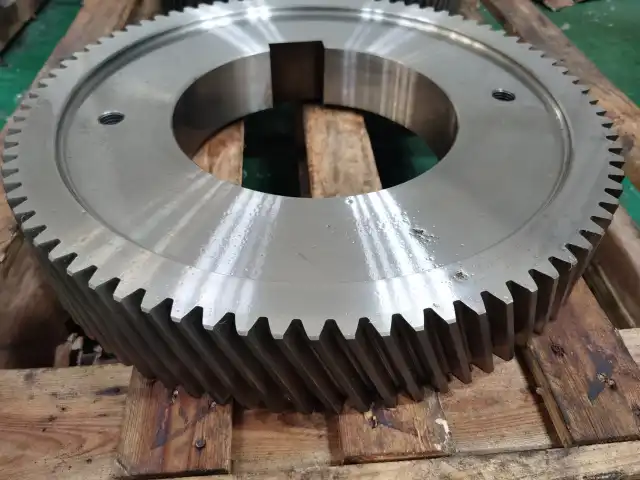
In Helical Gear Gearbox systems, the teeth are cut at an angle to the gear line, usually between 15 and 45 degrees. This slanted shape lets more than one tooth connect at the same time, making a rolling contact pattern instead of the sharp impact pattern that spur gears have. The slow engagement spreads the load over a bigger contact area, which makes it less likely that stress will build up on any one tooth. Spur gears have teeth that are cut straight across and parallel to the shaft. They connect quickly along the whole tooth face. This makes it easier to make and place, but it also causes higher immediate contact pressures and stronger vibration signatures.
Load Distribution and Contact Ratios
The contact ratio, which is the average number of teeth in mesh at the same time, has a direct effect on how smooth something is and how much weight it can hold. Contact ratios stay between 2.5 and 3.5 for helical arrangements but between 1.2 and 1.8 for spur arrangements. This longer contact time makes torque transfer smoother, gets rid of oscillation, and lets more power be stored. Helical teeth are made using hobbing, milling, and precision cutting to make sure they are accurate to an ISO 5-6 grade and keep their shape even in tough circumstances.
Axial Thrust Considerations
The helix angle that makes helical gears useful also creates axial push forces along the shaft. To keep things in line and stop them from wearing out too quickly, these forces need strong bearing systems, usually tapered roller or spherical roller bearings. Spur gears don't cause axial pressure, which makes it easier to choose bearings and build housings. Modern makers solve this problem by making the best arrangements for bearings and making sure the shafts are perfectly aligned during assembly. This makes sure that helical systems work successfully for longer periods of time without needing to be serviced.
Efficiency Comparison: Helical Gear Gearbox vs Spur Gearbox
The amount of energy used, the amount of heat produced, and the prices of running the business are all directly affected by efficiency measures. Procurement workers can choose systems that give the best value over their entire life by understanding how different gear shapes affect how efficiently power is transmitted.
Torque Capacity and Power Loss
It is easier for Helical Gear Gearbox units to handle torque because their teeth touch an area that is larger and connect more smoothly. The slow load application lowers shock loading, which lowers the dynamic stresses that lead to wear breakdowns. The results of tests show that helix designs can handle 20 to 30 percent more force than spur designs of the same size. This higher ability comes from more even loading and less tooth twisting stress. When materials like 20CrMnTi alloy steel are heated and then cooled, they reach a surface hardness of 58–62 HRC while still having a tough core. This is important for keeping the material from wearing out over time when it is used continuously.
Noise and Vibration Impact
How teeth interact with each other is directly related to how much noise is made. Noise levels are usually 10 to 15 decibels higher in spur gear meshing than in similar helix designs because of the quick impact that comes with it. This sound pattern not only makes the workplace less comfortable, but it also shows that energy is being lost through shaking. Vibration energy wastes power and speeds up the wear and tear on parts. Helical Gear Gearbox units are quieter to use because the teeth connect slowly, which reduces shock waves. This better operation cuts down on repair needs and increases the life of bearings, which saves money over the equipment's useful life.
Mechanical Efficiency Under Variable Loads
In real-world applications, loads and speeds are rarely constant, which can challenge power transfer systems. Helical gears maintain efficiency across varying loads due to stable contact patterns and low dynamic effects, while spur gears lose efficiency as loads fluctuate. Manufacturing processes like precision grinding and induction hardening ensure that helical teeth retain their shape and surface integrity, promoting long-term efficiency. They offer enhanced load management, thermal stability, and better durability. The superior wear patterns of helical gears reduce maintenance needs and enhance reliability, making them a more cost-effective choice for industries focused on total ownership costs rather than just initial investments.
Application Scenarios: When to Choose Helical or Spur Gearboxes
Matching the design of the gears to the needs of the application improves both efficiency and cost-effectiveness. Procurement professionals can choose equipment that gives the best value by knowing where each setup performs best.
Heavy-Duty Industrial Applications
Extreme working conditions put power transfer equipment to the test in industries like mining, making cement, and making steel. When moving ore, gravel, or bulk materials, conveyor systems work nonstop with changing loads and are exposed to dust, wetness, and temperature changes. Helical Gear Gearbox units work well in these tough conditions because their strong tooth shape can handle shock loads and their sealed housings keep dirt and other contaminants out. The high starting torque capacity overcomes static friction in conveyors that are heavily loaded, and the smooth running qualities reduce the need for upkeep in places where downtime costs a lot.
Precision Manufacturing Equipment
To keep their dimensions and surface finishes accurate, machine tool wheels, compressors, and precision transmission equipment need power that doesn't shake or flow erratically. Helical designs make it possible to transfer power steadily, which is important for precision machining tasks where even small movements can mess up tolerances. The lower noise levels make it more comfortable for workers in factories, which makes the places where they do their jobs safer and more productive. Custom production lets dimensions be exactly adjusted to meet the needs of an application, ensuring the best possible integration with current equipment.
High-Speed Power Transmission
High-performance industrial tools and uses in space travel use rotational speeds that are too fast for spur gears to handle. Impacts from high-speed spur gears create dynamic loads that make too much noise, vibration, and wear more quickly. Helical Gear Gearbox units work smoothly at high speeds because they engage gradually, which stops the resonance and harmonic excitement problems that happen with straight-cut designs. Precision grinding during manufacturing makes sure that the teeth are accurate enough for high-speed operation, and balanced systems keep vibrations to a minimum, which could shorten the life of the bearings or damage the shaft.
Cost-Sensitive and Simple Installations
For some apps, making things as simple and cheap as possible is more important than making them run faster. For machines with low speeds, sporadic service, positioning systems, and extra drives, the extra complexity of helical designs might not be worth it. When used in these situations, spur gears work well because they are easy to install, require less upkeep, and cost less. In these situations, procurement choices should properly weigh the lower upfront cost against the operating limits that come with spur configurations.
Procurement Considerations for Helical Gear Gearboxes
For strategic buying, evaluations need to go beyond just meeting basic requirements. Knowing the technical needs, customization choices, and supplier skills is important for making sure the job goes well.
Technical Specification Evaluation
For buying to work well, technical needs must be made clear from the start. The torque rates, load limits, speed ranges, and service factors must all match up with how the machine is actually used, not just how it's calculated in theory. Choosing the right materials has a big impact on how well they work and how long they last. For example, alloy steels like 40CrNiMo, SAE4340, and 42CrMo have different strengths and stiffness levels that are best for different uses. Some heat treatment methods, like cooling and tempering, carburizing, and induction hardening, make the surface qualities better at resisting contact stress and making the core tough. Precision grades, from ISO 5–6 for tough jobs to 8–9 for everyday business use, combine the need for high performance with low production costs.
We make Helical Gear Gearbox units at YIZHI MACHINERY using high-quality materials like 45# steel, 20CrMnTi, AISI4140, and special alloys chosen for each purpose. We use forging, cutting, hobbing, milling, and precise grinding in our production processes to make sure that the dimensions are correct and the surface finish meets international standards. We can make solutions that fit the exact needs of your application by changing things like module ranges from 0.5 to 50, helix angles from 5 to 45 degrees, and surface hardness from 45 to 50 HRC to 58 to 62 HRC. Production lead times of 35 to 60 days allow for project plans to be met while quality standards are maintained throughout the manufacturing process.
Customization and OEM Capabilities
Standard store items don't always work perfectly with unique uses. Customization options let you change the dimensions, replace materials, and improve performance so that gears work perfectly with the tools you need them to do. Suppliers that offer full OEM services help with engineering throughout the design process, turning application needs into manufacturing specs. This way of working together cuts down on merging problems and speeds up project timelines. Being able to handle low minimum order numbers, even one-unit production, gives you options for making prototypes, getting spare parts, and building specialty machinery when the volume doesn't support investing in tools for mass production.
Supplier Reliability and Support Infrastructure
Supplier dependability can be judged by the image of the brand and its history of operations. Manufacturers with a history of quality and service performance and long-term partnerships with well-known tech companies show that they can be relied on. The risks that come with buying capital tools can be lessened by warranty coverage and after-sales support systems. Technical advice before the sale, real-time reports on the progress of production, records of quality inspections, and quick help after delivery are all things that set sellers who care about their customers' success apart. If you know what a manufacturer's production equipment can do, like CNC gear machining centers, automatic grinding systems, and precision inspection tools, you can be sure that quality standards will be met every time.
Logistics and Supply Chain Considerations
International procurement adds practical challenges that change the total cost of the job and the time it takes to finish. Customized packing options keep delicate parts safe while they're being shipped. For example, shock-absorbing liners and custom wooden boxes keep the tooth surfaces from getting damaged and the dimensions from changing. Multiple modes of transportation, such as ocean freight, air transport, and train routes, give you the freedom to balance cost and timeliness of delivery. Real-time shipment tracking tools let you see what's going on at every step of the supply chain. This lets you plan ahead for delivery times and the customs clearance process. Suppliers with a lot of experience deal with these kinds of problems all the time, which makes buying easier and guarantees reliable delivery performance.
Maintenance Best Practices to Maximize Helical Gearbox Efficiency
Maintenance keeps technology working well and increases its useful life. Structured repair procedures help protect investments and cut down on unplanned downtime.
Lubrication Management
The lubricant you use and how often you service your Helical Gear Gearbox directly effect on how well it works and how long its parts last. The viscosity and additive sets of lubricants that are suggested by the manufacturer are best for certain working situations. Not enough lube leads to more friction losses and faster wear, while too much oil causes grinding losses that lower efficiency. By taking samples of the oil on a regular basis, you can find pollution, changes in viscosity, and chemical wear out before they hurt performance. Compared to natural oils, synthetic lubricants last longer between service intervals. This means that maintenance is done less often, but the equipment is better protected against high temperatures and heavy loads.
Inspection and Condition Monitoring
Routine checks catch issues before they become major. Noise, shaking, and temperature changes can indicate misalignment, bearing wear, or gear damage. Look for leaks and structural issues in breathers, seals, and fixing points. Advanced condition tracking tools like vibration analysis and thermography allow scheduled break repairs instead of waiting for problems. Repair technicians can swiftly fix problems by learning to identify and fix odd operating situations.
Alignment and Installation Considerations
Proper installation ensures long-term performance. Avoid uneven load distribution and premature bearing failure by aligning the shaft per manufacturer's recommendations. When loaded, mounting surfaces must offer strong support to maintain the line. Soft foot conditions, foundation vibration, and thermal development might worsen alignment if not fixed after installation. The coupling and installation impact how much load is conveyed and how much imbalance is allowed without stressing the gearbox bearings. These installation quality issues affect whether equipment lasts as long as intended or breaks down early, requiring expensive repairs and disrupting operations.
Conclusion
Helical Gear Gearbox designs outperform spur gears in harsh industrial situations. Helical gear gearboxes are best for mining, aerospace, and heavy industrial operations because they can handle greater power, reduce noise and vibration, and last longer. Helical systems use less energy, require less maintenance, and last longer between service visits than spur arrangements, which are good for low-cost usage. They are best for critical power transfer. You must balance technical requirements, customization, and supplier dependability while making buying decisions. This will aid project success and practicality.
Frequently Asked Questions
1. Which gearbox type offers better energy efficiency for heavy machinery?
Because their teeth connect more slowly and there are higher contact ratios, Helical Gear Gearbox units use less energy in heavy machines. The smooth power transfer cuts down on energy waste from friction and shaking, resulting in 95–98% mechanical efficiency per stage. This benefit in efficiency grows in continuous-duty situations, where even small improvements in efficiency add up to big saves in energy costs over the life of the equipment.
2. How does noise level influence gearbox selection?
Making noise has a direct effect on safety, user happiness, and following the rules at work. Helical designs are 10-15 decibels quieter than spur designs, which helps people in workplace settings communicate better and avoids hearing strain. In addition to being a matter of comfort, noise levels show how well a machine works. A quieter machine transfers power more smoothly and loses less energy to shaking. Helicoidal designs are often required for applications in noise-sensitive areas or those that have to follow health and safety rules at work, even if it costs more.
3. Can helical gearboxes be custom-designed for specialized applications?
Because custom building is possible, Helical Gear Gearbox units can be made to fit specific needs. Changing the sizes, replacing materials, and improving performance are all ways that custom products can be used in situations where normal stock products can't. When a manufacturer offers full customization services, they provide engineering help throughout the design process. They turn application needs into manufacturing specifications that make sure the best performance and integration.
Partner with YIZHI MACHINERY for Premium Helical Gear Gearbox Solutions
Industrial operations require reliable power transfer equipment, and YIZHI MACHINERY, a Helical Gear Gearbox manufacturer, specializes in precision Helical Gear Gearbox units designed for demanding environments such as mining, aircraft, and heavy industry. Since 2016, we have offered fully customizable gearboxes tailored to your specific needs, including module ranges from 0.5 to 50 degrees and helix angles from 5 to 45 degrees. With 15 years of experience and ISO-compliant standards, we ensure quality at every step, from design to logistics. Our flexible manufacturing can accommodate any project size, and we provide technical support, production updates, and quick after-sales service. Contact us at sales@yizmachinery.com to discuss your requirements.
References
1. Dudley, D.W. (1994). Handbook of Practical Gear Design and Manufacture. CRC Press, Boca Raton, Florida.
2. Townsend, D.P. (1991). Dudley's Gear Handbook: The Design, Manufacture, and Application of Gears. McGraw-Hill Professional, New York.
3. ISO 6336-1:2019. Calculation of Load Capacity of Spur and Helical Gears - Part 1: Basic Principles, Introduction and General Influence Factors. International Organization for Standardization, Geneva.
4. AGMA 2001-D04. Fundamental Rating Factors and Calculation Methods for Involute Spur and Helical Gear Teeth. American Gear Manufacturers Association, Alexandria, Virginia.
5. Radzevich, S.P. (2012). Dudley's Handbook of Practical Gear Design and Manufacture (Second Edition). CRC Press, Boca Raton, Florida.
6. Maitra, G.M. (2013). Handbook of Gear Design (Second Edition). Tata McGraw-Hill Education, New Delhi.

USER EVALUATE
Here is the customer's evaluation of us