


Best Helical Gearbox Parts for Industrial Maintenance
Helical Gearbox Parts are a must-have for industrial machinery tasks that need to be reliable and accurate. These carefully made parts—they can be told apart by their gear teeth that are cut at an angle like a helix—allow for gradual engagement, which lowers noise and shaking while still handling a lot of power in small areas. Helical pinions, gear wheels, bearings, shafts, oil seals, and housings are some of the most important parts. In contrast to spur gears, these parts spread loads across multiple teeth at the same time, which makes transmission efficiency often higher than 98% per stage. Buying high-quality helical gearbox parts will directly lead to less downtime, longer service life, and measurable cost savings across maintenance cycles for procurement workers in charge of industrial machinery, mining equipment, or aerospace uses.
Understanding Helical Gearbox Parts and Their Functions
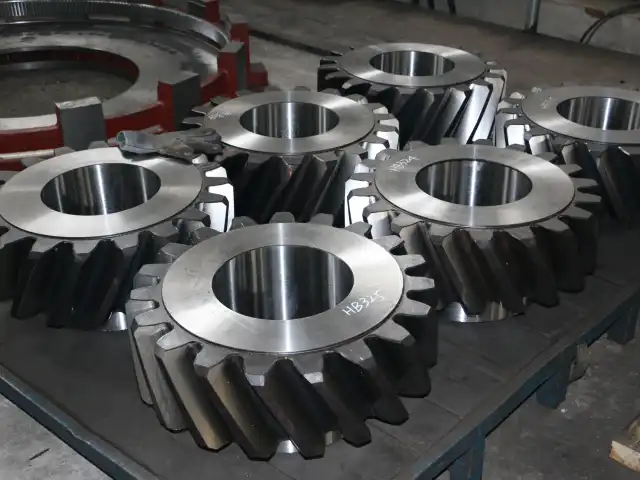
Every part of a helical gearbox is important for moving power, so the whole thing is a complex mechanical assembly. The basic structure is based on helical gears with angled teeth that connect gradually instead of all at once. This makes the operation easier, which is important for high-speed uses.
Core Components That Drive Performance
The gearbox is made up of a helical pinion and a gear wheel. The contact ratio and load spread of these gears are controlled by the teeth's exact helix angles, which are usually between 5° and 45°. The input and output shafts move, rotating energy and controlling the axial thrust forces that the helical tooth shape creates. High-load bearings, which are usually taper roller or spherical roller types, take in both horizontal and axial forces, which keeps them from wearing out too quickly. Oil seals keep the lubricant working properly and keep outside contaminants from getting into the internal parts. The solid housing keeps things in place and protects the environment while getting rid of waste heat.
How Gradual Engagement Solves Industrial Challenges
Because the teeth are slanted, contact starts in one place and spreads across the face of the tooth as it turns. Helical systems are great for places that need to control noise because they connect slowly, which gets rid of the high-pitched noise and shaking that come from straight-cut gears. The bigger contact area lets more power be sent in smaller packages, which is useful for machine tool spindles, compressors, and big gears that don't have a lot of room. When procurement experts know how these parts work together, they can find parts that Helical Gearbox Parts give solid service life while cutting down on repair times.
Comparing Helical Gearbox Parts: Materials, Efficiency, and Durability
The choice of material has a big impact on how long a component lasts and how well it works. In different industrial settings, materials need to have certain qualities that balance cost, power, and resistance to corrosion.
Material Properties and Industrial Applications
Carbon steel, especially 45# steel (AISI 1045), is easy to work with and has a mild hardness that can reach 200–300 HB after being heated. This choice is good for medium-duty jobs with mild loads because it is affordable. For heavy-duty, high-speed situations, alloy steels like 20CrMnTi, 40CrNiMo, AISI 4140, and 18CrNiMo7 work better. These materials are heated and cooled to make the surface hard (58–62 HRC) while keeping a tough, flexible core that can handle shock loads. The controlled metallurgy stops oxidation and makes sure there is no fatigue, which is very important in mine equipment and aircraft uses. Stainless steel versions are better for places that are likely to rust, but they cost more to make. Cast iron is still useful for light-load uses because its damping qualities keep vibrations from spreading.
Efficiency Metrics Versus Alternative Gear Types
Helical gear systems regularly show transfer efficiencies above 98% per stage, which is a lot better than worm gearboxes, which usually only reach 50–90% efficiency. Helical setups are quieter to run than bevel gears because their contact ratios are higher, but both can handle the same amount of weight. The helix angle causes axial thrust, which needs strong bearing systems. However, this trade-off makes power transfer easier, which is important for precision equipment. When procurement teams look at lifetime costs, they see that helical systems are more cost-effective because they use less energy and have lower running costs over many years of service.
How to Choose and Procure the Best Helical Gearbox Parts for Industrial Maintenance
To do effective procurement, you need to carefully look at technical requirements, seller skills, and supply chain factors that affect the overall success of the project.
Critical Technical Specifications
When using the right service factors, which are usually 1.5 or higher for shock-loading situations, torque values must meet or exceed the needs of the application. The speed decrease and torque multiplication traits that are necessary for machinery to work properly are determined by gear ratios. Module specs that range from 0.5 to 50 can be used with a wide range of industrial scales, from fine tools to heavy mining equipment. Helix angles between 15° and 30° combine the benefits of load spread with the needs of managing axial thrust. Precision grades that meet ISO 6 standards make sure that measurements are correct and that the machine runs smoothly. Surface hardness levels—whether they are 45–50 HRC for general use or 58–62 HRC for heavy-duty situations—have a direct effect on how well something resists wear and how long it lasts.
Evaluating Supplier Reliability and Capabilities
Direct makers can make things to order Helical Gearbox Parts, and have the technical know-how that wholesalers might not have. ISO-compliant quality systems show that they have the process control and testing methods that are needed to make sure that part quality is always the same. Vertical integration cuts down on wait times and quality differences by letting manufacturers do things like casting, hobbing, milling, grinding, and heat treatment. Tooth grinding ensures precise finishing, which is important for lowering noise and spreading out the load. Whether it's industrial machinery, mining, or aerospace, procurement workers should check that the seller has experience in the relevant industries. This is because application-specific knowledge keeps specifications from matching up.
Maintenance Tips and Best Practices for Helical Gearbox Parts
Preventative maintenance plans greatly increase the life of parts and keep them from breaking down without warning, which costs a lot and delays production.
Lubrication Strategies for Different Operating Conditions
When you lubricate properly, a film forms between the gear tooth sides. This keeps metal from touching metal, which speeds up wear. When used at high temperatures or speeds, synthetic oils with the right viscosity grades work better than regular lubricants. The best lubricant choice is based on the operating temperature, load strength, and speed. Abrasive particles can't get into the lubricant system because of good closing systems that keep out contamination. By checking the oil regularly, wear debris can be found, which allows condition-based maintenance instead of spontaneous fixes.
Routine Inspection Protocols and Diagnostic Tools
Regular inspections catch early signs of wear and tear before they cause a major failure. Through characteristic frequency patterns, vibration research using accelerometers can find worn-out bearings or damaged gear teeth. Thermography finds hotspots that mean there are problems with the bearings or the lubricant. During planned repair windows, a visual check shows surface pitting, scoring, or discoloration that points to problems with how it works. Using dial indicators to measure backlash confirms the state of the gear mesh and the stability of the mounting. Analysis of the contact pattern shows that the load-bearing area is greater than 70–80% of the tooth face width, which guarantees proper alignment. These diagnostic methods let upkeep choices be based on data, which helps decide when to replace parts most efficiently.
Optimizing Performance and Avoiding Common Pitfalls
When repair and part selection are planned strategically, machine reliability, Helical Gearbox Parts, and running costs go up in a way that can be measured.
Common Maintenance Mistakes to Eliminate
Using low-quality substitute parts hurts the performance of the system and speeds up the wear on components that fit together. When you lubricate more often than the maker recommends, the film thickness isn't thick enough, which damages the surface. Ignoring changes in sound or noise means you have to wait to fix the problem until it's too bad and costs a lot. Installing parts without making sure they are lined up correctly causes stress to build up in certain areas, which shortens the service life. When you mix materials or oils that don't work well together, chemical reactions happen that cause them to break down too soon. When buying teams are aware of these problems, they can set standards that stop mistakes that cost a lot of money.
Actionable Strategies for Extended Component Life
Putting in place condition tracking systems gives you continuous info on performance that lets you plan ahead for maintenance. Upgrading to precision-ground parts cuts down on noise and friction losses while increasing the time between overhauls. By choosing materials that are right for the job, you can avoid over-engineering, which loses money, and under-specification, which leads to a lot of mistakes. Building ties with reliable providers guarantees quick access to expert help and replacement parts. Helical Gearbox Parts won't fail because of mistakes in execution when repair staff are taught the right way to install and adjust them.
Conclusion
To choose the best Helical Gearbox Parts, you need to know a lot about the materials used, how they are made, and how to keep them in good shape. When procurement professionals look at both technical requirements and a supplier's abilities, they set their companies up for operational greatness. The helix angle form makes power transfer smooth and quiet, which is very important in industrial tools, mining, and aerospace. By choosing materials with the right balance of surface hardness and core toughness, you can be sure that parts will last in harsh circumstances. Precision production that meets ISO standards ensures precision and effectiveness in terms of size. Assets last longer when they get regular upkeep that includes proper lubrication, thorough review, and diagnostic tools. Industrial operations can improve their efficiency and cost-effectiveness by avoiding common mistakes and using tried-and-true optimization strategies. This turns purchasing parts from a transactional necessity into a strategic benefit.
FAQ
1. What causes axial thrust in helical gear systems, and how should it be managed?
The helix angle naturally creates pushing forces along the shaft axis when power is being sent. To handle these forces, you need taper roller bearings or spherical roller bearings that are made to handle both horizontal and axial loads. If you choose the right bearings and build the case correctly, the bearings won't fail early, and the shaft won't bend, which would lower the quality of the gear mesh.
2. How do material choices impact component lifespan in harsh environments?
Carburizing alloy steels like 20CrMnTi and AISI 8620 makes the surfaces harder so they don't break down easily and keeps the cores strong so they can handle shock loads. A surface hardness of 58 to 62 HRC greatly increases the service life of mine conveyors that are constantly hit and contaminated. Carbon steel works well in normal situations but runs out faster when it's loaded heavily. This shows that the choice of material has a direct effect on how often it needs to be maintained and how much it costs to replace.
3. Can custom specifications accommodate unique industrial applications?
Advanced makers let you change the number of teeth, the range of modules from 0.5 to 50, the angle of the helix from 5° to 45°, and the amount of sharpness on the surface. This gives purchasing teams the freedom to choose parts that exactly meet the needs of an application, rather than having to settle for what's available in a catalog. Low minimum order numbers make it possible to make just one item as a sample or in case of an emergency. This helps businesses keep production going.
Partner with YIZHI MACHINERY for Premium Helical Gearbox Parts Supply
To find high-performance helical gear components, you need a maker with both technical know-how and solid global logistics. YIZHI MACHINERY makes precision parts that are in line with ISO standards out of high-quality alloy steels like 20CrMnTi, AISI 4140, and 18CrNiMo7 using advanced forging, hobbing, and grinding techniques. With 15 years of production experience, we help clients around the world with their unique needs for industrial tools, mining, and aerospace. Manufacturing methods that include cooling, carburizing, and induction hardening can produce surfaces with hardnesses ranging from 45 to 50 HRC to 58 to 62 HRC, which can be used in a wide range of harsh environments. Our multi-channel logistics, which include sea freight, air transport, and rail options, ensure that arrival times can be controlled. Production lead times of 35 to 60 days support planned repair plans. Real-time tracking lets you see the whole package, and our damage-proof packaging keeps shipping losses to less than 0.1%. Whether you need to make a lot of items or just one, our full customization process starts with talking about your needs and continues through design, cutting, testing, and delivery. We are committed to partnership success by offering expert advice before the sale, keeping you up to date on production at the same time, and offering a one-year warranty. Get in touch with us at sales@yizmachinery.com to talk about your Helical Gearbox Parts needs and find out why top companies choose YIZHI MACHINERY as their main helical gearbox parts provider.
References
1. Dudley, D.W. (2020). Handbook of Practical Gear Design and Manufacture. CRC Press, Boca Raton, Florida.
2. International Organization for Standardization (2019). ISO 1328-1:2013 - Cylindrical Gears - ISO System of Flank Tolerance Classification. Geneva, Switzerland.
3. Radzevich, S.P. (2018). Theory of Gearing: Kinematics, Geometry, and Synthesis. CRC Press, Boca Raton, Florida.
4. American Gear Manufacturers Association (2021). AGMA 2001-D04: Fundamental Rating Factors and Calculation Methods for Involute Spur and Helical Gear Teeth. Alexandria, Virginia.
5. Stadtfeld, H.J. (2019). Advanced Gear Engineering: Manufacturing and Heat Treatment Techniques. Machinery's Handbook, Industrial Press, New York.
6. Budynas, R.G. and Nisbett, J.K. (2020). Shigley's Mechanical Engineering Design, 11th Edition. McGraw-Hill Education, New York.

USER EVALUATE
Here is the customer's evaluation of us