


Industrial Gearbox Uses in Manufacturing
Power transfer systems that work well are needed to keep production lines going at factories all over the world. The Industrial Reduction Gearbox is an imperative piece of apparatus that changes the yield of a high-speed engine into the correct control and speed combinations that huge apparatus, transports, blenders, and preparing machines require. By reducing the speed of turn whereas expanding torque at the same time, these gearboxes make it conceivable for engines to control requesting assignments that would otherwise require illogically enormous or costly prime movers. This makes them a fundamental portion of advanced production.
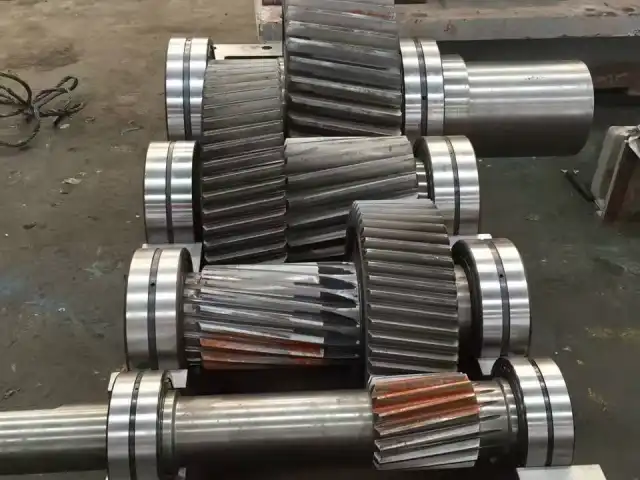
Understanding Industrial Reduction Gearboxes in Manufacturing
There is a basic difference between what electric motors naturally provide and what industrial equipment actually needs. This is what an Industrial Reduction Gearbox fixes. Standard acceptance engines as a rule run at speeds between 1400 and 3000 insurgencies per diminutive. In any case, most mechanical forms require much slower, more controlled development with a part of drive. This is why adapt diminishment innovation is so important.
How Reduction Gearboxes Work
Gearboxes operate by meshing gears of different sizes, where a smaller input gear drives a larger output gear, reducing speed while increasing torque. Based on energy conservation, torque rises as speed decreases, minus efficiency losses. A typical Industrial Reduction Gearbox with 96% effectiveness can diminish 1500 RPM to 150 RPM whereas duplicating torque about ten times. This change underpins applications like transports requiring tall beginning torque, blenders requiring unfaltering turn, and machine devices requesting exact speed control.
Critical Manufacturing Applications
An Industrial Reduction Gearbox supports diverse industrial operations. Car gathering employments planetary gearboxes for automated exactness, whereas transports depend on helical units for smooth item stream. Overwhelming businesses like steel rolling utilize bevel-helical frameworks to handle extraordinary loads. Mining applications request rough gearboxes with tall benefit variables to withstand stun and rough situations. In water treatment, vertical gearboxes back long fomenter shafts beneath a continuous stack. These changed employments highlight the gearbox’s part in empowering productivity, toughness, and exactness in challenging conditions.
Key Types and Technical Features of Industrial Reduction Gearboxes
To select the right gearbox setup, you require to know how distinctive sorts work in diverse fabricating circumstances. The benefits of each sort are distinctive and depend on the needs of the business.
Helical Gearboxes
Helical gearboxes feature angled teeth that engage gradually, providing smooth, quiet operation and high efficiency (94–98%). This makes them ideal for continuous-duty applications where energy savings matter. Reduced vibration extends bearing life and lowers maintenance needs. In an Industrial Reduction Gearbox, high-quality materials and heat treatment processes enhance durability, ensuring resistance to wear and long service intervals in demanding manufacturing environments.
Planetary Gearbox Systems
Planetary gearboxes distribute load across multiple gears, achieving high torque density in compact designs. This configuration balances forces, reducing bearing stress and increasing lifespan. With efficiency near 97%, a planetary Industrial Reduction Gearbox suits applications requiring precision and high intermittent torque, such as robotics and machine tools. Low backlash ensures accurate positioning, essential for advanced manufacturing processes.
Worm Gear Reduction Units
Worm gearboxes provide high reduction ratios in a single stage and offer self-locking capability, preventing reverse movement in vertical or inclined systems. This makes them reasonable for lifts and transports where security is basic. Be that as it may, lower effectiveness (50–90%) due to sliding contact requires cautious warm administration. An Industrial Reduction Gearbox of this type must ensure proper lubrication and cooling to maintain reliability.
Technical Specifications That Matter
Key specifications—gear module, weight point, hardness, and fabricating accuracy—directly influence execution. Exactness machining and warm treatment move forward solidness and proficiency. Surface medications improve erosion resistance in unforgiving situations. Selecting the right parameters ensures an Industrial Reduction Gearbox meets application demands, reducing wear, minimizing vibration, and lowering total ownership costs through improved reliability.
Maintenance and Troubleshooting for Industrial Reduction Gearboxes
To reach their full benefit life potential, indeed the hardest gearbox sorts require standard upkeep. Startling downtime is not an alternative for fabricating companies, so preventative repair plans are essential to keep generation schedules.
Routine Inspection Protocols
Regular reviews offer assistance distinguish early issues like spills, free jolts, or anomalous clamor. Vibration checking distinguishes misalignment or bearing deficiencies some time recently disappointment. Oil investigation uncovers inside wear through defilement or metal particles Maintaining an Industrial Reduction Gearbox with proactive inspections reduces downtime and prevents costly breakdowns, ensuring consistent production performance.
Lubrication Management
Proper oil is basic to gearbox execution. Inadequately or debased oil increments contact, warm, and wear, whereas defilement quickens harm. Grease plans ought to coordinate working conditions and environment. For an Industrial Reduction Gearbox, monitoring oil quality and adjusting intervals based on analysis ensures optimal protection and extended service life.
Common Issues and Solutions
Overheating, noise, and seal failure are common gearbox issues. Causes include overload, poor lubrication, or inadequate cooling. Diagnosing noise patterns helps identify gear or bearing faults. Seal failures allow contamination and oil loss, reducing reliability. Addressing these issues promptly ensures the Industrial Reduction Gearbox operates efficiently and avoids unplanned downtime.
How to Choose the Right Industrial Reduction Gearbox for Your Manufacturing Needs
When making procurement choices, you have to balance technology needs with business needs to get the best overall value. A methodical evaluation process makes sure that the chosen Industrial Reduction Gearbox meets practical needs and has good term economics.
Technical Requirements Assessment
Selecting the right gearbox begins with load and duty cycle analysis. Environmental factors like temperature and contamination influence material and sealing choices. Matching these conditions ensures the Industrial Reduction Gearbox performs reliably. Proper evaluation prevents overdesign or premature failure, optimizing both performance and cost.
Supplier Evaluation Criteria
Supplier capabilities—production capacity, customization, and quality control—impact long-term success. Reliable manufacturers provide precision testing, engineering support, and consistent delivery. Choosing a qualified supplier ensures the Industrial Reduction Gearbox meets exact specifications and maintains performance throughout its lifecycle.
Commercial Considerations
Procurement decisions must balance cost, warranty, and support services. Flexible order quantities and strong technical assistance add value. Logistics and packaging affect delivery reliability. A well-supported Industrial Reduction Gearbox reduces risks, improves installation success, and ensures smooth operation over time.
Future Trends and Innovations in Industrial Gearboxes
Manufacturing technology is always changing, which leads to new gearbox designs that work better, last longer, and have less of an impact on the environment. Learning about new trends helps buying teams get ready for the needs of the next generation and check to see if suppliers can meet long-term needs.
Advanced Materials and Coatings
Material science developments enable stronger, lighter components with extended service life. New discoveries in material science make parts stronger, lighter, and able to last longer. Advanced steel alloys, such as 18CrNiMo7 and AISI8620, are better at resisting wear when loaded and unloaded many times. Surface engineering methods put down hard coverings that lower wear and friction without lowering the hardness of the core. These new technologies make it possible for higher torque densities, which lets designs be smaller or allow for more capability within current limits.Synthetic lubricants extend service intervals and improve efficiency across wider temperature ranges. Synthetic oils improve performance across a wider temperature range and increase the time between repair visits. Biodegradable formulations are better for the environment when there is a chance that leaks could pollute land or water. Solid lubricant technologies look good for harsh settings where regular oils break down or where contamination worries keep liquid lubricants from being used.
Smart Monitoring Integration
Industry 4.0 concepts bring connectivity and intelligence to traditionally mechanical systems. The ideas behind Industry 4.0 make systems that are usually mechanical smarter and more connected. In real time, embedded sensors check the load, temperature, pressure, and oil state. Pattern recognition in data analytics platforms finds problems that are starting to happen, allowing for proactive maintenance plans to be used instead of reactive fix methods. This change cuts down on unexpected downtime and makes the best use of repair resources.Integration with plant control systems enables performance optimization and energy management. Integration with plant control systems lets you monitor energy use and improve efficiency. Monitoring of the gearbox and variable speed drives change the working settings to find the best balance between output and economy. Digital twins let you see how equipment works in different situations, which helps you improve designs and fix problems without stopping production.
Sustainability and Efficiency
Environmental considerations increasingly influence design priorities. Configurations that use less energy lower running costs and help companies meet their environmental goals. Better materials and care methods that make things last longer mean that they don't need to be replaced as often, which saves money and time. Through remanufacturing programs, used units can be turned back into useful products while removing materials from trash streams.These trends reshape competitive dynamics within the gearbox supply base. When manufacturers engage in new skills, they get an edge in demanding markets and customer groups that want to move forward. Performance-driven procurement organizations are putting pressure on those who stick to standard methods by looking for measured ways to lower the total cost of ownership.
Conclusion
Industrial reduction gearboxes are still an important part of manufacturing because they allow precise power transfer that is needed in a wide range of situations, from heavy mining equipment to robots. Knowing the basic features, how to choose the right ones, and upkeep needs for these important parts will make sure they work reliably for as long as they're used. As factories become more automated, connected, and environmentally friendly, gearbox technology also improves, giving factories the tools they need to meet the needs of the next generation. Partnering with experienced suppliers who offer both high-quality manufacturing and full technical support sets businesses up for success in global markets that are becoming more and more competitive.
FAQ
1. What are the main advantages of using reduction gearboxes in manufacturing?
By changing the output of a high-speed motor into the lower speeds and higher torques that most industrial processes need, Industrial Reduction Gearboxes solve important practical problems. This change makes it possible for motors of the right size to drive big machinery efficiently while letting the speed be precisely controlled. Quality gears are 94–98% efficient, which means they waste as little energy as possible when they're running all the time. Their mechanical advantage makes motors work less hard, which extends the life of tools and lowers the cost of upkeep.
2. How do I determine the correct gearbox ratio for my application?
Divide the motor speed by the minimum output speed to get the ratio. Think about how much torque the load needs and make sure that the output torque of the gearbox (motor torque times ratio and efficiency) is higher than what the application needs with the right service factor. Environmental conditions, job cycle, and mounting setup are some of the other factors that affect choice. To make the best decisions, it's helpful to talk to experienced providers.
3. What maintenance practices extend gearbox service life?
Most early breakdowns can be avoided by checking the oil level regularly and changing the lubricant as needed based on the working conditions. Listen for strange noises, vibrations, or temperature rises that could mean problems are starting to form. Check the fixing bolts for the right amount of pressure and the seals for leaks. In important applications, use oil analysis tools to find wear metals and contamination before they cause damage. This way, you can take preventative action instead of making repairs after the fact.
Partner with YIZHI MACHINERY for Custom Gearbox Solutions
Manufacturing operations demand reliable power transmission partners who understand both technical requirements and commercial realities. For 15 years, YIZHI MACHINERY has been making precision gearboxes from premium materials including 20CrMnTi, 42CrMo, and AISI4140 steel. Our production capabilities span forging, precision grinding, and advanced heat treatment, delivering ISO 5-6 grade accuracy with surface hardness reaching 58-62 HRC. As a trusted Industrial Reduction Gearbox supplier, we support industrial machinery, mining, and aerospace applications with customized solutions engineered to your exact specifications. Our streamlined process covers requirement consultation through design, production, quality inspection, and global logistics with real-time tracking. Benefit from our one-year warranty and responsive technical support throughout your equipment lifecycle. Contact our team at sales@yizmachinery.com to discuss how our custom gearbox solutions can optimize your manufacturing operations.
References
1. American Gear Manufacturers Association. (2020). AGMA 2001-D04: Fundamental Rating Factors and Calculation Methods for Involute Spur and Helical Gear Teeth. Alexandria: AGMA Publications.
2. Budynas, R.G. & Nisbett, J.K. (2019). Shigley's Mechanical Engineering Design, 11th Edition. New York: McGraw-Hill Education.
3. Deutsches Institut für Normung. (2019). DIN 3990: Calculation of Load Capacity of Cylindrical Gears. Berlin: Beuth Verlag.
4. International Organization for Standardization. (2019). ISO 6336: Calculation of Load Capacity of Spur and Helical Gears. Geneva: ISO Publications.
5. Kleiss, R.E. (2018). Industrial Gear Manufacturing: Processes, Materials, and Quality Assurance. Munich: Hanser Publications.
6. Stadtfeld, H.J. (2021). Advanced Gear Engineering: Manufacturing and Testing Strategies for Optimal Performance. Warrendale: SAE International.

USER EVALUATE
Here is the customer's evaluation of us